Calathea
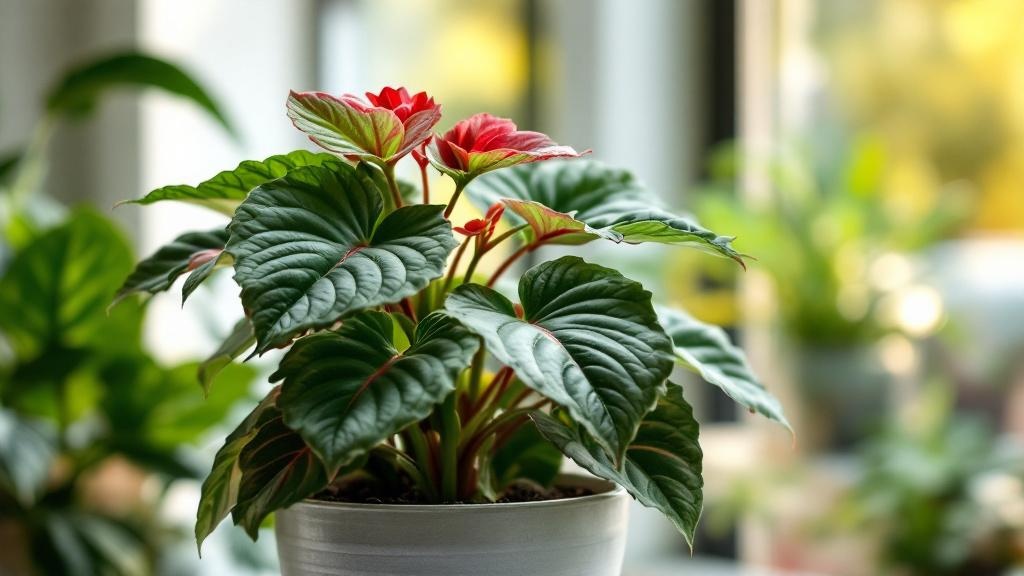
Calathea captivates plant lovers with striking patterned leaves and an almost magical habit of folding and unfolding with the day-night cycle. While these tropical beauties demand consistent care—especially humidity and filtered light—they reward attentive gardeners with lush, colorful foliage. If you've struggled keeping Calathea happy, understanding its moisture and light needs is the key to success.
Watering Your Calathea
Calathea prefers consistently moist soil during the growing season (April to September), requiring watering every 5-7 days depending on humidity and pot size. In winter months, reduce frequency to every 7-10 days while the plant rests. Always use room-temperature, filtered or distilled water—chlorine and minerals in tap water often cause brown leaf tips. Allow the top half-inch of soil to dry slightly between waterings, but never let the pot dry out completely.
Light Requirements for Calathea
Calathea thrives in bright, indirect light, ideally positioned near an east or north-facing window where it receives filtered sunshine. Direct afternoon sun bleaches the decorative leaf patterns and causes scorching, so keep it shielded by sheer curtains or place it 2-3 feet away from south-facing windows. In winter, when daylight is limited in temperate zones (November–January), you can move it slightly closer to a light source or supplement with a grow light if leaves become dull.
Soil and Repotting
Use a loose, peat-based potting mix enriched with perlite or orchid bark to ensure excellent drainage while retaining moisture. Repot Calathea every 18-24 months in spring (late March to April), moving up only one pot size—these plants prefer snug containers. When repotting, gently loosen the root ball and water thoroughly after settling into fresh soil to reduce transplant stress.
Temperature and Humidity
Calathea is sensitive to cold and prefers consistent temperatures between 65-75°F (18-24°C); avoid exposure below 60°F and keep it away from heating vents and drafts. Humidity is critical—aim for 50% or higher by misting leaves every 2-3 days, setting the pot on a pebble tray filled with water, or grouping plants together to create a humid microclimate. In central European winters when indoor air becomes dry, regular misting or a small humidifier prevents brown leaf edges.
Feeding Your Calathea
Feed every 4-6 weeks during the growing season (April to August) with a diluted, balanced liquid fertilizer (such as 10-10-10 NPK) at half strength to avoid salt buildup. Skip feeding during fall and winter when growth slows naturally. Calathea is sensitive to over-fertilizing, which causes leaf burn and brown tips, so when in doubt, feed less frequently.
Common Problems and Solutions
Brown or crispy leaf edges are the most common issue, caused by low humidity, chlorine in tap water, or inconsistent watering—switch to distilled water and mist regularly to resolve this. Spider mites occasionally infest Calathea indoors, especially in dry conditions; spray affected leaves with insecticidal soap every 5-7 days until clear. Yellowing leaves indicate overwatering or poor drainage; allow soil to dry slightly and check drainage holes are not blocked.
Frequently asked questions
How often should I water my Calathea?
Water every 5-7 days during spring and summer, keeping soil moist but not waterlogged, and reduce to every 7-10 days in autumn and winter. Use filtered or distilled water at room temperature to prevent brown leaf tips caused by chlorine and minerals.
Why does my Calathea have brown leaf tips?
Brown tips are usually caused by low humidity, chlorine in tap water, or inconsistent watering. Switch to distilled water, mist leaves every 2-3 days, and maintain steady soil moisture to improve leaf quality.
Can I put my Calathea in direct sunlight?
No, direct sunlight bleaches Calathea's beautiful leaf patterns and causes scorching. Instead, place it in bright, filtered indirect light near an east or north-facing window, or 2-3 feet away from sunny south-facing windows.
Is Calathea toxic to cats and dogs?
No, Calathea is completely non-toxic to cats, dogs, and other pets, making it a safe choice for homes with animals. You can place it anywhere without worry about accidental ingestion.
What is the best temperature range for Calathea?
Calathea prefers consistent warmth between 65-75°F (18-24°C) and dislikes cold drafts or temperatures below 60°F. Avoid placing it near heaters, air conditioning vents, or windows in winter when exposed to cold glass.
🩺 Common diseases and pests
These problems commonly affect this plant. Click any to see full symptom descriptions, organic and chemical treatment, and prevention.