Sessile Oak
The Sessile Oak is one of Europe's most iconic native trees, living for centuries and growing to impressive heights of 20-40 meters. Home gardeners most often search for guidance on whether their garden is suitable for this magnificent tree and how to care for young specimens during establishment. While mature oaks are virtually self-sufficient, getting a sapling through its first five years requires attention to soil moisture, protection from browsing animals, and proper planting technique.
Watering Your Sessile Oak
Young Sessile Oaks need consistent moisture during their first three to five years. Water deeply once per week from April through September, providing 10-15 liters per session. Reduce to every two weeks during mild autumn weather. Established trees over five years old rarely need supplemental watering except during severe summer droughts lasting more than four weeks.
Light Requirements for Sessile Oak
Sessile Oaks thrive in full sun but tolerate partial shade, especially when young. In temperate gardens, plant in a location receiving at least six hours of direct sunlight daily for optimal growth. Young trees actually benefit from light afternoon shade during hot July and August periods, which reduces transplant stress.
Soil and Planting Guidelines
Plant Sessile Oaks in deep, well-drained soil with a slightly acidic to neutral pH of 5.5 to 7.0. Avoid waterlogged clay or shallow chalky soils where roots cannot penetrate deeply. The best planting window is November through early March while dormant. Dig a hole twice the root ball width, backfill with native soil, and mulch with 8-10 centimeters of bark chips keeping it away from the trunk.
Temperature and Climate Considerations
Sessile Oaks are exceptionally hardy throughout USDA zones 5-8 and tolerate winter temperatures down to minus 25 degrees Celsius. Late spring frosts in April or early May can damage new growth, but trees recover quickly. No winter protection is needed for established specimens. In exposed sites, young trees benefit from a windbreak during their first two winters.
Fertilizing Sessile Oaks
Mature Sessile Oaks need no fertilizer as their extensive root systems access nutrients efficiently. Young trees benefit from a single spring application of balanced slow-release fertilizer in late March or early April during their first three years. Apply according to package directions in a ring around the drip line. Avoid high-nitrogen feeds which promote weak, pest-susceptible growth.
Common Sessile Oak Problems
Oak powdery mildew appears as white coating on leaves during humid summers, particularly in August and September, but rarely harms established trees. Oak processionary moth caterpillars are an increasing concern in Central Europe and southern UK, causing defoliation and skin irritation to humans. Acute oak decline causes stem bleeding and canopy dieback. Contact a certified arborist if you notice dark fluid weeping from bark cracks.
Frequently asked questions
How fast does a Sessile Oak grow?
Sessile Oaks grow approximately 30-60 centimeters per year when young and healthy. Growth rate slows considerably after 50 years as the tree matures. A 10-year-old specimen typically reaches 4-6 meters in height under good conditions.
How big does a Sessile Oak get?
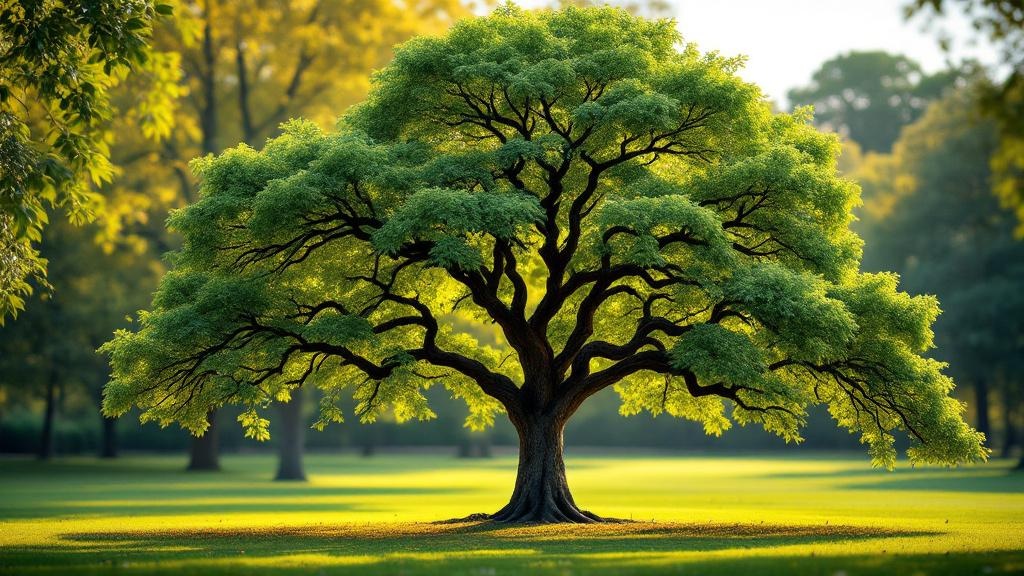
Mature Sessile Oaks reach 20-40 meters tall with a crown spread of 15-25 meters. This makes them suitable only for large gardens with space well away from buildings and boundaries. Allow at least 15 meters from structures when planting.
Can I grow a Sessile Oak from an acorn?
Yes, growing from acorns is straightforward and rewarding. Collect ripe acorns in late September or October, float-test to remove hollow ones, and plant immediately 5 centimeters deep in pots of gritty compost. Overwinter outdoors and expect germination by April.
Why are my oak tree leaves turning brown in summer?
Brown summer leaves usually indicate drought stress, oak wilt disease, or bacterial leaf scorch. Check soil moisture first and water deeply if dry beyond 10 centimeters. Persistent browning despite adequate water warrants inspection by an arborist to rule out disease.
When should I prune a Sessile Oak?
Prune Sessile Oaks during full dormancy between November and February to minimize disease risk and sap bleeding. Remove only dead, damaged, or crossing branches. Avoid pruning during April through August when oak bark beetles are active and wounds attract disease-carrying insects.