Siberian Bugloss
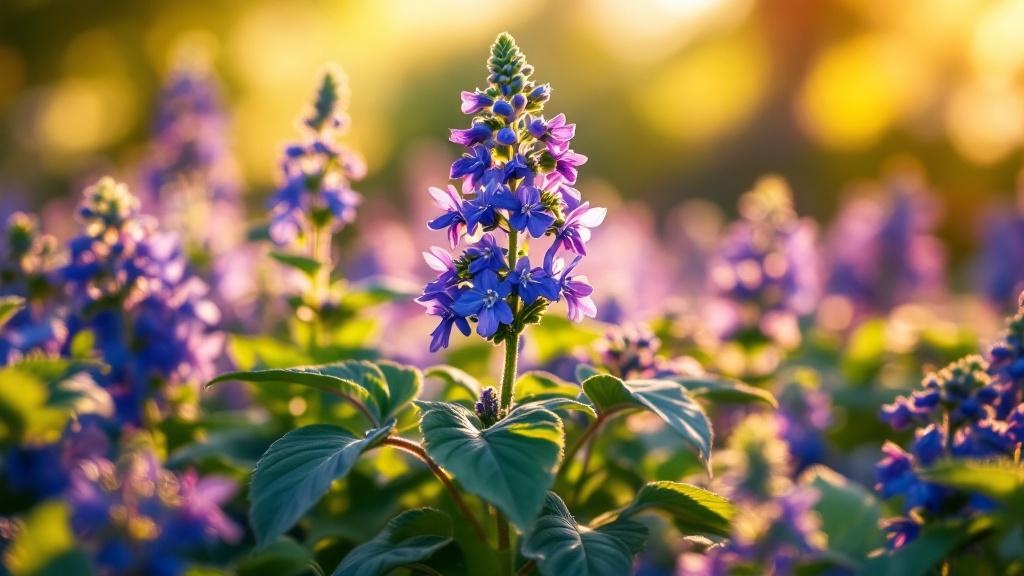
Siberian Bugloss is one of the most reliable shade perennials for temperate gardens, producing clouds of tiny forget-me-not-like blue flowers from mid-April through May. Gardeners most often search for help with its leaf scorching in summer sun and wonder why their Brunnera's silver-variegated foliage is turning brown. This woodland native from the Caucasus Mountains adapts beautifully to shady borders, under deciduous trees, and north-facing garden beds where other flowering plants struggle.
Watering Your Siberian Bugloss
Keep soil consistently moist but never waterlogged, watering deeply every 5-7 days during summer dry spells. In spring and autumn, rainfall typically provides adequate moisture in temperate climates. Mulch around plants in late April to retain soil moisture through summer. Variegated cultivars like Jack Frost are more sensitive to drought and need extra attention during July and August heat.
Light Requirements for Brunnera
Siberian Bugloss performs best in partial to full shade, receiving 2-4 hours of morning sun at most. In Northern US and UK gardens, dappled light under deciduous trees mimics its natural woodland habitat perfectly. Avoid afternoon sun exposure, especially from May through August, as this causes leaf scorch and browning on silver-leaved varieties. Plants in deeper shade produce fewer flowers but maintain better foliage quality.
Soil and Repotting Needs
Plant Brunnera in humus-rich, moisture-retentive soil amended with plenty of compost or well-rotted leaf mold. Ideal soil pH ranges from 6.0 to 7.0. Space plants 40-50 cm apart in early spring (March-April) or autumn (September-October). Division every 3-4 years in early spring rejuvenates clumps and provides new plants, though established specimens resent disturbance.
Temperature and Humidity Preferences
Siberian Bugloss is exceptionally cold-hardy, tolerating winter temperatures down to minus 30°C without protection. It thrives in the cool, humid conditions typical of UK and Northern European summers. Plants may go semi-dormant during hot, dry August weather, with foliage declining before fresh growth emerges in September. No winter protection is needed in zones 5-8.
Fertilizing Siberian Bugloss
Apply a 5 cm layer of compost or well-rotted manure around plants in early March as growth begins. A balanced slow-release fertilizer (10-10-10) can supplement poor soils in mid-spring. Avoid high-nitrogen feeds which promote weak, leggy growth at the expense of flowers. Established plants in good garden soil rarely need additional fertilization.
Common Problems and Solutions
Leaf scorch appears as brown, crispy leaf edges when plants receive too much sun or insufficient water during summer. Slugs and snails are the primary pests in temperate gardens, particularly damaging young spring growth in April and May. Apply organic slug pellets or use beer traps starting in late March. Powdery mildew occasionally affects stressed plants in late summer but is primarily cosmetic.
Frequently asked questions
How often should I water Siberian Bugloss?
Water Siberian Bugloss deeply once per week during dry summer periods, keeping soil consistently moist but not soggy. In spring and autumn, natural rainfall usually suffices in temperate climates. Increase watering frequency during heat waves in July and August, especially for silver-leaved varieties.
Why are my Brunnera leaves turning brown?
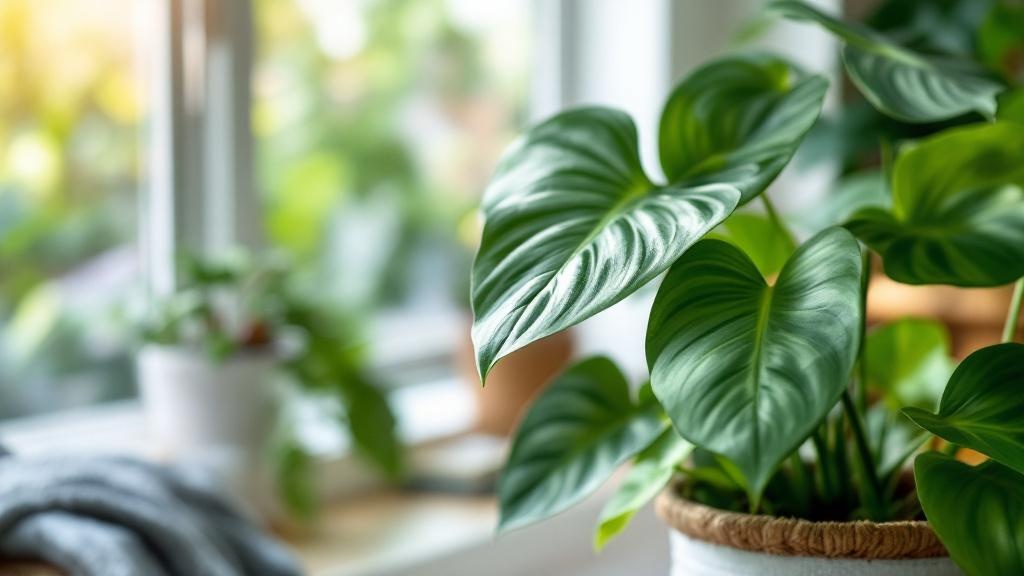
Brown leaves on Brunnera typically indicate sun scorch or drought stress during summer months. Move plants to a shadier location or increase watering during dry spells. Silver-variegated cultivars are especially prone to browning when exposed to afternoon sun or inconsistent moisture.
When does Siberian Bugloss bloom?
Siberian Bugloss blooms from mid-April through late May in temperate climates, producing sprays of small blue flowers resembling forget-me-nots. Flowers appear before the foliage fully develops, creating a lovely spring display. Deadheading spent blooms prevents self-seeding and keeps plants tidy.
Is Siberian Bugloss toxic to cats?
Siberian Bugloss is not toxic to cats or dogs and is considered a pet-safe garden plant. Neither the leaves nor flowers contain compounds harmful to pets if ingested. This makes it an excellent choice for gardens where pets roam freely.
Can Brunnera grow in full shade?
Yes, Brunnera thrives in full shade and is one of the best flowering perennials for deeply shaded areas. Plants in full shade produce fewer flowers but maintain superior foliage quality throughout summer. It performs excellently under mature trees, on north-facing borders, and in woodland garden settings.