Kohlrabi
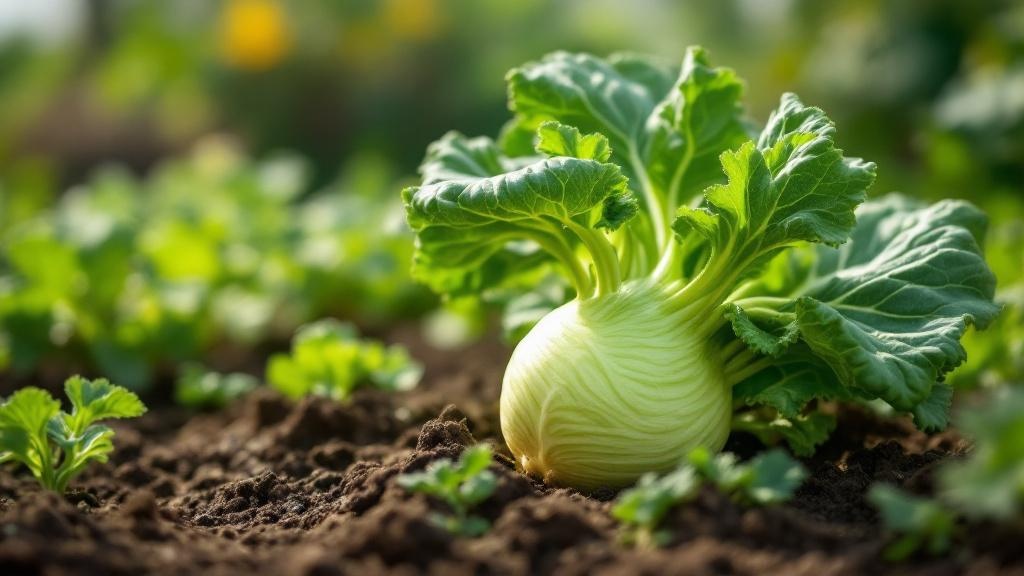
Kohlrabi deserves a spot in every home garden — it grows quickly, tolerates light frost, and delivers a mild, slightly sweet flavor somewhere between cabbage and turnip. The most common question gardeners ask is when to harvest kohlrabi before it turns woody. The answer is simple: pick when bulbs reach tennis-ball size, typically 6-8 cm across. This underrated vegetable thrives in temperate climates and rewards beginners with reliable harvests.
Watering Kohlrabi for Tender, Crack-Free Bulbs
Keep soil consistently moist but never waterlogged, watering every 3-5 days depending on rainfall. Irregular watering causes bulbs to crack or become woody and fibrous. Mulch around plants with straw in late May to retain moisture during warmer spells. Morning watering helps leaves dry before evening, reducing fungal disease risk.
Light Requirements for Healthy Kohlrabi Growth
Kohlrabi needs full sun — at least 6 hours of direct light daily for proper bulb development. In partial shade, plants produce more leaves and smaller, slower-developing bulbs. Position rows running north-south to maximize light exposure. Some afternoon shade in July can help prevent bolting during unexpected heat waves.
Soil Preparation and Transplanting
Plant kohlrabi in rich, well-draining soil with a pH between 6.0 and 7.5. Work in 5-7 cm of compost before planting in early April or mid-August for autumn crops. Space seedlings 15-20 cm apart in rows 30 cm apart. Transplant seedlings when they have 3-4 true leaves, setting them slightly deeper than they grew in pots.
Temperature and Seasonal Timing
Kohlrabi thrives in cool weather between 10-21°C and tolerates light frost down to -5°C. Sow seeds indoors in early March for transplanting in April, or direct sow in August for autumn harvest. Hot weather above 25°C causes bulbs to become woody and may trigger bolting. Autumn crops often taste sweeter as light frost concentrates sugars in the bulbs.
Fertilizing for Fast, Healthy Growth
Apply a balanced vegetable fertilizer (10-10-10) at planting, using about 30g per square meter worked into the soil. Side-dress with nitrogen-rich fertilizer three weeks after transplanting to fuel rapid leaf growth. Avoid over-fertilizing, which produces lush foliage but delays bulb formation. Compost tea applied every two weeks provides gentle, steady nutrition.
Common Kohlrabi Problems and Solutions
Cabbage root fly is the main pest in temperate regions — cover seedlings with fine mesh netting immediately after transplanting in April. Flea beetles create small holes in leaves during warm, dry spells; treat with diatomaceous earth or floating row covers. Clubroot causes stunted growth and wilting; prevent by rotating brassicas and maintaining soil pH above 7.0. Woody, fibrous bulbs result from delayed harvest or inconsistent watering.
Frequently asked questions
When should I harvest kohlrabi?
Harvest kohlrabi when bulbs reach 6-8 cm in diameter, typically 55-70 days after transplanting. Smaller bulbs are more tender and sweet. Check daily once bulbs start swelling, as they can quickly become woody if left too long, especially in warm weather.
Why is my kohlrabi woody and tough?
Woody kohlrabi results from harvesting too late or growing in temperatures above 25°C. Inconsistent watering also causes tough, fibrous texture. For best results, harvest promptly at tennis-ball size and maintain even soil moisture throughout the growing period.
Can I eat kohlrabi leaves?
Yes, kohlrabi leaves are completely edible and nutritious. Young leaves can be eaten raw in salads, while mature leaves are excellent sautéed like kale or added to soups. Harvest outer leaves sparingly to avoid slowing bulb development.
Why is my kohlrabi not forming bulbs?
Poor bulb formation usually indicates insufficient sunlight, overcrowding, or nitrogen deficiency. Plants need at least 6 hours of direct sun and 15-20 cm spacing. Check that temperatures remain below 25°C, as heat stress also inhibits bulb development.
Is kohlrabi a perennial or annual?
Kohlrabi is a biennial grown as an annual, meaning it completes its useful harvest cycle in one season. If left unharvested through winter, it will flower and set seed the following spring, but the bulb becomes inedible. Plant fresh each spring and autumn for continuous harvests.
🩺 Common diseases and pests
These problems commonly affect this plant. Click any to see full symptom descriptions, organic and chemical treatment, and prevention.