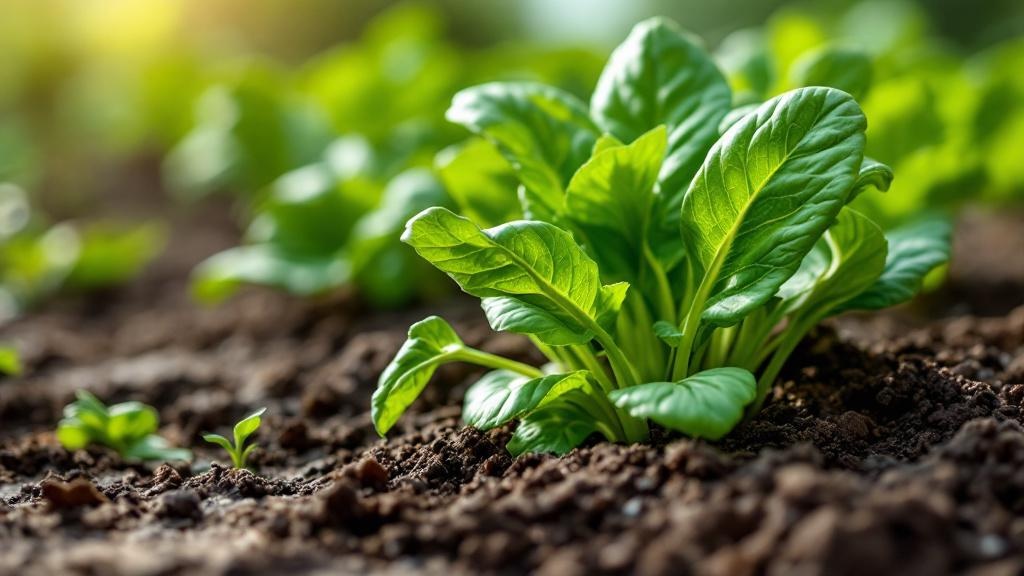
Tarragon
Tarragon is an essential culinary herb that brings sophisticated anise notes to sauces, vinegars, and French cuisine. Many home gardeners struggle with overwatering or poor drainage, which causes root rot. This plant thrives in well-drained soil and moderate moisture, rewarding you with tender shoots from spring through autumn if given proper care and annual renewal.
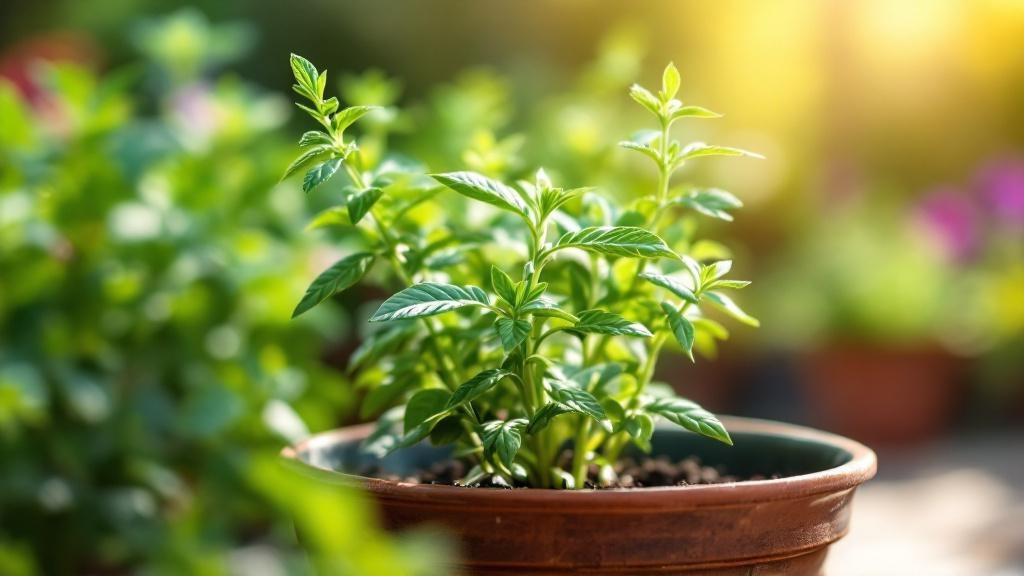
Watering Your Tarragon
Water tarragon deeply but allow soil to dry slightly between waterings—aim for every 7-10 days during the growing season from April to October. In temperate climates, reduce watering frequency significantly from November onwards; dormant plants need only occasional moisture to prevent complete desiccation. Overwatering is the primary killer of tarragon, as wet roots invite fungal diseases and rot. Check soil moisture by pressing your finger 2 cm into the compost; water only if dry at that depth.
Light Requirements for Tarragon
Tarragon demands full sun to thrive—at least 6 hours of direct sunlight daily, ideally 8 hours or more. In temperate climates, position plants on south-facing windowsills or in open garden beds without afternoon shade from trees or structures. Insufficient light results in weak, leggy growth and diminished flavor intensity in the leaves. If growing indoors during winter months, provide supplemental grow lights to maintain productivity.
Soil & Repotting
Plant tarragon in well-drained, sandy loam with pH 6.8-7.5 (slightly alkaline). Heavy clay soils must be amended with horticultural sand, perlite, or compost at a 1:3 ratio to improve drainage. In containers, use a quality herb compost mixed with added perlite for optimal aeration. Repot in early spring (March-April) when new growth emerges; tarragon doesn't require large pots—8-10 inch containers are sufficient for 2-3 years before root-bound conditions develop.
Temperature & Humidity
Tarragon is hardy to approximately -10°C and thrives in the 15-25°C range typical of temperate climates. It naturally goes dormant in late autumn and winter, dying back to ground level—this is normal and healthy. Avoid exposing young plants to prolonged frost without established roots; transplant in late April after risk of hard frost (below -5°C) has passed. Humidity is not critical, though adequate air circulation prevents fungal issues like powdery mildew in humid summers.
Fertilizing Tarragon
Tarragon is a moderate feeder and rarely requires heavy fertilization when grown in nutrient-rich soil. Apply a balanced, diluted liquid fertilizer (half-strength) every 4-6 weeks during the growing season (May through August). Avoid high-nitrogen feeds, which promote foliage at the expense of essential oil development and flavor concentration. In autumn, cease fertilizing to allow plants to harden off for winter dormancy.
Common Problems & Solutions
Root rot from overwatering is the most common issue—stems blacken at the base and plants collapse; prevent by ensuring sharp drainage and moderate watering. Powdery mildew may appear in humid summers (June-August); improve airflow and remove affected leaves, or spray with sulfur-based fungicide if infection is severe. Slugs and aphids occasionally attack young growth in spring; hand-pick slugs or use beer traps, and spray aphids with dilute insecticidal soap.
Frequently asked questions
How often should I water tarragon?
Water tarragon every 7-10 days during the growing season, keeping soil lightly moist but not waterlogged. Always allow the top 2 cm of soil to dry between waterings, and reduce frequency significantly in winter when the plant is dormant.
When can I harvest tarragon leaves?
Begin light harvesting in late May once plants are established, pinching off stem tips to encourage bushiness. Heavy harvesting is safe from June through September; cut stems above a leaf node to promote branching. Stop harvesting by late September to allow plants to build energy reserves for winter.
Why is my tarragon plant dying?
The most common cause is overwatering leading to root rot—check for soft, black stems at the base. Tarragon also dislikes cold, wet conditions; ensure excellent drainage and consider moving plants to a sheltered location if exposed to prolonged frost combined with wet soil.
Is tarragon perennial in temperate climates?
Yes, tarragon is a hardy perennial that returns each spring in USDA zones 5-8 (temperate regions). In late autumn, cut plants back to 5 cm above soil level, and they will regrow vigorously in April once soil temperatures reach 10°C.
Can I grow tarragon indoors in a pot?
Yes, tarragon grows well in 8-10 inch pots indoors with at least 6 hours of direct sunlight daily. Place pots on south-facing windowsills during winter, or supplement with grow lights; note that indoor plants may produce less vigorously than garden-grown plants.