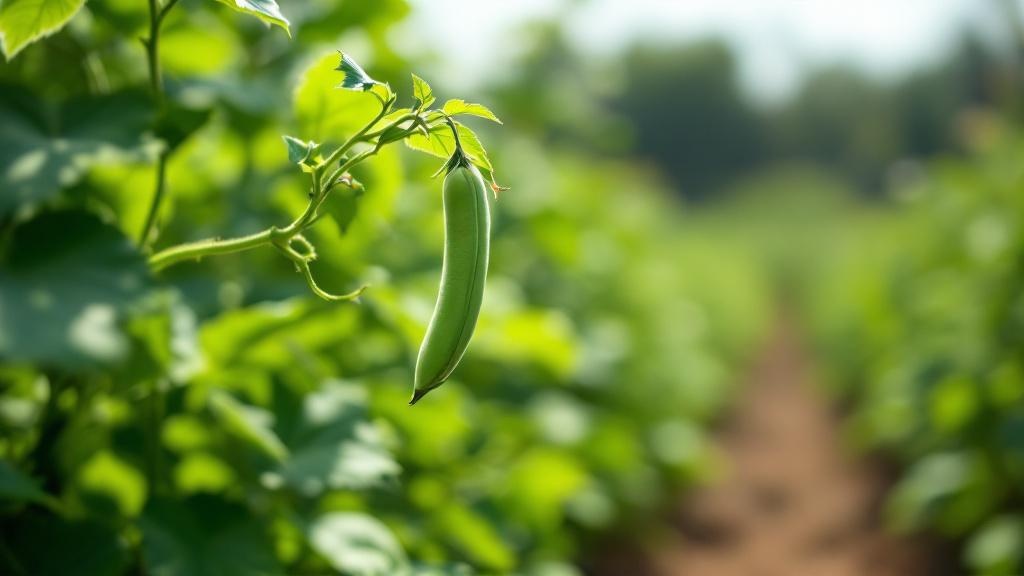
Lovage
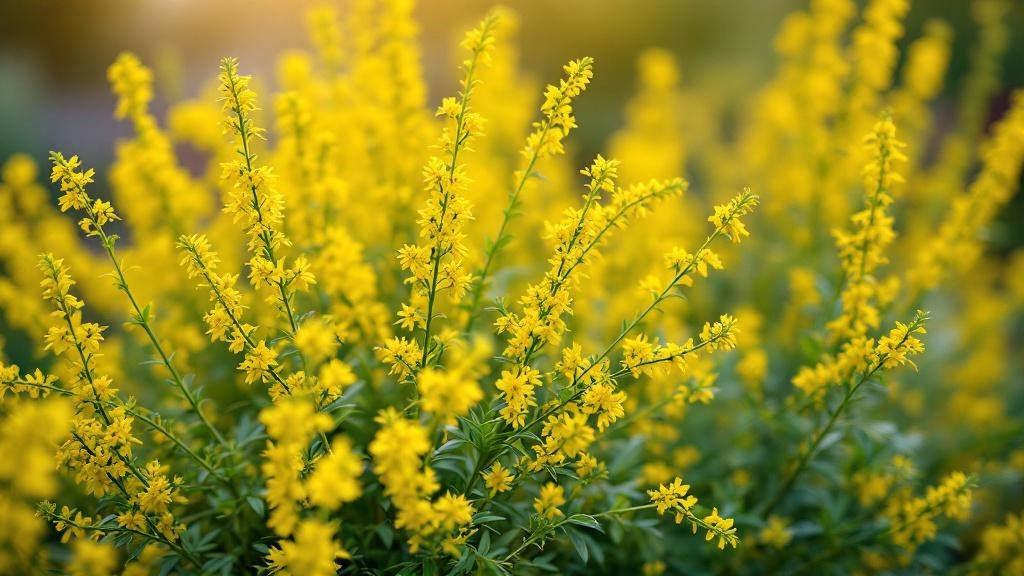
Lovage is a vigorous perennial herb prized for its intensely flavored leaves, seeds, and roots that taste like celery with a hint of anise. In temperate climates (zones 5-8), it grows reliably and returns year after year. Most gardeners wonder how to establish lovage from seed, manage its size, and harvest without harming the plant—this guide covers all three.
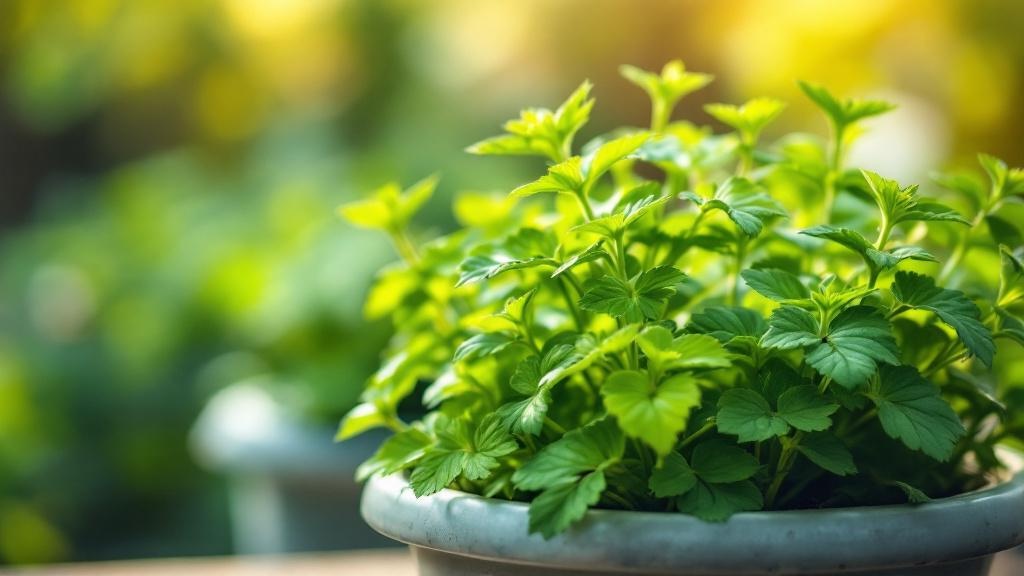
Watering Lovage
Water lovage regularly during the growing season (April through September in temperate climates), aiming for soil that stays consistently moist but not waterlogged—roughly every 7-10 days depending on rainfall. In winter, reduce watering significantly as the plant enters dormancy. During hot, dry spells in July and August, increase frequency and mulch around the base to retain moisture. Young plants need more frequent watering than established ones.
Light Requirements for Lovage
Lovage grows best in partial shade to full sun, tolerating 4-6 hours of direct sunlight daily. In temperate regions with intense summer sun, afternoon shade helps prevent leaf scorch and stress. Morning sun with afternoon dappled shade is ideal if you live in a warm microclimate. It will survive in light shade but may grow more slowly and produce fewer leaves.
Soil & Repotting Lovage
Use fertile, well-draining soil rich in organic matter—lovage dislikes waterlogged conditions but prefers consistent moisture. Amend garden beds with compost before planting. If growing in containers (recommended for smaller gardens), use a quality multipurpose potting mix and choose a pot at least 30 cm deep. Lovage has a deep taproot, so it prefers depth over width. Repotting is rarely needed; divide clumps every 3-4 years in early spring if plants become too large.
Temperature & Humidity for Lovage
Lovage thrives in cool to moderate temperatures (15-20°C is ideal) and is fully hardy in USDA zones 5-8. It handles frost and snow well, dying back in late autumn and resprouting in March or April. High humidity is not necessary, but air circulation helps prevent fungal issues. In regions with very hot, dry summers, provide afternoon shade and extra water.
Feeding & Fertilizing Lovage
Lovage is not a heavy feeder but benefits from one application of balanced, organic fertilizer (such as fish emulsion or compost) in mid-spring as new growth emerges. If growing in containers, feed monthly during the growing season as nutrients leach from pots faster. Avoid excessive nitrogen, which can produce lush leaves at the expense of flavor. Mulch with compost each autumn to slowly replenish soil fertility.
Common Problems & Solutions
Lovage is generally pest-resistant, but watch for aphids in spring and leaf miner damage (tiny serpentine trails on leaves); spray with neem oil or insecticidal soap if needed. Powdery mildew can appear in humid conditions with poor air circulation—improve ventilation and avoid overhead watering. Root rot occurs only in poorly drained soil; ensure drainage is adequate and water only when the top inch of soil is dry. Remove any diseased foliage promptly.
Frequently asked questions
How often should I water lovage?
Water lovage every 7-10 days during the growing season (April-September) to keep soil consistently moist. Reduce watering in winter when the plant is dormant. In hot spells, water more frequently and mulch to prevent drying out.
Can I grow lovage indoors?
Lovage can be grown indoors in a large pot (at least 30 cm deep) with very bright light from a south-facing window or grow light. However, it prefers outdoor conditions and full-season growth. If grown indoors year-round, expect slower growth and less leaf production than garden-grown plants.
When can I harvest lovage?
Begin light harvesting in the second year after planting, once the plant is established. Pinch off outer stems and leaves as needed from June onward; avoid harvesting more than one-third of the plant at once. Stop harvesting in late August to allow the plant to store energy for winter.
Is lovage toxic to cats or dogs?
No, lovage is safe for cats and dogs and is not listed as toxic by the ASPCA. However, some animals may have individual sensitivities, so observe any unusual behavior if pets nibble the plant.
Why are my lovage leaves turning yellow?
Yellow leaves often indicate overwatering or poor drainage causing root stress. Check that soil drains well and allow it to dry slightly between waterings. Yellowing can also result from nitrogen deficiency; apply a balanced fertilizer in spring. Remove any diseased yellow leaves at the base.