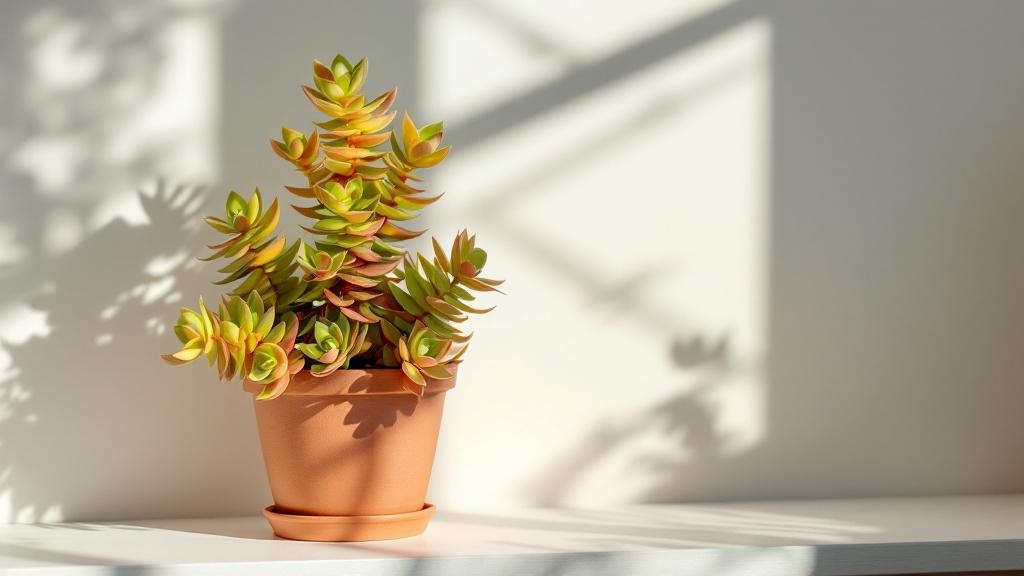
Umbrella Palm
Umbrella Palm has become increasingly popular among houseplant enthusiasts in temperate regions for its unique, architectural foliage and ability to tolerate wet feet that would kill most other plants. The most common question is whether you can grow it indoors successfully — the answer is yes, but it demands consistent moisture and humidity that mirrors its natural wetland habitat.
Watering Your Umbrella Palm
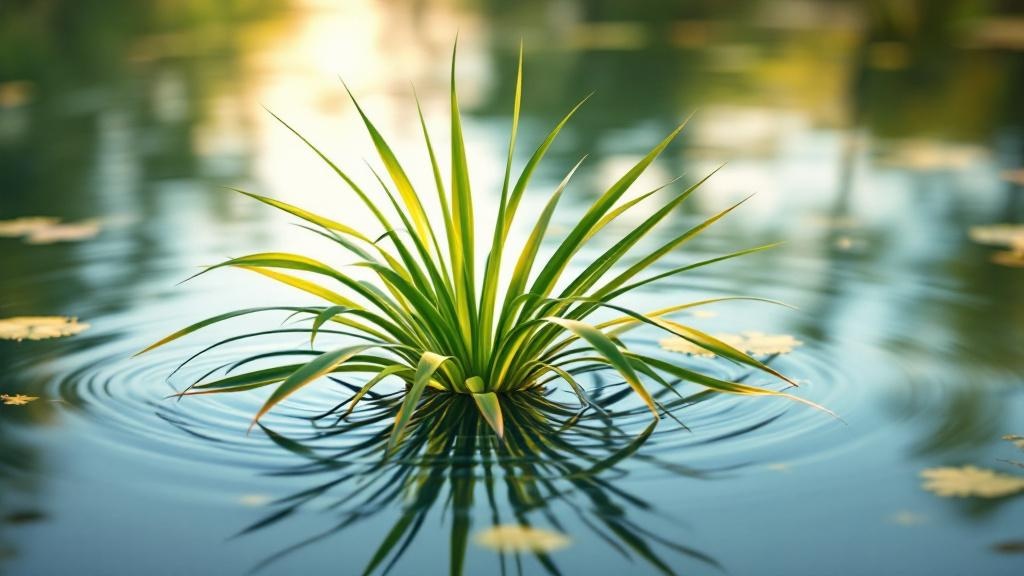
Unlike most houseplants, Umbrella Palm actually prefers to sit in water or permanently moist soil — this is not a problem for this species. Keep the soil consistently wet; many gardeners in temperate climates grow it in a pot sitting in a saucer of water that they refill every few days, or place it directly in a shallow water container (changing water weekly to prevent stagnation). During winter months, the soil can be slightly less waterlogged but should never dry out completely. Using filtered or rainwater is ideal, as Umbrella Palm can be sensitive to hard tap water minerals in some regions.
Light Requirements
Umbrella Palm grows best in bright indirect light, such as near an east or west-facing window with a sheer curtain. It will tolerate partial shade and even lower light conditions, though growth may slow. In temperate climates, place it away from direct summer afternoon sun, which can scorch the delicate foliage. A spot near a north-facing window or 1-2 meters from a south-facing window is typically ideal indoors.
Soil and Repotting
Use a peat-based potting mix or aquatic soil that retains moisture well. Repot in spring (March or April) when the plant outgrows its container, moving to a pot only 2-3 cm larger in diameter. Since this plant loves moisture, drainage holes are less critical than with other houseplants, though they do help prevent anaerobic soil conditions. If repotting in winter, wait until late February to avoid transplanting shock during the dormant season.
Temperature and Humidity
Umbrella Palm thrives in warm, humid conditions between 18-25°C and should never be exposed to temperatures below 10°C, which causes leaf yellowing and growth arrest. In temperate homes, keep it away from cold drafts near windows in winter and away from heating vents. Mist the foliage 2-3 times weekly or place the pot on a humidity tray with pebbles and water to maintain the 60% humidity it prefers. Grouping it with other plants also helps create a humid microclimate.
Fertilizing Umbrella Palm
Feed during the growing season (April through September) with a balanced, water-soluble fertilizer at half strength every 2-3 weeks. Umbrella Palm is not a heavy feeder, so over-fertilizing can cause salt buildup in the constantly wet soil. In autumn and winter, reduce feeding frequency to once monthly or stop entirely. Use a fertilizer formulated for foliage plants or aquatic plants if available in your region.
Common Problems and Solutions
Brown leaf tips are the most common issue and usually indicate either low humidity, mineral buildup from hard water, or excessively cold temperatures — increase humidity with regular misting and switch to filtered water if possible. Yellowing leaves often signal overwatering in regular potting soil (the plant needs to stay wet, but not in anaerobic conditions) or root rot if kept in water that is not changed regularly; switch to a wetter growing method or refresh the water more frequently. Spider mites can appear in very dry indoor air; mist leaves weekly and wash with insecticidal soap if infestations develop.
Frequently asked questions
How often should I water Umbrella Palm?
Umbrella Palm should be kept constantly wet or even partially submerged in water — it actually prefers wetter conditions than almost any other houseplant. Rather than watering on a schedule, keep the soil perpetually moist by placing the pot in a saucer of water that you refill every 3-4 days, or grow it directly in a shallow water container, changing the water weekly.
Why are my Umbrella Palm leaves turning brown?
Brown leaf tips usually indicate low humidity (below 50%), mineral buildup from hard tap water, or exposure to cold temperatures below 15°C. Increase humidity by misting the foliage 2-3 times weekly, switch to filtered or rainwater, and ensure the plant stays in a warm spot away from drafts.
Can I grow Umbrella Palm in my aquarium or water feature?
Yes, Umbrella Palm can be grown partially submerged in water gardens and large aquariums, though it will eventually outgrow most home aquariums as it can reach 60-90 cm tall. If grown in aquarium conditions, ensure water is changed regularly and the plant receives bright light; it works better in outdoor water gardens in temperate climates during summer months.
Is Umbrella Palm toxic to cats or dogs?
No, Umbrella Palm is completely non-toxic to cats, dogs, and other pets. It is safe to grow in homes with animals, though pets may occasionally nibble the foliage — this rarely harms the plant.
How do I propagate Umbrella Palm?
Umbrella Palm is easiest to propagate by division in spring when repotting — simply separate the clumps of stems at the base and pot each division in moist peat soil. Alternatively, cut mature seed heads and root them in wet sand or water; this method is slower but works. Propagation succeeds best between March and May in temperate climates.