Swiss Chard
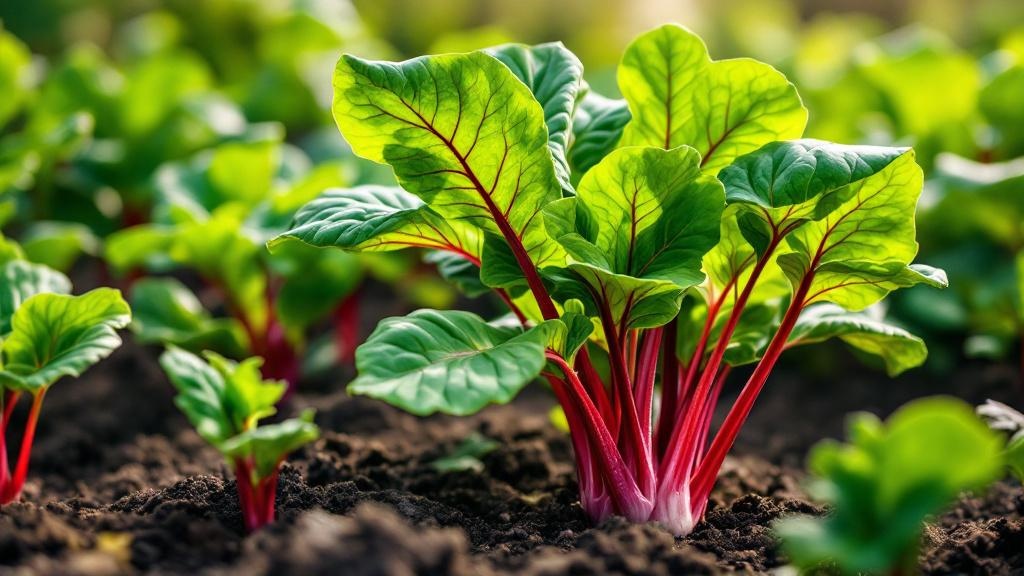
Swiss chard is one of the most rewarding leafy greens for temperate gardens, producing vibrant stems in rainbow colors while tolerating both light frost and summer heat. The most common question gardeners ask is how to keep chard producing leaves all season without it bolting or turning bitter. With its long harvest window from May through November in most temperate regions, chard outperforms lettuce and spinach when temperatures fluctuate, making it ideal for gardeners in USDA zones 5-8.
Watering Swiss Chard for Tender Leaves
Water Swiss chard deeply every 5-7 days, providing about 2.5cm of water weekly. Consistent moisture prevents bitter-tasting leaves and keeps stems crisp. In hot July and August spells, increase frequency to every 4-5 days and water early morning to reduce evaporation. Mulch around plants with straw or compost to retain soil moisture between waterings.
Light Requirements for Optimal Growth
Swiss chard performs best in full sun with 6-8 hours of direct light daily, though it tolerates partial shade better than most vegetables. In warmer temperate summers, afternoon shade actually benefits plants by preventing premature bolting. Position rows running north-south for even light distribution, or plant alongside taller crops like tomatoes that provide natural midday shade from late June onward.
Soil and Transplanting Swiss Chard
Plant chard in rich, well-draining soil with a pH between 6.0 and 7.0. Work in generous amounts of well-rotted compost or aged manure before sowing in late March or early April. Direct sow seeds 2cm deep and 10cm apart, thinning to 30cm spacing once seedlings develop true leaves. Chard tolerates transplanting well, so thin by relocating excess seedlings rather than discarding them.
Temperature and Seasonal Considerations
Swiss chard thrives between 10-24°C but tolerates temperatures from minus 5°C to 30°C. In temperate zones, sow outdoors from late March once soil reaches 10°C, with harvests continuing until hard frosts arrive in late November. Chard often survives mild winters under fleece protection, regrowing in early spring before bolting. For autumn harvests, make a second sowing in late July or early August.
Feeding Your Swiss Chard Plants
Apply a balanced organic fertilizer or blood meal at planting time, then side-dress with compost or diluted liquid feed every 4-6 weeks during the growing season. Chard is a moderate feeder that benefits from nitrogen for leaf production. Avoid over-fertilizing, which produces lush growth attractive to aphids. Stop feeding in September to allow plants to harden off before winter.
Common Swiss Chard Problems and Solutions
Leaf miners create distinctive white tunnels in leaves during May and June; remove affected leaves immediately and cover plants with fine mesh netting to prevent adult flies from laying eggs. Slugs and snails attack young seedlings in damp spring weather; use organic slug pellets, beer traps, or copper tape barriers around beds. Cercospora leaf spot causes brown patches in humid summers; improve air circulation by proper spacing and avoid overhead watering to reduce spread.
Frequently asked questions
How often should I water Swiss chard?
Water Swiss chard every 5-7 days, providing about 2.5cm of water weekly. During hot summer periods, increase to every 4-5 days. Consistent moisture is key to preventing bitter-tasting leaves and tough stems.
Why are my Swiss chard leaves turning yellow?
Yellow chard leaves typically indicate overwatering, nitrogen deficiency, or natural aging of outer leaves. Check soil drainage and reduce watering if soggy, apply a nitrogen-rich fertilizer like blood meal, and regularly harvest outer leaves to encourage fresh growth from the center.
When can I harvest Swiss chard?
You can begin harvesting Swiss chard 8-10 weeks after sowing, typically from late May in temperate climates. Cut outer leaves when they reach 15-20cm, leaving the center intact for continuous production. Regular harvesting every 7-10 days encourages new growth through to November.
Is Swiss chard toxic to cats?
No, Swiss chard is not toxic to cats or dogs. However, chard contains oxalic acid which may cause mild digestive upset if pets consume large quantities. Small nibbles are generally harmless, but discourage pets from grazing on your vegetable beds.
Can Swiss chard survive frost?
Yes, Swiss chard tolerates light frosts down to minus 5°C and often survives temperate winters with fleece protection. Hard freezes will damage leaves, but roots may survive to produce early spring growth. In zones 6-8, mulch crowns heavily in November for overwintering success.