Maple tar spot
📖 Overview
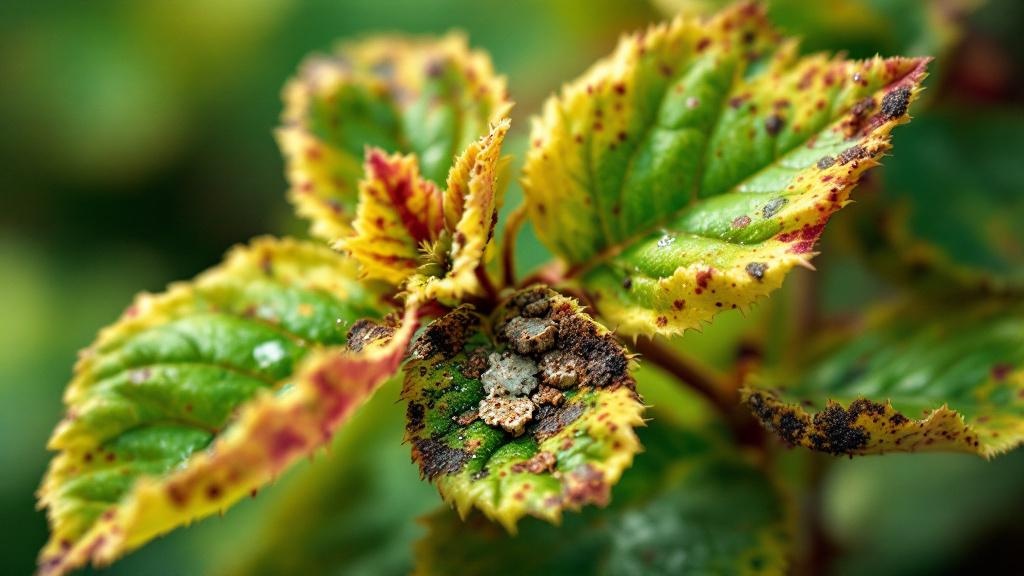
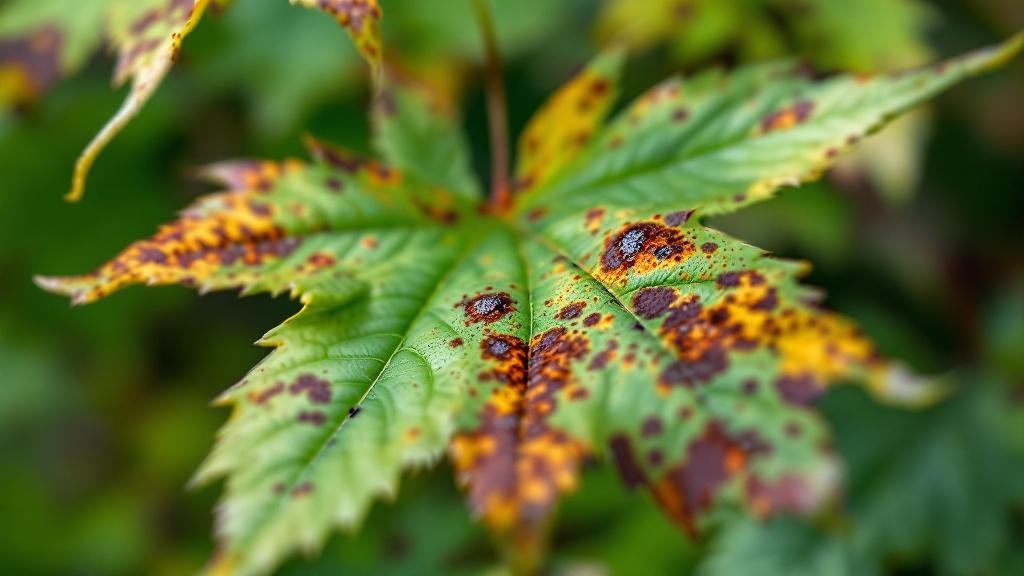
Maple tar spot is a fungal disease caused by Rhytisma acerinum that creates distinctive black, glossy spots on maple leaves, typically appearing from mid-July through late August. These spots look as though someone has dripped tar onto the foliage, starting as small yellowish marks in early July before darkening dramatically by month's end. The disease primarily affects Norway maples (Acer platanoides) and sycamore maples (Acer pseudoplatanus), though other Acer species can fall victim as well.
While tar spot rarely threatens the overall health or vigor of an infected tree, it is fundamentally an aesthetic problem that concerns gardeners who value the appearance of their landscape. A heavily spotted maple in late summer can look distinctly shabby, and for those who take pride in tidy grounds, the blemishes are unmistakable. The good news is that the disease progresses slowly and causes no structural damage, fruit loss, or long-term decline—your tree will leaf out normally the following spring.
The infection window runs from spring to late summer, though the visible damage only becomes apparent by August. The very first sign to watch for is the appearance of small, faint yellow spots on the upper leaf surface in July; these gradually enlarge and blacken over the next four to six weeks. Unlike other leaf spots or fungal diseases, tar spot is unmistakable once you know what to look for: the shiny, coal-black patches are three-dimensional, slightly raised, and genuinely resemble old tar drips, making confusion with other maple ailments unlikely.
Interestingly, this disease thrives in clean air and rural settings. In polluted urban areas with high sulfur dioxide levels, the fungus actually struggles to establish itself—a quirk of nature that makes tar spot an ironic indicator of good air quality in temperate regions across Central Europe and northern gardens.
🔍 How to identify
A leveleken nagy (1-2 cm), kerek, fényes FEKETE foltok, mintha kátrányt csöpögtettek volna rá. Először júliusban kicsi sárgás foltok, augusztus végére teljesen fekete. A fa egészségére alig hat — esztétikai probléma elsősorban.
🌿 Common host plants
💊 Treatment
Lombhullás után gereblyézés + komposztba MÉLYEN (vagy elégetés). Ez ismétlődő évek alatt drasztikusan csökkenti a fertőzést.
Nagy fák esetén gyakorlatilag nem permetezhető. Csemete-fán dithianon, mancozeb rügyfakadáskor.
🛡️ Prevention
Levél eltávolítás a forrás. Levegős állás. Új ültetésnél kevésbé érzékeny faj (Acer rubrum, A. ginnala).
💡 Notes
Ironikusan a levegő tisztaságát jelzi — légszennyezett városokban (SO₂) a gomba kihal. Vidéken és tiszta levegőjű területeken jelenik meg.
Frequently asked questions
Will maple tar spot kill my tree or cause serious damage?
No, tar spot is almost entirely cosmetic and does not harm the tree's health, vigor, or longevity. Trees with heavy tar spot continue to grow normally, produce foliage the next spring, and show no decline in branch strength or fruit/seed production.
When exactly should I look for the first signs of tar spot on my maple?
Begin checking your maple leaves in early July for small, pale yellowish spots on the upper surface. By late August, these spots will have transformed into the characteristic shiny black marks, each 1–2 centimeters across, that give the disease its name.
What is the most effective organic way to reduce tar spot year after year?
After the leaves fall in autumn, rake up all fallen maple foliage and compost it deeply (at least 30 centimeters down in a hot pile) or burn it; the fungus overwinters in the leaf litter. Repeating this cleanup over three to four consecutive years will drastically reduce the fungal spore load and minimize infection the following season.
Does tar spot spread to other trees and plants in my garden?
No, Rhytisma acerinum is specific to maples and does not infect other genera, so your roses, shrubs, and other ornamentals are entirely safe. However, the disease can spread from one maple to another through wind-borne spores in wet spring weather.
If I am planting a new maple, which species should I choose to avoid this problem?
Red maple (Acer rubrum) and Amur maple (Acer ginnala) show much better resistance to tar spot than Norway maple and sycamore maple. These alternatives also thrive in temperate gardens and offer excellent autumn color without the cosmetic burden of tar spot.
Not sure what's wrong? Take a photo!
Plantora's AI Plant Doctor identifies the issue from a single photo in seconds and gives you a tailored treatment guide.
Try AI diagnosis (free) →