Rose
Roses are beloved by gardeners across temperate regions for their fragrant, colourful blooms and romantic appeal. Whether you're growing hybrid tea roses, English roses, or hardy shrub varieties, the most common question is how to keep them healthy and blooming throughout the growing season. In zones 5-8, roses thrive with attention to watering, light, and disease prevention.
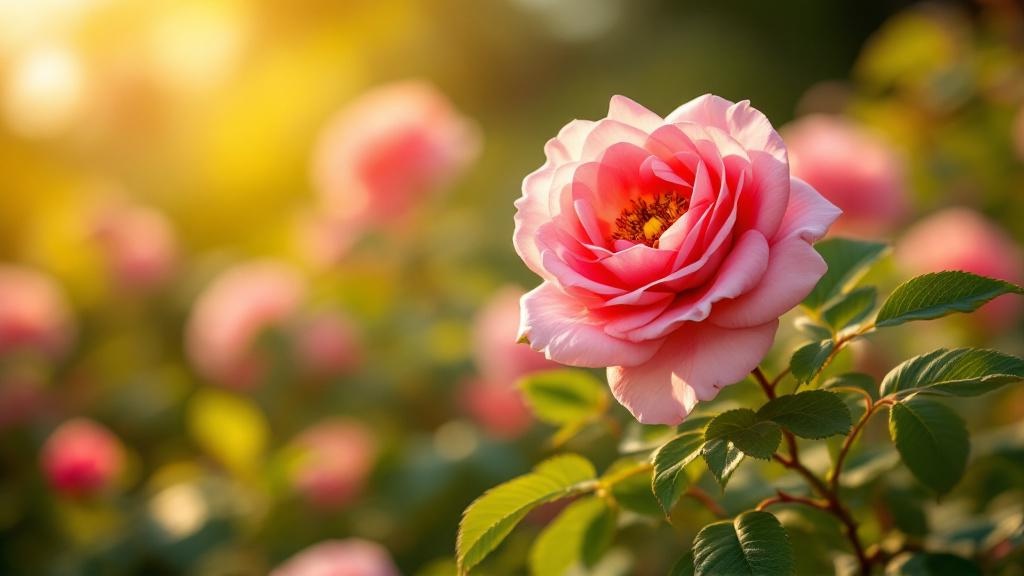
Watering Roses Deeply and Consistently
Roses need deep, consistent watering — aim for 2-3 cm per week, delivered at the soil level rather than overhead to reduce fungal disease. In summer heat (June-August), water twice weekly; in cooler months, reduce to once weekly or when the top 5 cm of soil feels dry. Morning watering is ideal, allowing foliage to dry quickly. Avoid wetting leaves, which encourages powdery mildew and black spot, especially common in humid temperate springs.
Light Requirements for Healthy Rose Growth
Roses are sun-lovers and need a minimum of 6 hours of direct sunlight daily; 8 hours is better for maximum blooms. In regions with intense afternoon sun (July-August), light afternoon shade can prevent petal scorching on delicate varieties. Position climbing roses and standards on south or west-facing walls in temperate zones. Insufficient light leads to weak growth, fewer flowers, and increased vulnerability to pests and mildew.
Soil Preparation and Repotting
Roses thrive in well-draining, slightly acidic soil (pH 6.0-6.5) enriched with organic matter. Amend planting holes with compost or well-rotted manure; add grit to heavy clay soils common in Central Europe and UK. Container roses need repotting every 2-3 years in spring (late March-April); use a high-quality rose or multi-purpose compost mixed with perlite. Root-bound roses show stunted growth and reduced flowering.
Temperature and Humidity Management
Roses perform best between 15-25°C and tolerate winter temperatures in zones 5-8 (-20°C and above with protection). In autumn (September-October), stop deadheading to allow hips to form, signalling the plant to harden off for winter. High humidity encourages fungal diseases; space plants to ensure air circulation, especially important during damp springs. In cold regions, apply mulch (8-10 cm) around the base in late November before hard frost.
Feeding Roses for Continuous Blooms
Begin feeding in late April when growth starts and continue until August; stop earlier to avoid encouraging tender new growth before winter. Use a balanced rose fertiliser (such as those labelled 'rose food') every 2-3 weeks, or apply a slow-release granular fertiliser in spring. Roses are heavy feeders and respond well to added potassium, which promotes flowering. Mulch with composted material each spring to improve soil fertility naturally.
Common Rose Problems and Solutions
Black spot (dark lesions on leaves, spreading in wet weather) is the most frequent fungal disease in temperate climates — improve air flow, remove infected leaves, and avoid overhead watering. Powdery mildew (white coating, especially in June) thrives in warm days and cool nights — spray with sulphur or neem oil early morning. Aphids cluster on new growth in spring — wash off with water or use insecticidal soap. Sawfly larvae may skeletonise leaves (June-July); remove affected leaves or apply derris dust if severe.
Frequently asked questions
How often should I water my roses?
Water deeply 2-3 times per week in summer (June-August) to deliver 2-3 cm per week; reduce to once weekly in cooler months or when rainfall is adequate. Always water at soil level in the morning to prevent fungal disease.
Why are my rose leaves getting black spots?
Black spot is a fungal disease spread by water splash and common in temperate springs with high humidity. Remove affected leaves, improve air circulation by spacing plants further apart, and avoid wetting foliage when watering.
When should I prune my roses?
Prune in late March-April as new buds emerge, cutting out dead wood and crossing canes at 45-degree angles. Summer deadheading (remove spent blooms) encourages more flowers; stop deadheading in August to allow hips to form before winter dormancy.
How much sunlight do roses need?
Roses need at least 6 hours of direct sunlight daily; 8 hours is ideal for prolific blooming and disease resistance. Less sun results in sparse flowers and increased pest susceptibility.
Are roses toxic to cats and dogs?
Roses are mildly toxic — the thorns pose a physical injury risk, and ingestion of stems or leaves may cause mild stomach upset in pets. Monitor for signs of distress and contact a vet if a pet consumes large amounts.
🩺 Common diseases and pests
These problems commonly affect this plant. Click any to see full symptom descriptions, organic and chemical treatment, and prevention.