Tamarillo
The tamarillo, also called tree tomato, is an exciting edible plant that brings exotic flavor to temperate gardens. Native to South America, this fast-growing small tree produces distinctive red or yellow fruits with a tangy, tomato-like taste. The most common question gardeners ask is whether tamarillo can survive cold winters — and the answer is yes, with proper overwintering indoors. In USDA zones 5-8, growing tamarillo in containers makes harvesting possible while protecting this frost-tender plant.
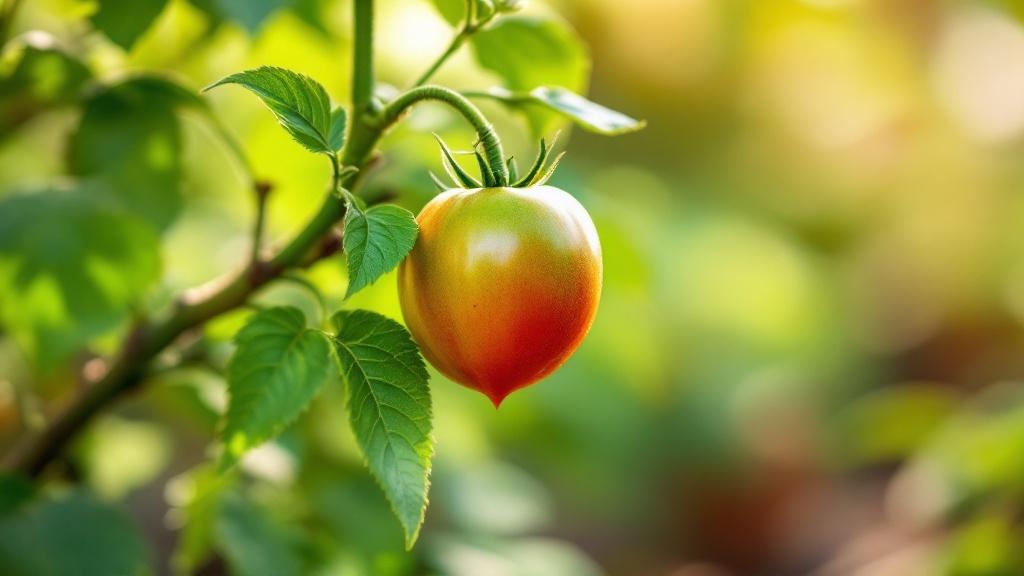
Watering Your Tamarillo for Healthy Growth
Water tamarillo deeply every 5-7 days during the growing season from May through September, allowing the top 3-5 cm of soil to dry between waterings. Reduce watering to every 10-14 days during winter dormancy indoors. Tamarillos have shallow root systems and are sensitive to both waterlogging and drought, so consistent moisture without soggy soil is essential. In hot July and August spells, check soil moisture more frequently.
Light Requirements for Fruit Production
Tamarillos need full sun with at least 6-8 hours of direct light daily to produce fruit. In temperate climates, position container plants on a south-facing patio or against a warm wall from late April through October. During indoor overwintering from November to March, place near the brightest window available or supplement with grow lights for 10-12 hours daily.
Soil and Repotting Essentials
Plant tamarillo in rich, well-draining potting mix with a slightly acidic pH of 5.5-7.0. A blend of quality compost, perlite, and standard potting soil works well. Repot young plants annually in March before moving outdoors, increasing pot size by 5 cm each year. Mature plants in 40-50 cm containers need only top-dressing with fresh compost each spring.
Temperature and Humidity for Temperate Growing
Tamarillo thrives between 15-25°C and cannot tolerate frost. Move container plants indoors before night temperatures drop below 5°C, typically by late September or early October in zones 5-8. Overwinter in a cool, bright room at 10-15°C — unheated conservatories or bright garages work well. Moderate humidity of 50-60% prevents leaf drop; mist occasionally during dry winter heating periods.
Fertilizing for Fruit and Foliage
Feed tamarillo every 2 weeks from April through August with a balanced liquid fertilizer diluted to half strength. Switch to a high-potassium tomato feed once flowering begins, typically in late May or June, to encourage fruit development. Stop fertilizing completely by mid-September to allow the plant to harden off before winter. A slow-release granular fertilizer mixed into soil at spring repotting provides a good baseline.
Common Problems and Solutions
Red spider mites often attack tamarillos during dry indoor overwintering — increase humidity and wipe leaves regularly to prevent infestations. Aphids cluster on new growth in spring; treat with insecticidal soap or blast off with water. Powdery mildew can appear in humid, poorly ventilated conditions, so ensure good air circulation. Yellow leaves usually indicate overwatering, nutrient deficiency, or cold stress during autumn transition.
Frequently asked questions
How often should I water a tamarillo tree?
Water your tamarillo every 5-7 days during summer, allowing the top few centimeters of soil to dry between waterings. In winter dormancy indoors, reduce to every 10-14 days. Always check soil moisture rather than following a strict schedule, as needs vary with temperature and humidity.
Can tamarillo survive winter in the UK?
No, tamarillo cannot survive winter outdoors in the UK or similar temperate climates. Bring container plants indoors before temperatures drop below 5°C, typically in late September. Overwinter in a bright, cool room at 10-15°C and return outdoors after the last frost in late April or May.
Why are my tamarillo leaves turning yellow?
Yellow tamarillo leaves most commonly indicate overwatering or cold stress. Check that drainage is adequate and reduce watering frequency if soil stays soggy. During autumn, some yellowing is natural as the plant adjusts to cooler conditions and reduced light before winter dormancy.
When does tamarillo produce fruit?
Tamarillo typically fruits 18-24 months after planting from seed, or within the first year from a cutting. Flowering occurs in late spring through summer, with fruits ripening from late summer into autumn. In temperate climates with short seasons, expect harvests primarily in September and October.
Is tamarillo toxic to cats and dogs?
Tamarillo leaves and unripe fruits contain solanine, making them mildly toxic to pets if ingested in quantity. Ripe fruits are safe for both humans and animals. Keep pets away from the plant itself, and watch for symptoms like drooling or stomach upset if leaves are chewed.