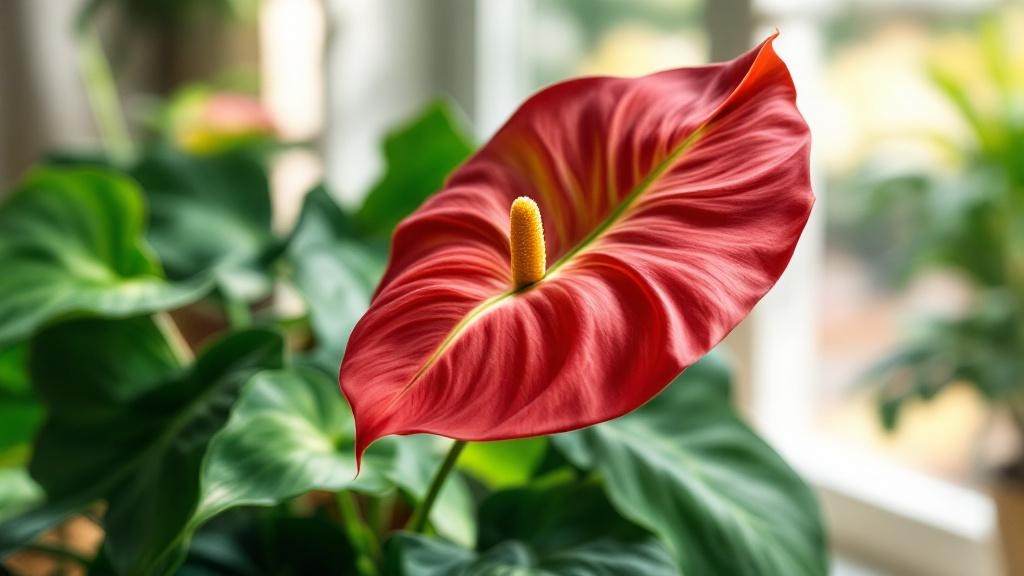
Velvet Cardboard Anthurium
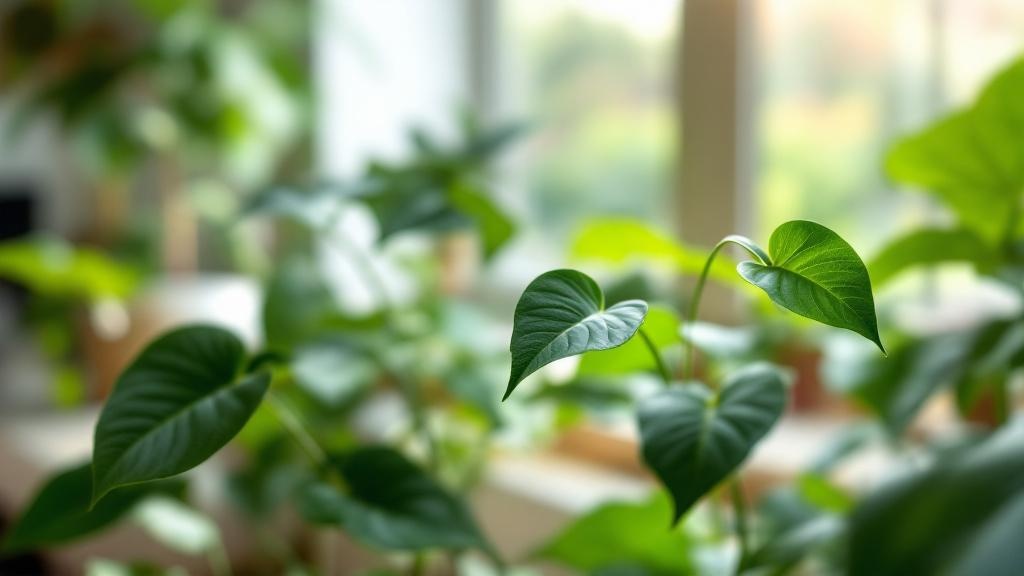
The velvet cardboard anthurium (Anthurium clarinervium) is a tropical houseplant celebrated for its dramatic velvety foliage and silvery-white leaf veining. Native to Colombian rainforests, this plant brings lush, exotic beauty to indoor spaces in temperate homes. Most gardeners ask: how do I keep the leaves lustrous and prevent browning? The answer lies in humidity, light, and water management tailored to this moisture-loving tropical species.
Watering Your Velvet Cardboard Anthurium
Water when the top 2–3 cm of soil feels dry, typically every 7–10 days in spring and summer, and every 10–14 days in winter. Use room-temperature, filtered or distilled water if possible, as the foliage is sensitive to chlorine and mineral buildup. Never allow the pot to sit in standing water, as root rot is a major threat to this species. In temperate climates, check soil moisture more frequently during heated indoor months (November–March).
Light Requirements for Healthy Growth
Place your velvet cardboard anthurium in bright, indirect light for at least 8–10 hours daily. A north or east-facing windowsill is ideal; south-facing windows work if filtered through sheer curtains to prevent leaf scorch. Without sufficient light, leaf veining becomes less prominent and new growth may appear smaller. Avoid direct midday sun, which can damage the delicate velvety texture and cause fading of the white veins.
Soil & Repotting
Use a loose, well-draining potting mix — orchid bark mixed with peat moss or coco coir creates the ideal substrate that mimics its rainforest epiphytic habitat. Repot every 18–24 months in spring (late March to April in temperate regions) when roots begin circling the pot. Choose a pot only 2–3 cm larger in diameter to avoid excess moisture retention. Always ensure the new pot has drainage holes to prevent waterlogging.
Temperature & Humidity
Maintain temperatures between 18–26°C; temperatures below 15°C slow growth and increase disease risk, so protect from draughty windows in winter. This tropical plant craves humidity — aim for 60–80% relative humidity by misting leaves 2–3 times weekly, grouping plants together, or using a pebble tray with water. In dry central heating conditions (common in temperate homes November–March), misting is essential to prevent leaf edges browning and to preserve vein clarity.
Fertilizing
Feed every 3–4 weeks during the growing season (April–September) with a balanced, diluted liquid fertilizer (e.g., half-strength). In winter, reduce feeding to once monthly or stop entirely, as growth slows. Avoid over-fertilizing, which causes salt accumulation and leaf burn. Flushing the soil with filtered water once every 2–3 months helps prevent mineral buildup, particularly if using tap water.
Common Problems & Solutions
Yellowing or brown leaf edges are typically caused by low humidity, mineral-laden water, or poor drainage — increase misting, switch to distilled water, and check drainage holes. Pale veining or small new leaves indicate insufficient light; relocate to a brighter spot indoors. Spider mites and mealybugs are common indoor pests in temperate climates, especially in dry heated air; spray affected foliage with horticultural soap or neem oil every 7–10 days until resolved. Root rot from overwatering is the most serious threat; if detected, remove the plant, prune dead roots, repot in fresh dry soil, and allow to dry slightly between waterings.
Frequently asked questions
How often should I water velvet cardboard anthurium?
Water every 7–10 days in spring and summer when the top 2–3 cm of soil is dry, reducing to every 10–14 days in winter. Check soil moisture before watering to avoid overwatering, which causes root rot in this tropical species.
Why are the leaves on my anthurium clarinervium turning brown?
Brown leaf edges are usually caused by low humidity (below 50%), mineral buildup from tap water, or underwatering. Increase misting to 2–3 times weekly, use filtered or distilled water, and ensure soil stays consistently moist but not soggy.
What light does velvet cardboard anthurium need?
This plant thrives in bright, indirect light for 8–10 hours daily; north or east-facing windowsills are ideal. Direct sun will scorch the velvety leaves and fade the white veins, so filter south-facing light with sheer curtains.
Is anthurium clarinervium toxic to cats and dogs?
Yes, it is mildly toxic to pets due to calcium oxalate crystals in the sap, which can cause mouth irritation and drooling if ingested. Keep the plant out of reach of curious cats and dogs and wash your hands after handling.
How do I increase humidity for my anthurium clarinervium indoors?
Mist the foliage 2–3 times weekly with filtered water, place the pot on a pebble tray filled with water, or group it with other tropical plants. In heated temperate homes during winter (November–March), these methods are essential to maintain healthy, vibrant vein patterns.