Norway Maple
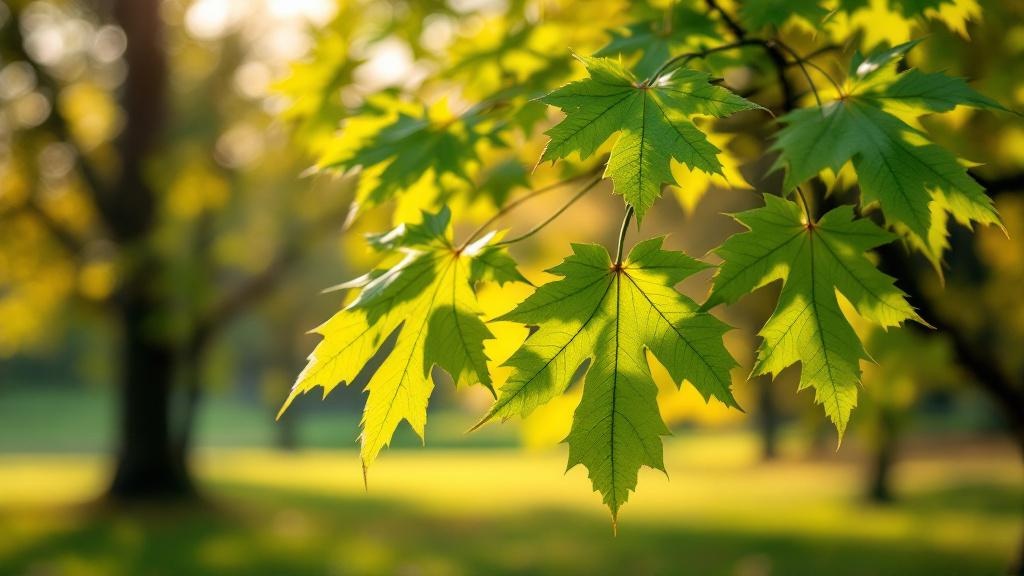
Norway Maple is one of the most resilient shade trees for temperate gardens, tolerating urban pollution, compacted soil, and harsh winters with ease. The most common question gardeners ask is whether this vigorous tree is right for their space. While it provides excellent summer shade and striking yellow autumn foliage, its dense canopy and shallow root system require thoughtful placement away from lawns and flower beds where it can outcompete other plants.
Watering Your Norway Maple
Young trees need consistent moisture during their first two growing seasons. Water deeply once weekly from April through October, providing roughly 10 liters per inch of trunk diameter. Mature trees are remarkably drought-tolerant and rarely need supplemental watering except during extended dry spells lasting more than three weeks. Reduce watering in late September to help the tree harden off before winter.
Light Requirements for Healthy Growth
Norway Maple thrives in full sun but tolerates partial shade better than most maples. For optimal autumn colour and dense canopy development, provide at least 4-6 hours of direct sunlight daily. Trees grown in heavy shade become leggy with sparse foliage. In exposed locations, young trees may benefit from temporary windbreaks during their first winter.
Soil and Planting Guidelines
This adaptable tree accepts clay, loam, sandy, and even compacted urban soils with pH ranging from 5.0 to 7.5. Plant bare-root specimens in late March or early April before bud break, or container-grown trees anytime from April to October. Dig a hole twice the root ball width but no deeper. Avoid amending backfill soil excessively as this discourages roots from spreading into native ground.
Temperature and Seasonal Considerations
Norway Maple is exceptionally cold-hardy, surviving temperatures down to minus 30 Celsius without damage. In temperate zones 5-8, no winter protection is needed for established trees. Young trees planted in autumn benefit from a 10cm layer of bark mulch around the base to protect roots during their first winter. Remove mulch from direct trunk contact to prevent rot.
Fertilizing Schedule
Established Norway Maples rarely require fertilization in garden settings. For young trees or those showing pale foliage, apply a balanced slow-release fertilizer in early April at a rate of 100g per inch of trunk diameter. Spread granules beneath the canopy drip line, not against the trunk. Avoid fertilizing after late June as this promotes soft growth vulnerable to early frost damage.
Common Problems and Solutions
Tar spot fungus creates unsightly black patches on leaves from late summer but causes no lasting harm. Rake and destroy fallen leaves in November to reduce spore load. Aphids cluster on new growth in May and June, producing sticky honeydew. Strong water spray dislodges them effectively. Verticillium wilt causes branch dieback and requires removal of affected limbs. Sterilize pruning tools between cuts with methylated spirits.
Frequently asked questions
How fast does a Norway Maple grow?
Norway Maple grows 30-60cm per year under good conditions, reaching mature height in 20-25 years. Young trees grow fastest when watered consistently and planted in full sun. Expect a 3-meter sapling to reach 12-15 meters within 15 years in temperate gardens.
Why are my Norway Maple leaves turning yellow in summer?
Summer yellowing usually indicates chlorosis from alkaline soil preventing iron uptake. Apply chelated iron around the drip line in April and mulch with acidic materials like pine bark. Alternatively, drought stress or waterlogging can cause similar symptoms, so check soil moisture before treating.
When is the best time to prune a Norway Maple?
Prune Norway Maple in late winter between January and early March while fully dormant. Pruning during this window minimizes sap bleeding and disease entry. Avoid pruning from April through June when sap flow is heaviest, as wounds heal poorly and attract pests.
Is Norway Maple invasive?
Yes, Norway Maple is considered invasive in parts of North America due to prolific self-seeding. In Europe, it is native and less problematic. Remove seedlings annually from garden beds in late spring when they are small. Consider sterile cultivars if spread concerns you.
How big does a Norway Maple get?
Mature Norway Maples reach 15-20 meters tall with an equal spread in temperate climates. The dense, rounded canopy needs at least 10 meters clearance from buildings and other large trees. Dwarf cultivars like Globosum stay under 6 meters for smaller gardens.
🩺 Common diseases and pests
These problems commonly affect this plant. Click any to see full symptom descriptions, organic and chemical treatment, and prevention.