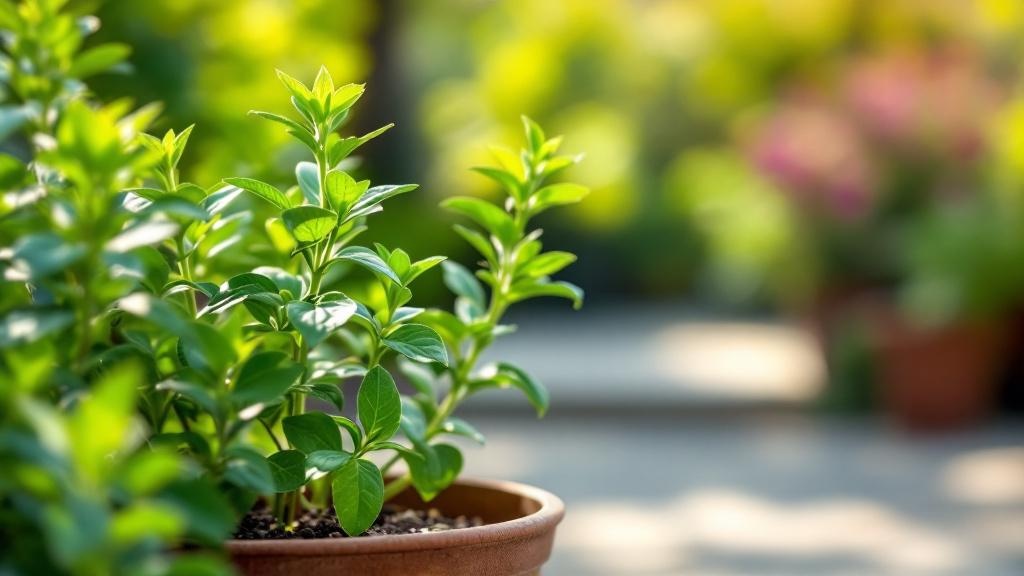
Leek
Leeks are one of the most rewarding vegetables for temperate gardeners, standing strong through frost when most crops have faded. The most common question home growers ask is how to achieve those long, tender white stems seen at farmers markets. The secret lies in proper blanching techniques and patient timing. Whether you are starting from seed in February or transplanting young starts in late spring, understanding leek care basics will reward you with harvests from autumn well into early spring.
Watering Your Leeks for Steady Growth
Leeks need consistent moisture throughout their long growing season, approximately 1-2 inches per week. Water deeply at soil level rather than overhead to prevent fungal issues on the tightly wrapped leaves. During dry spells in July and August, increase watering frequency to every 3-4 days. Mulching around plants helps retain moisture and reduces watering needs.
Light Requirements for Robust Leek Development
Plant leeks in a position receiving at least 6 hours of direct sunlight daily for best results. They tolerate partial shade, especially in warmer summers, though stems may be thinner. In regions with hot July temperatures, afternoon shade can prevent stress. Avoid heavily shaded spots as this leads to weak, spindly growth.
Soil Preparation and Transplanting Leeks
Leeks thrive in deep, well-draining soil enriched with plenty of compost or well-rotted manure. Dig beds deeply in early spring, working in organic matter to at least 30 centimeters depth. When transplanting seedlings in late April to May, drop them into 15-centimeter deep holes without backfilling to encourage long white stems. Space plants 15 centimeters apart in rows 30 centimeters apart.
Temperature and Seasonal Timing
Leeks are remarkably cold-hardy, surviving temperatures down to minus 10 Celsius with mulch protection. Sow seeds indoors in February or early March, transplant outdoors after last frost in April or May. They grow slowly through summer and are ready for harvest from September onwards. In mild winters, leave them in the ground until needed, harvesting through to March.
Feeding Leeks Through the Growing Season
Apply a balanced vegetable fertilizer or blood meal when transplanting and again in mid-July. Leeks are moderate feeders that benefit from nitrogen-rich amendments for leafy growth. Side-dress with compost in August to support final bulking. Avoid high-nitrogen feeds after September as this can reduce winter hardiness.
Common Leek Problems and Solutions
Leek moth larvae tunnel into leaves and stems from May to September; cover crops with fine insect mesh from planting onwards. White rot is a serious soil-borne fungal disease causing yellowing and white fluffy growth at the base; rotate alliums and do not replant in affected soil for 8 years. Rust appears as orange pustules in humid conditions; improve air circulation by proper spacing and remove affected leaves promptly.
Frequently asked questions
How do you blanch leeks to get white stems?
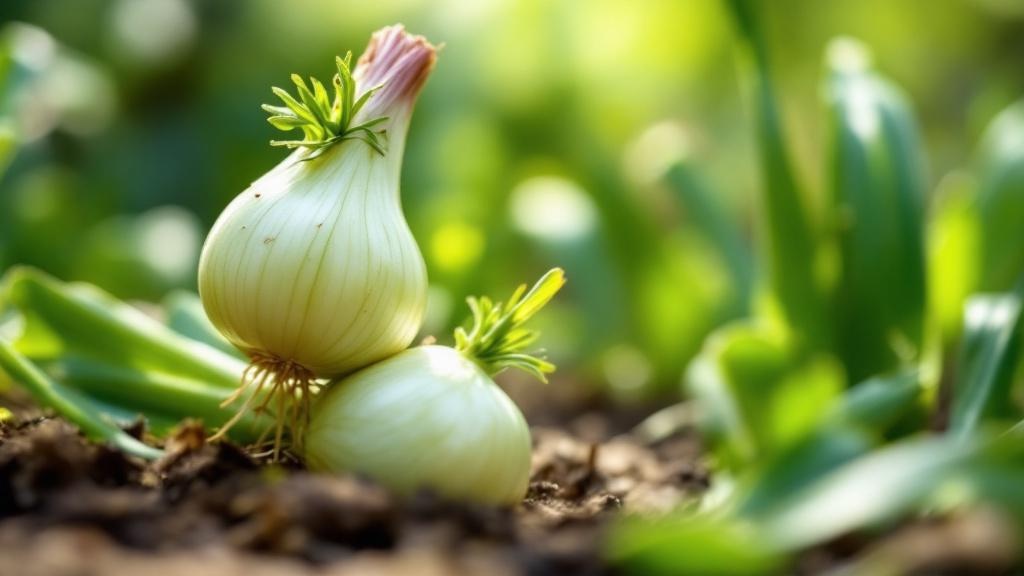
Blanching leeks involves blocking light from the lower stem as they grow. The simplest method is planting in deep holes and gradually filling soil around stems as they grow, or hilling up earth every few weeks from July onwards. You can also wrap cardboard tubes or newspaper around stems for the same effect.
When should I harvest leeks in the UK?
Leeks are ready to harvest from late September through to March, depending on variety. Early varieties mature in autumn while overwintering types can be lifted throughout winter and early spring. Harvest when stems reach approximately 2-3 centimeters in diameter by loosening soil with a fork and pulling gently.
Why are my leek leaves turning yellow?
Yellowing leek leaves often indicate overwatering, poor drainage, or nitrogen deficiency. Check that soil drains well and reduce watering if waterlogged. If lower leaves yellow naturally in autumn, this is normal seasonal dieback. White rot disease also causes yellowing accompanied by white fungal growth at the base.
Are leeks toxic to cats and dogs?
Yes, leeks are toxic to cats and dogs and should be kept away from pets. Like all alliums, they contain compounds that can damage red blood cells, potentially causing anemia, digestive upset, and lethargy. Contact your veterinarian immediately if your pet consumes any part of a leek plant.
Can you grow leeks in containers?
Yes, leeks grow well in deep containers at least 30 centimeters tall. Use a rich potting mix and plant seedlings in the center, gradually adding more compost around stems as they grow to encourage blanching. Water containers more frequently than garden beds as they dry out faster, especially during summer months.
🩺 Common diseases and pests
These problems commonly affect this plant. Click any to see full symptom descriptions, organic and chemical treatment, and prevention.