Tiger Jaws
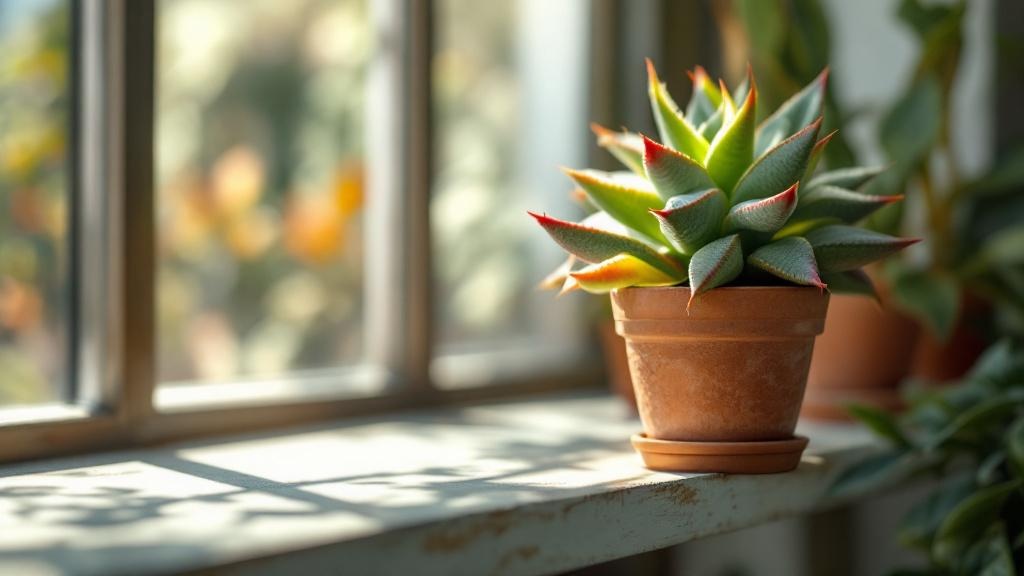
Tiger Jaws earns its name from fleshy, triangular leaves edged with soft white teeth that look like an open mouth. Native to South Africa's Eastern Cape, this compact succulent has become a windowsill favourite for its quirky appearance and forgiving nature. The most common question growers ask is why their Tiger Jaws stretches or fails to bloom. The answer usually lies in light — this desert dweller craves several hours of direct sun daily to stay compact and flower reliably each autumn.
Watering Tiger Jaws: Less Is More
Water thoroughly every 10-14 days during the active growing season from April to September, allowing the soil to dry completely between waterings. In winter, reduce watering to once every 3-4 weeks or when leaves begin to look slightly shrivelled. Always water the soil directly, avoiding the rosette centre to prevent rot. If in doubt, wait another few days — Tiger Jaws tolerates drought far better than soggy roots.
Light Requirements for Healthy Growth
Tiger Jaws needs at least 4-6 hours of direct sunlight daily to maintain its compact rosette shape. A south-facing windowsill is ideal in temperate climates from late March through October. If you notice leaves stretching upward (etiolation) or losing their reddish edge colour, move the plant to a brighter spot. During winter's low light, a grow light for 10-12 hours can prevent leggy growth.
Soil and Repotting Your Faucaria
Plant Tiger Jaws in a gritty, fast-draining mix — combine standard cactus compost with 30-40% perlite or coarse sand. Terracotta pots are preferable as they wick away excess moisture. Repot every 2-3 years in spring, moving up just one pot size. These plants have shallow root systems, so wide, shallow containers work better than deep pots.
Temperature and Humidity Needs
Tiger Jaws thrives between 10-24°C and handles typical indoor humidity without issue. In summer, you can move the plant outdoors to a sunny patio once night temperatures stay above 10°C, typically from late May to mid-September. Bring it indoors before the first frost. Winter dormancy at 10-15°C encourages better flowering, so an unheated but frost-free room is ideal from October through March.
Fertilizing for Strong Growth
Feed sparingly with a diluted cactus fertilizer (half strength) once monthly from April through August. Avoid fertilizing during autumn and winter dormancy. Over-fertilizing causes soft, weak growth prone to rot. A single application of slow-release granules in early spring is an alternative low-maintenance approach.
Common Problems and Solutions
Soft, mushy leaves indicate overwatering or poor drainage — reduce watering immediately and check roots for rot, trimming any black sections. Mealybugs occasionally appear as white cottony clusters in leaf axils; treat with a cotton bud dipped in rubbing alcohol or neem oil spray. Fungus gnats in the soil suggest the mix stays too wet — add more grit and let the soil dry longer between waterings. Stretched, pale growth means insufficient light; relocate to a sunnier position.
Frequently asked questions
How often should I water Tiger Jaws succulent?
Water every 10-14 days in summer and every 3-4 weeks in winter. Always let the soil dry completely before watering again. Overwatering is the most common cause of Tiger Jaws death, so err on the side of underwatering.
Why are my Tiger Jaws leaves turning yellow?
Yellow leaves usually signal overwatering or root rot. Check that your pot has drainage holes and the soil dries within a week of watering. Remove any affected leaves and let the soil dry out completely before watering again.
When does Tiger Jaws bloom?
Tiger Jaws typically blooms in autumn, producing bright yellow daisy-like flowers from September to November in temperate climates. The plant needs plenty of summer sunlight and a slight temperature drop in autumn to trigger flowering. Mature plants over 2-3 years old bloom most reliably.
Is Tiger Jaws toxic to cats?
No, Tiger Jaws is non-toxic to cats and dogs. It is considered a pet-safe succulent by the ASPCA. However, ingestion may still cause mild stomach upset, so it is best to keep plants out of reach of curious pets.
How do I propagate Tiger Jaws?
Propagate by division or leaf cuttings in late spring. Gently separate offsets that form around the mother plant and pot them in dry cactus mix. Allow cut surfaces to callous for 2-3 days before planting to prevent rot.