White Willow
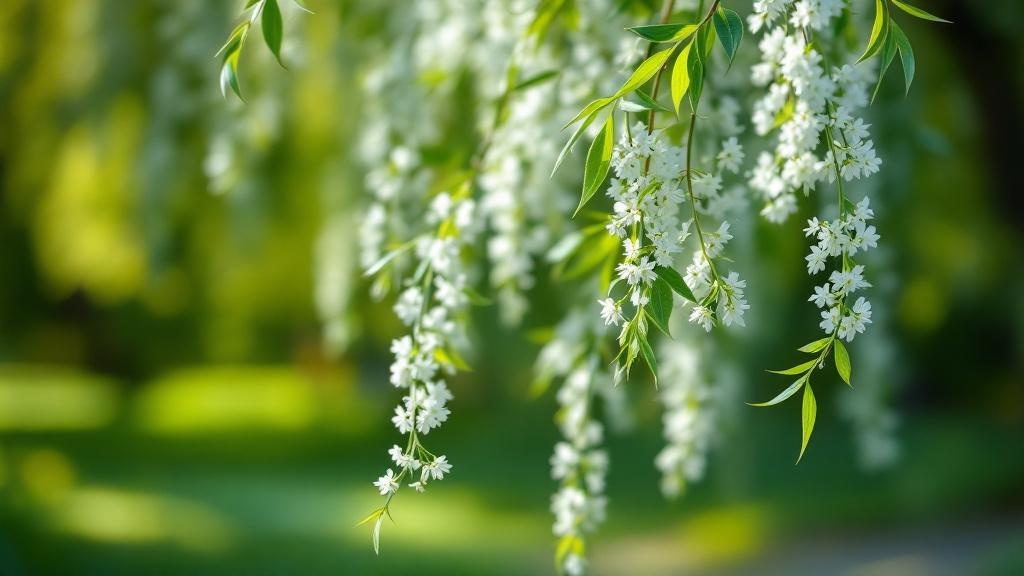
The White Willow is one of Europe's most iconic waterside trees, instantly recognizable by its narrow silvery-green leaves that shimmer in the breeze. Home gardeners often search for advice on managing this vigorous tree's size and water needs. While willows thrive near ponds and streams, they adapt surprisingly well to average garden conditions with proper care. Understanding their moisture requirements and growth habits is key to success.
Watering Your White Willow Tree
White Willows naturally grow along riverbanks and require consistently moist soil, especially during their first 2-3 years. Water deeply once weekly during dry spells from April through September, providing 40-50 liters per session for young trees. Established trees tolerate brief dry periods but perform best with reliable moisture. Mulch the root zone with 8-10 cm of bark chips to retain soil moisture.
Light Requirements for Healthy Growth
Plant your White Willow in full sun for optimal growth and the best silvery leaf color. Trees tolerate partial shade but become leggy and less vigorous with fewer than 6 hours of direct sunlight. In temperate gardens, a south or west-facing position works well. Avoid planting near buildings where shade from structures limits light exposure.
Soil and Planting Considerations
White Willows prefer deep, moist, slightly acidic to neutral soil with a pH of 5.5-7.5. They tolerate clay and periodically waterlogged ground where other trees struggle. Plant bare-root specimens from November to March while dormant. Space trees at least 15 meters from buildings and drainage systems, as their aggressive roots seek moisture and can damage pipes.
Temperature and Climate Tolerance
Extremely hardy throughout temperate regions, White Willows tolerate winter temperatures down to minus 30°C without protection. They require a proper cold dormancy period and perform poorly in warm-winter climates. New growth emerges in mid-March and trees remain in leaf until late October. No winter protection is needed in USDA zones 4-8.
Fertilizing White Willow Trees
Established willows rarely need fertilizing in average garden soil. For young trees or those in poor soil, apply a balanced slow-release fertilizer (10-10-10) in early April at 500 grams per 2.5 cm of trunk diameter. Avoid high-nitrogen feeds after July, as this encourages soft growth vulnerable to early frost damage. Mature trees obtain sufficient nutrients from decomposing leaf litter.
Common Problems and Solutions
Willow leaf beetle is the most frequent pest in temperate regions, causing skeletonized leaves from May onwards; remove affected foliage and encourage natural predators. Willow scab and black canker are fungal diseases appearing in wet springs, causing brown-black lesions on leaves and shoots; prune out infected wood in late winter and improve air circulation. Aphids often colonize new growth in June but rarely cause lasting damage to established trees.
Frequently asked questions
How fast does a White Willow tree grow?
White Willows grow exceptionally fast, adding 1-2 meters of height annually when young. Growth slows somewhat after 10-15 years but remains vigorous. Mature trees typically reach 20-25 meters in temperate gardens within 30-40 years.
How far should I plant a willow tree from my house?
Plant White Willows at least 15-20 meters from buildings, foundations, and drainage systems. Their extensive root systems aggressively seek water and can damage pipes, septic tanks, and foundations. Near water features or at property boundaries away from structures is ideal.
Why are my willow tree leaves turning yellow?
Yellow willow leaves typically indicate drought stress, waterlogged roots causing oxygen deprivation, or nutrient deficiency. Check soil moisture levels and drainage first. If yellowing appears with black spots, suspect willow scab fungus, which is common during wet May and June weather.
When should I prune a White Willow tree?
Prune White Willows in late winter, from January to early March, while fully dormant and before sap rises. This timing reduces disease risk and sap bleeding. Remove dead, crossing, or damaged branches. Pollarding, if desired, should also occur in late winter every 2-5 years.
Is White Willow bark safe for medicinal use?
White Willow bark contains salicin, a compound similar to aspirin, and has been used traditionally for pain relief. However, harvesting and preparing bark requires expertise. Consult a qualified herbalist rather than self-medicating, and never strip bark from living garden trees as this causes serious damage.
🩺 Common diseases and pests
These problems commonly affect this plant. Click any to see full symptom descriptions, organic and chemical treatment, and prevention.