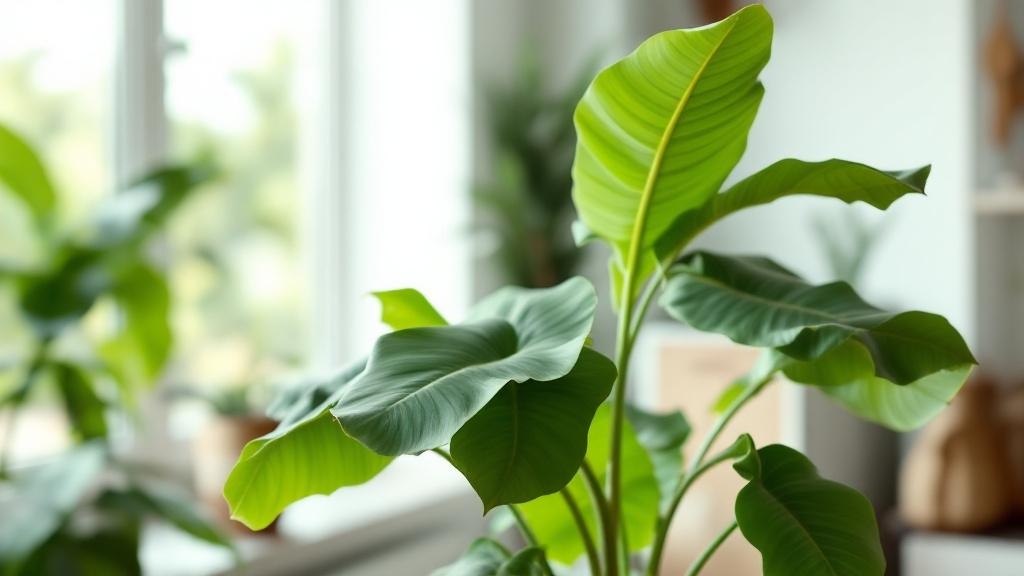
Wild Garlic
Wild garlic, also known as ramsons or bear's garlic, is one of the first edible plants to emerge in late winter, making it a favorite among foragers and home gardeners alike. Native to European woodlands, this aromatic herb brings both culinary value and ornamental charm to shady garden corners. The most common question gardeners ask is how to establish wild garlic and prevent it from spreading too aggressively once it settles in.
Watering Wild Garlic: Woodland Moisture Levels
Wild garlic prefers consistently moist soil that mimics its native forest floor habitat. Water regularly during dry spells in spring and early summer, aiming for about 2-3 cm per week if rainfall is insufficient. Once the plant goes dormant after flowering in late May, reduce watering significantly as the bulbs rest underground. In established patches, natural rainfall in temperate climates typically provides adequate moisture.
Light Requirements: Embrace the Shade
This woodland native thrives in partial to full shade, making it perfect for north-facing gardens or under deciduous trees. Wild garlic completes most of its growth cycle before tree canopies fully leaf out in April and May. Direct afternoon sun, especially in summer, can scorch leaves and shorten the growing season. Dappled light beneath birch, beech, or fruit trees creates ideal conditions.
Soil and Planting: Creating a Woodland Environment
Plant wild garlic bulbs in autumn, around September to November, at a depth of 5 cm and 10-15 cm apart. The soil should be rich in organic matter — mix in plenty of leaf mold or well-rotted compost to replicate forest floor conditions. Wild garlic tolerates a range of pH levels but performs best in slightly acidic to neutral soil (pH 5.5-7). Avoid heavy clay that becomes waterlogged in winter, which can rot the bulbs.
Temperature and Humidity: Cold-Hardy Woodland Herb
Wild garlic is extremely cold-hardy, surviving temperatures down to minus 20 degrees Celsius without protection in USDA zones 5-8. The plant actually requires a cold dormancy period to trigger spring growth. High humidity suits it well, though good air circulation prevents fungal issues. No special winter protection is needed in temperate climates — the bulbs overwinter safely underground.
Fertilizing: Light Feeding for Natural Growth
Wild garlic requires minimal fertilization when grown in appropriately rich soil. Apply a thin layer of leaf mold or compost in autumn after the foliage has died back. Avoid high-nitrogen fertilizers, which can promote excessive leaf growth at the expense of flavor. In poor soils, a single application of balanced organic fertilizer in early March as shoots emerge supports healthy development.
Common Problems: Pests and Diseases to Watch
Rust fungus appears as orange-brown pustules on leaves, typically in wet springs — remove affected foliage and improve air circulation. Onion fly larvae occasionally attack bulbs in late spring; affected plants wilt suddenly and should be removed and destroyed rather than composted. Slugs and snails target young shoots in March and April; use beer traps or organic slug pellets around emerging growth. Lily beetle, increasingly common in UK and Central European gardens, may also feed on foliage.
Frequently asked questions
How do I grow wild garlic from seed?
Wild garlic seeds need cold stratification to germinate, so sow fresh seeds outdoors in autumn directly where you want them to grow. Germination occurs the following spring but is often erratic, taking 1-2 years for reliable sprouting. Planting bulbs in September is faster and more reliable for establishing a patch.
When can I harvest wild garlic leaves?
Harvest wild garlic leaves from late February through early May, before the plant flowers and the leaves become tough. Pick individual leaves rather than pulling entire plants to allow continued growth and bulb development. The flavor is strongest just before the white flowers open in April.
Is wild garlic invasive in gardens?
Wild garlic can spread vigorously once established through both self-seeding and bulb multiplication. To control spread, remove flower heads before seeds develop in late May and plant in contained areas or use root barriers. Many gardeners welcome its naturalizing habit in woodland garden sections where it creates attractive spring groundcover.
Why are my wild garlic leaves turning yellow?
Yellowing leaves in late May or June are completely normal as the plant enters its natural summer dormancy period. However, yellowing earlier in spring may indicate waterlogged soil causing bulb rot, or occasionally viral infection. Ensure good drainage and remove any plants showing unusual mottling or distortion.
Can I grow wild garlic in pots?
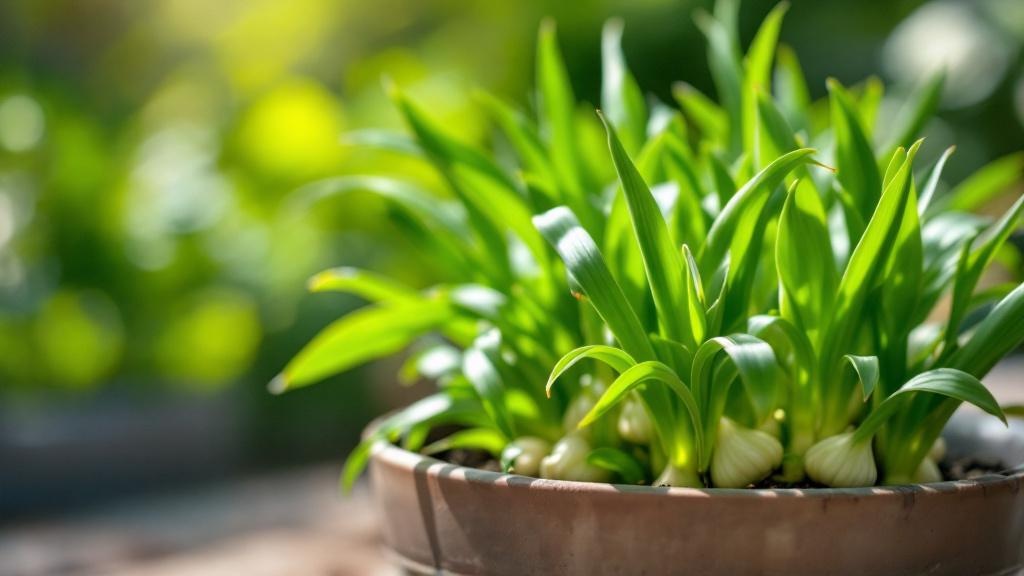
Wild garlic grows reasonably well in containers at least 20 cm deep with good drainage. Use a humus-rich, moisture-retentive compost and keep pots in shade, watering regularly during the growing season. Repot or divide congested containers every 2-3 years in autumn to maintain vigor.