Mealybugs
📖 Overview
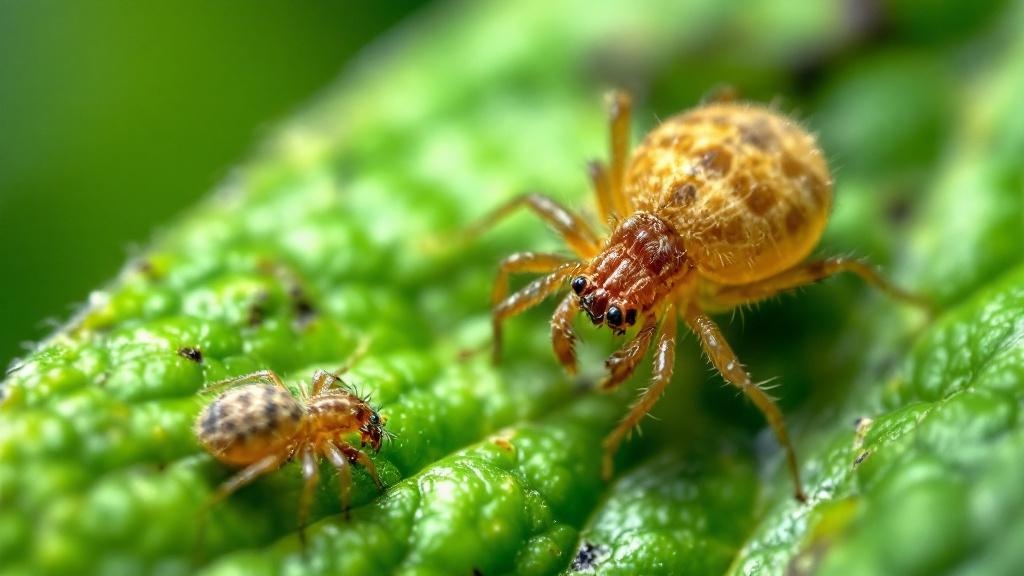
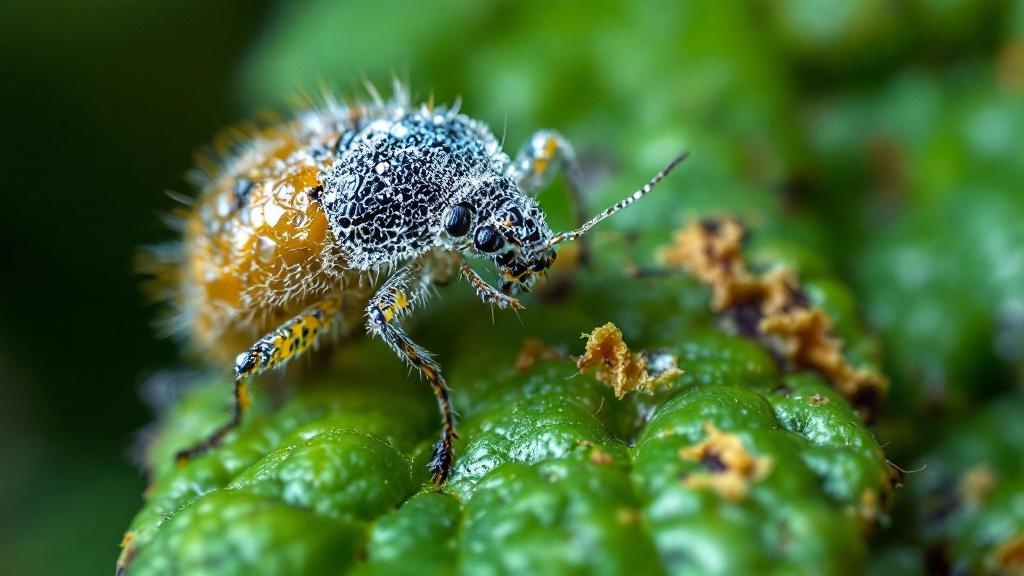
Mealybugs are soft-bodied sap-sucking insects that look like tiny tufts of white cotton or powdered sugar, clustering in leaf joints, along stems, and under leaves where they're hidden from view. They pierce plant tissues to feed on sap, weakening growth and excreting a sticky substance called honeydew that encourages black sooty mold—a visible sign that these pests have moved in. In temperate homes and greenhouses, mealybugs become active year-round indoors and outdoors from May through October, making them one of the trickiest indoor plant pests because they hide so well. The first sign you'll notice is usually the white, waxy coating itself, or sticky residue on leaves and surfaces below infested plants; if you see black sooty mold on otherwise healthy foliage, mealybugs are almost certainly the culprit.
Mealybugs are particularly damaging to succulents, orchids, citrus, and houseplants like African violets and begonias. What makes them different from spider mites or scale insects is their obvious white, cottony appearance and the fact that they're easy to remove with your fingernail or a damp cloth when caught early. However, they reproduce quickly in warm conditions and cluster in hard-to-reach places, so early detection and consistent monitoring—especially in winter when indoor heating creates ideal conditions—are your best defense.
🔍 How to identify
Fehér, vattaszerű csomók a levél hónaljakban, gyökérnyaknál, levelek fonákán. Lekapható, fehér viaszos por borítja. Mézharmat + korompenész kísérheti.
🌿 Common host plants
💊 Treatment
Alkoholos vattacsomó (70% izopropil). Káliszappan. Neemolaj. Cryptolaemus katicabogár biokontroll.
Imidakloprid (szisztemikus, öntözőlébe).
🛡️ Prevention
Új növény karantén. Rendszeres ellenőrzés, főleg a rejtett részeken.
Frequently asked questions
How fast do mealybugs spread and when is the real danger window?
A single female can lay 300-600 eggs in a waxy egg sac, hatching within 7-10 days in warm conditions; this means populations can double every 2-3 weeks if unchecked. Danger peaks from late spring through early autumn (May-October) outdoors, and year-round in heated homes, with critical windows in July-August and again indoors during winter heating season.
Can I save a badly infested plant or should I throw it away?
Even heavily infested plants can recover if you act fast and remain consistent. Remove the plant from others immediately, spray with 70% isopropyl alcohol on a cotton pad to wipe visible clusters, follow up with neem oil or potassium soap every 7-10 days for at least 3-4 weeks, and inspect twice weekly—most plants bounce back within 6-8 weeks of regular treatment.
What's the safest organic option if I have children or pets at home?
Rubbing alcohol (70% isopropyl) on a cotton swab applied directly to visible mealybugs is safest for homes with kids and pets because it evaporates quickly and has zero residue. For follow-up, potassium soap spray is also low-toxicity; neem oil works but has a strong smell and should be applied in the evening when children are in bed.
Do mealybugs overwinter in soil or on fallen leaves, and can I compost infested material?
Yes, mealybugs can survive winter in soil, on dropped leaves, and in bark crevices; never compost infected plant material or soil from infested pots. Always quarantine new plants for 2-3 weeks before placing them near your collection, inspect the root crown closely, and discard infested potting soil entirely rather than reusing it.
Are my other plants in danger, and how do I prevent spread?
Mealybugs spread readily through contact, on your hands, tools, and even by crawling short distances between touching leaves, so they're highly contagious in a crowded collection. Isolate infested plants immediately, wash your hands and tools with soap between handling plants, avoid moving healthy plants near infested ones, and inspect susceptible neighbors (succulents, orchids, citrus) weekly with a hand lens for early white clusters.
Not sure what's wrong? Take a photo!
Plantora's AI Plant Doctor identifies the issue from a single photo in seconds and gives you a tailored treatment guide.
Try AI diagnosis (free) →