Whitefly
📖 Overview
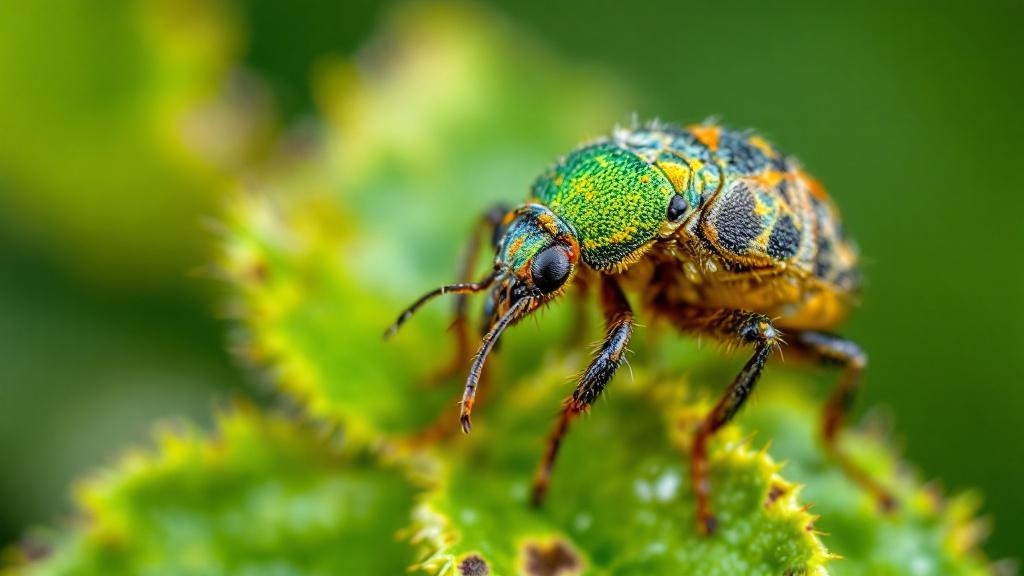
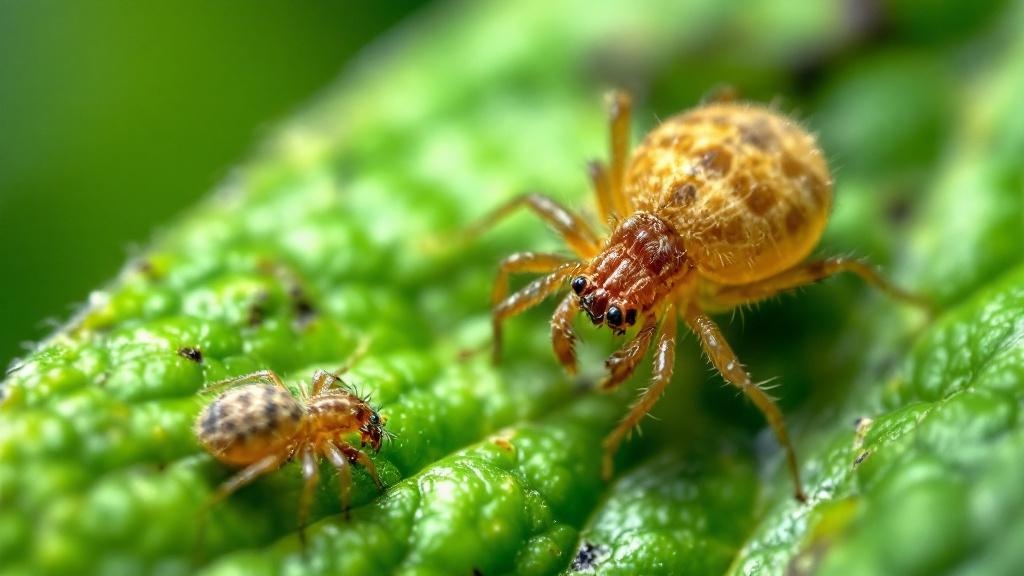
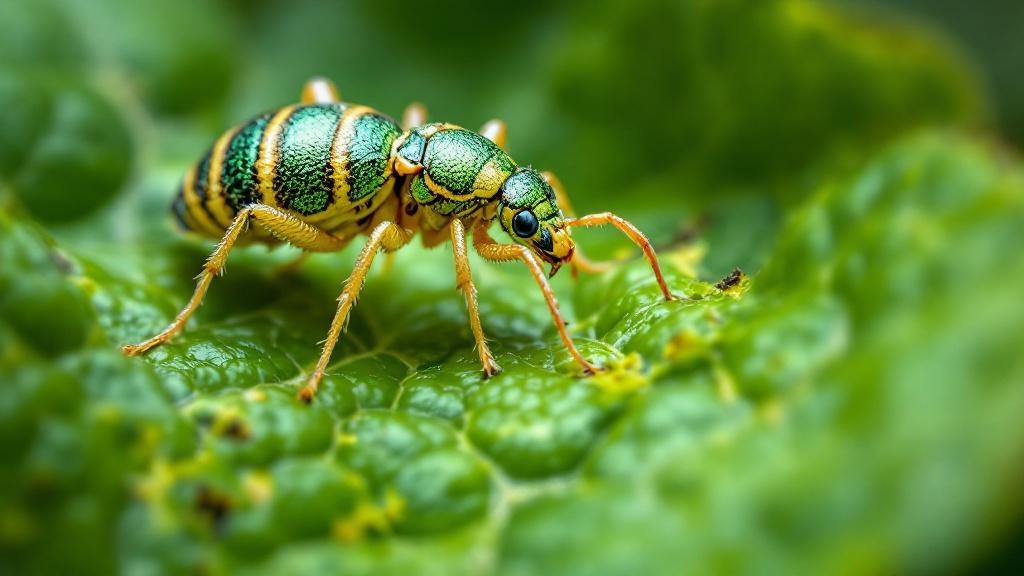
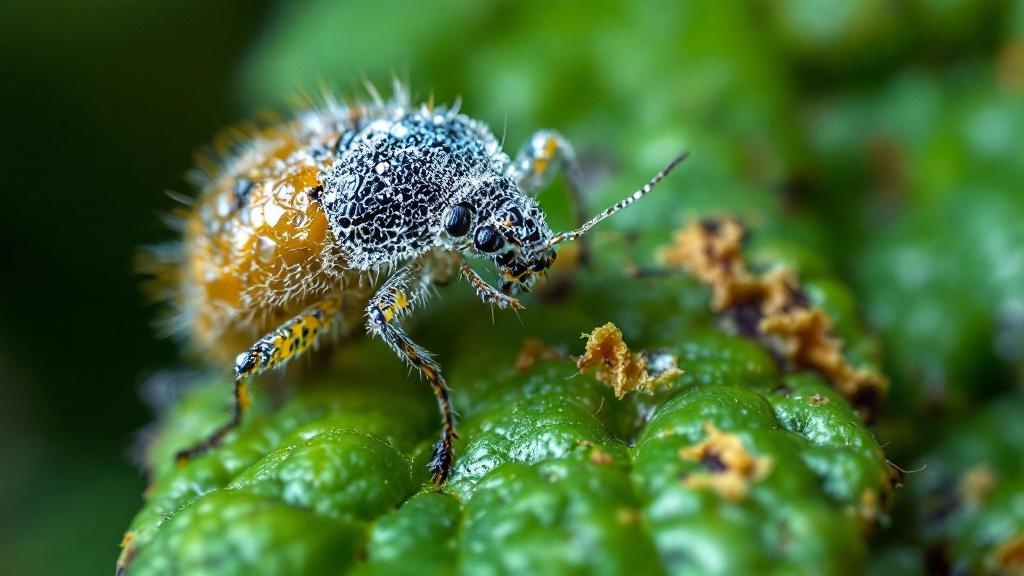
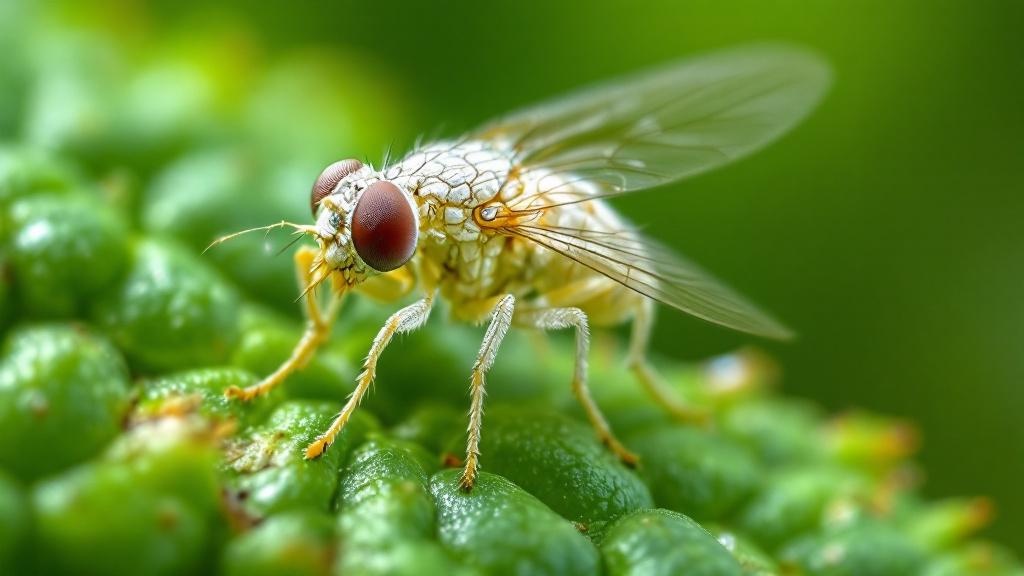
Whiteflies are tiny insects, barely 2 millimeters long, that cluster on the undersides of leaves and look like miniature white moths. When you brush a plant infested with whiteflies, they scatter into the air in a small cloud, which is often the first sign something is wrong. These pests are particularly troublesome because they feed by piercing leaf tissue and sucking sap, weakening plants while also transmitting viruses and leaving behind sticky honeydew that encourages sooty mold to develop. Whiteflies are a serious threat to greenhouse plants, tomatoes, peppers, eggplants, and brassicas like cabbage and broccoli, especially when grown indoors or in protected spaces where their natural enemies are absent.
Whiteflies emerge as a major problem from May through September in temperate climates, with peak populations typically occurring in July and August when warm, humid conditions accelerate their reproduction. The earliest sign to watch for is yellowing of lower leaves and a subtle stickiness on leaf undersides; if you observe these symptoms, examine the leaf bottoms closely with a hand lens and you'll spot the adults, nymphs, and eggs clustered together. This distinguishes whiteflies from spider mites, which prefer the upper leaf surface and cause fine webbing, or from thrips, which are slimmer and more active.
Whiteflies also differ from other sap-sucking pests because they leave behind a telltale trail of honeydew and subsequent black sooty mold, creating a distinctive grimy appearance. Once you spot the first cloud of insects when touching the plant, action within 7 to 10 days becomes critical because a single female can lay hundreds of eggs and populations double rapidly in warm weather. The good news is that whiteflies are manageable with early detection and consistent organic methods, especially if you combine yellow sticky traps with biological controls and regular monitoring.
🔍 How to identify
Apró (2 mm) fehér szárnyas rovarok a levelek fonákán; ha hozzányúlsz a növényhez, felhőként szállnak fel. Mézharmat + korompenész nyomok. Levelek sárgulnak.
🌿 Common host plants
💊 Treatment
Sárga ragacsos csapdák. Encarsia formosa parazita darázs. Neemolaj. Káliszappan.
Pymetrozin (Plenum), spirotetramat (Movento), acetamiprid.
🛡️ Prevention
Új növény karantén 2 hétig. Sárga csapdák preventív.
Frequently asked questions
How fast do whiteflies multiply and when is the danger window?
A single whitefly female can lay 200-300 eggs over her lifetime, and at 75°F (24°C) or warmer, populations can double every 7-10 days during peak summer. The critical danger window runs from May through September, with July and August representing peak pressure; infestations can spiral from a few insects to thousands in less than three weeks if left untreated.
Can I save a heavily infested plant or do I need to destroy it?
Even heavily infested plants can usually be saved if caught before they're completely defoliated, especially if you isolate them immediately and commit to weekly treatment for 4-6 weeks. Begin with yellow sticky traps and neem oil or potassium soap every 7-10 days; if the plant remains productive and isn't a virus vector for your other crops, persistence almost always wins, though you should quarantine it for at least 2-3 weeks to prevent spread.
What's the safest organic treatment for a garden with children and pets?
Yellow sticky traps are completely non-toxic and work well for early detection and light populations; for active control, potassium soap (plant-based insecticidal soap) is safe once dry and highly effective on soft-bodied stages. Neem oil is also pet and child-safe once dry, though it has a strong smell; apply both in early morning or late evening to avoid contact with playing areas, and always follow label rates for your specific plants.
Does whitefly overwinter in soil or on dropped leaves?
Whiteflies cannot survive freezing temperatures and do not overwinter as adults in temperate zones like yours; they die off in autumn frost, though pupae and nymphs on plant material can survive on greenhouse debris or on stored produce brought indoors. Remove all infested plant material in fall and compost it in a hot pile (above 60°C for 2+ weeks) or burn it; clean greenhouse surfaces and trellising thoroughly, and quarantine any new seedlings for 2 weeks before introducing them to the garden.
Is whitefly contagious to my other plants and what weather makes it worse?
Whiteflies are highly mobile and will readily colonize nearby plants, especially in warm greenhouses or sheltered indoor spaces; they can travel 10-15 meters on air currents and easily spread from infected seedlings to healthy neighbours. Warm (70-80°F / 21-27°C), humid conditions with low air movement create perfect breeding grounds, which is why they explode in midsummer indoors; improving ventilation and reducing humidity slightly helps slow their reproduction and makes treatment more effective.
Not sure what's wrong? Take a photo!
Plantora's AI Plant Doctor identifies the issue from a single photo in seconds and gives you a tailored treatment guide.
Try AI diagnosis (free) →