Aphids
📖 Overview
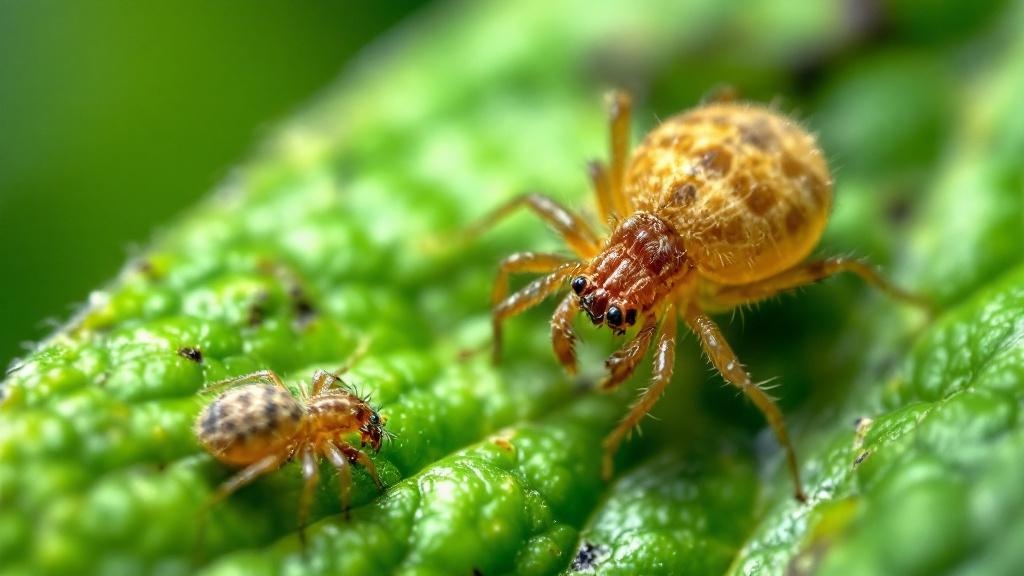
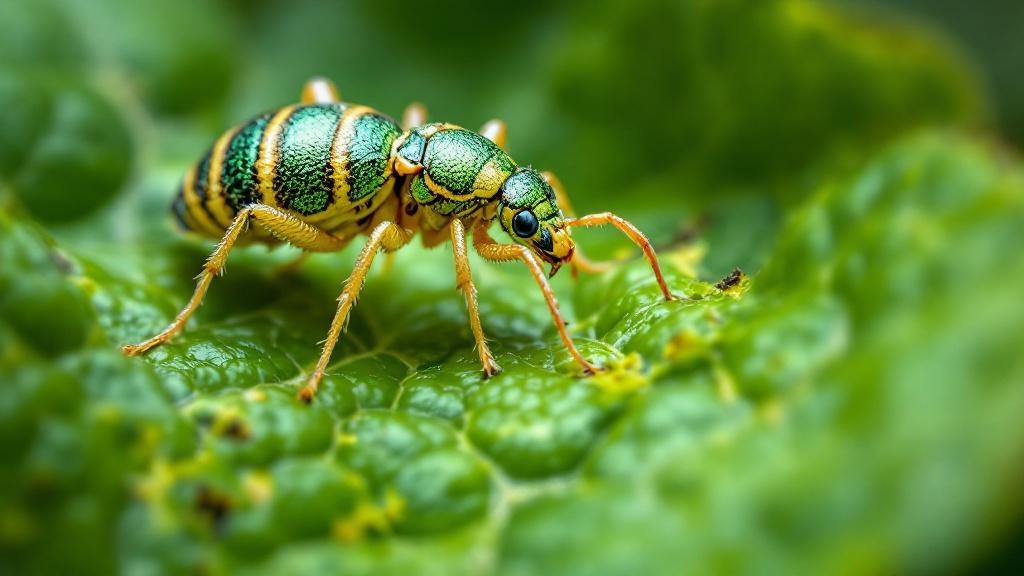
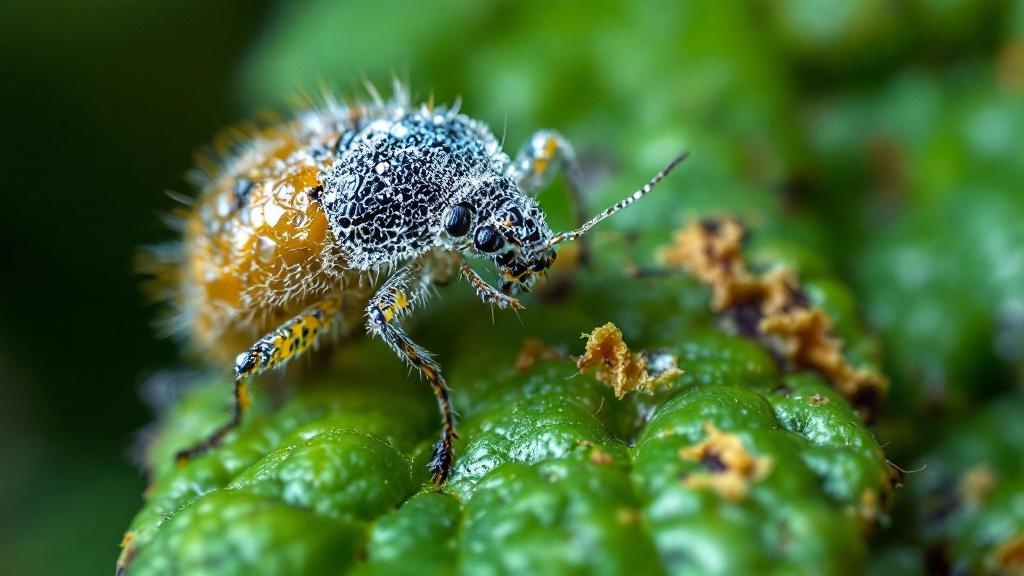
Aphids are tiny soft-bodied insects, typically 2–4 mm long, that cluster on young shoots and the undersides of leaves where they pierce plant tissue and suck out sap. They come in many colours—green, black, grey, or brown—and often go unnoticed until leaves start curling, puckering, or yellowing, or you spot a sticky residue called honeydew on foliage below. This honeydew is essentially aphid waste and can attract sooty mould, making leaves look dull and damaged. Aphids affect nearly every gardener at some point because they target roses, fruit trees, vegetables, ornamentals, and soft-leaved houseplants with equal enthusiasm.
Why it matters depends on what you're growing. On ornamentals and roses, aphids weaken plants, distort new growth, and reduce flowering. On vegetables and fruit trees, heavy infestations can stunt development or transmit viruses that cause far worse long-term damage—mosaics, yellowing, and permanent yield loss. The risk window in temperate climates runs from late spring through summer (May to September), with peaks in June–July when tender new growth is most appealing and temperatures favour rapid reproduction.
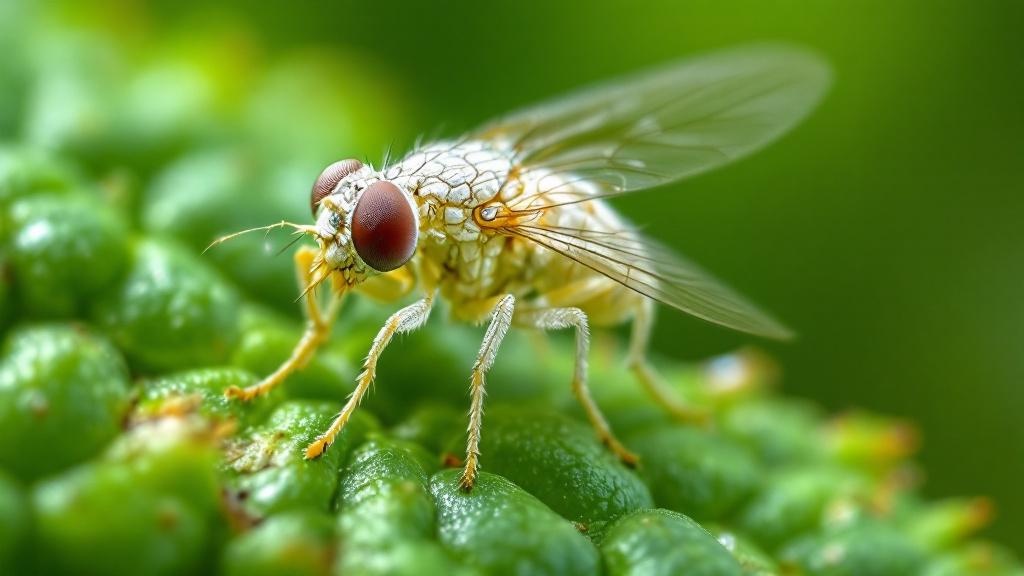
The first sign is usually a slight stickiness on leaves or noticing ants climbing your plants—ants actively farm aphids for their honeydew, protecting them from predators. You might also see curled or twisted new leaves before you spot the insects themselves. Telling aphids apart from other small pests is straightforward: look for their pear-shaped bodies and, critically, check for those two short tubes projecting from the rear end of their abdomen (called cornicles). Whiteflies are smaller and triangular; spider mites are even tinier and create fine webbing. Once you've confirmed it's aphids, you have many safe, effective options to regain control.
🔍 How to identify
Apró (2-4 mm) zöld/fekete/szürke/barna rovarok, általában csoportosan a fiatal hajtásokon és levelek fonákán. Mézharmat (ragacsos váladék) a leveleken. A levelek deformálódnak, fodrosodnak.
🌿 Common host plants
💊 Treatment
Erős vízsugárral lemosás. Káliszappanos zöldszappan oldat. Neemolaj (Naturalis-L). Katicabogár / fátyolka biokontroll. Nikotin-tea NEM legális.
Pirimikarb (Pirimor), acetamiprid (Mospilan). Méhekre veszélyes — virágzás idején NE.
🛡️ Prevention
Hangya-kontroll (ők hozzák fel). Vegyes ültetés (kapor, koriander vonzza a természetes ellenségeket).
Frequently asked questions
How fast do aphids multiply and when should I panic?
Aphids reproduce astonually fast in warm weather, producing a new generation every 7–10 days in June–July; a single female can birth dozens of live young without mating. If you spot a few dozen on a new shoot in May, act within a week; by mid-summer, ignoring even a small colony can lead to thousands within two to three weeks and noticeable plant damage.
Can I save a heavily infested plant or should I destroy it?
Most infested plants can be saved unless they're extremely weak or the infestation is combined with a virus. Start by spraying with a strong water jet every 3–4 days for 2–3 weeks, or use potassium soap solution weekly, and you'll recover 80% of plants; destroy only if the plant is already declining or if you'd rather start fresh.
What's the safest treatment if I have young children or pets in the garden?
Spray with a strong water jet from the hose to physically remove aphids, or use potassium soap (plant-based, low toxicity) every 7–10 days; both are completely safe once dry, pose no risk to kids or pets, and work best on small infestations. Neem oil (Naturalis-L) is also organic-approved but requires more careful timing and a few applications.
Do aphids survive winter in soil or on fallen leaves?
Most aphid species overwinter as eggs on woody stems and buds of trees and shrubs, not in soil; some species survive as adults in protected leaf litter. Clean up fallen leaves in autumn, prune out heavily infested twigs, and destroy them rather than composting, especially near fruit trees, to reduce next spring's population.
Why do ants seem to protect the aphids on my plants?
Ants actively tend aphids because honeydew (their waste) is a protein-rich food source; they defend aphids from predators in exchange. Breaking the ant trail with a sticky barrier around the base of the plant stem, or using ant baits nearby, removes this protection and makes aphids vulnerable to natural enemies like ladybirds, which will then control the population.
Not sure what's wrong? Take a photo!
Plantora's AI Plant Doctor identifies the issue from a single photo in seconds and gives you a tailored treatment guide.
Try AI diagnosis (free) →