Scale insects
📖 Overview
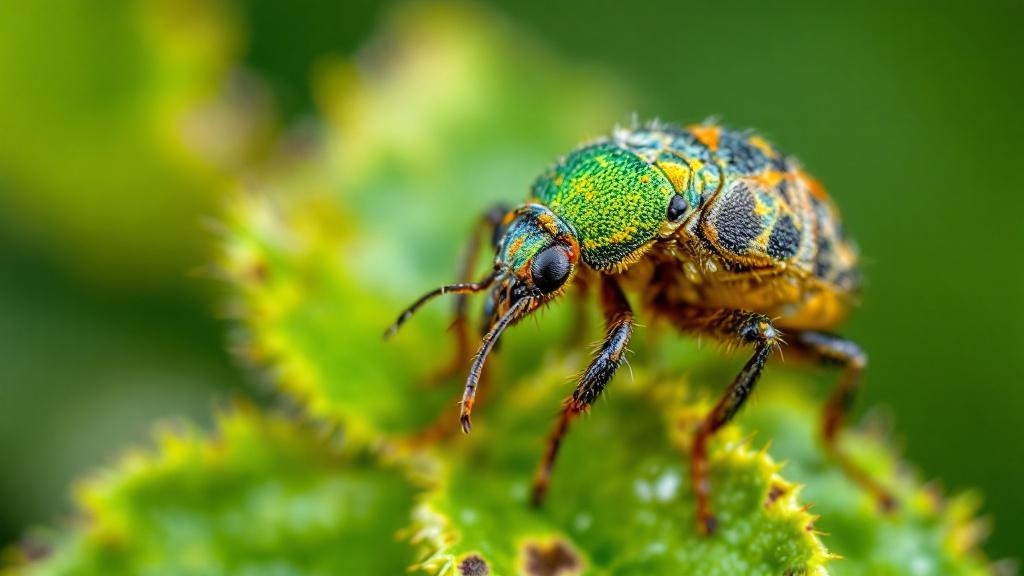
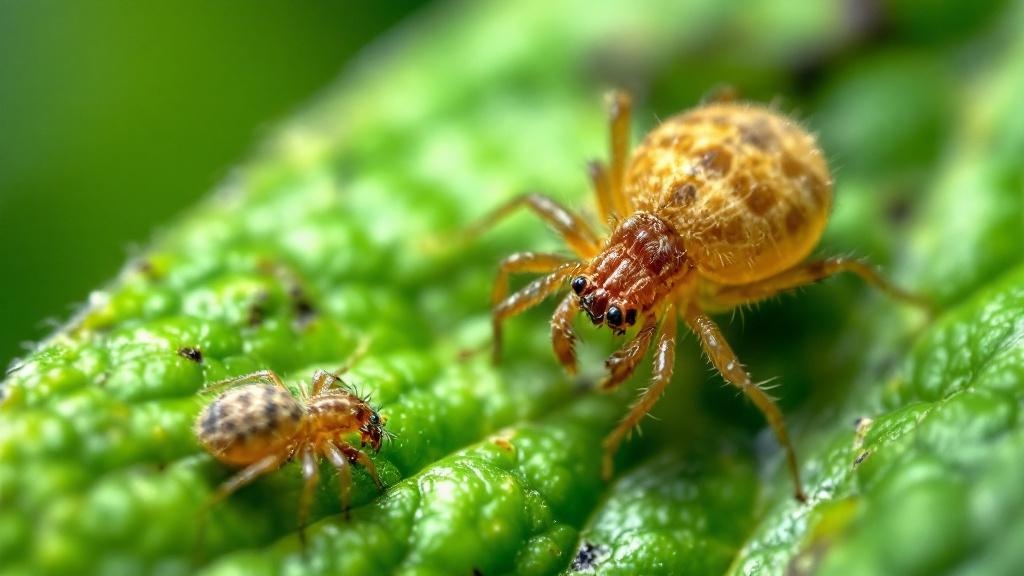
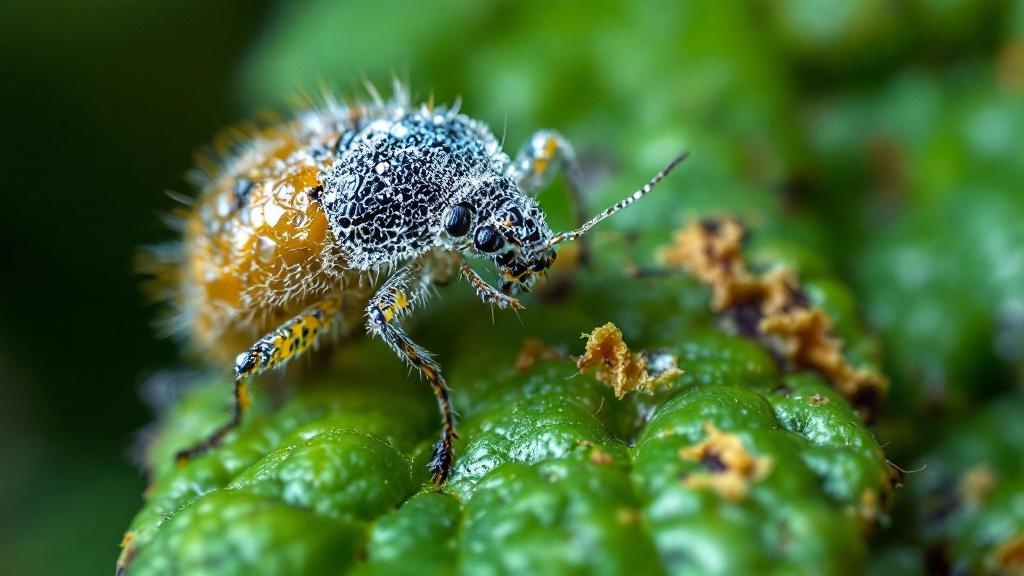
Scale insects are small, waxy, shield-like pests that cling to plant stems and leaf veins, looking like tiny bumps you might mistake for part of the plant itself. They're immobile once they settle, ranging from 2 to 5 millimetres across and coloured brown, grey, or white depending on the species. These pests are particularly common on indoor plants like citrus, orchids, ficus, and palms, where warm, stable conditions let populations build quietly over weeks or months. What makes scales dangerous isn't their speed—they spread slowly—but their resilience: a single overlooked insect can establish a foothold, and because they're protected by their waxy coating, they're notoriously hard to eliminate with surface treatments alone.
You'll first notice scales in late winter or early spring when you inspect the undersides of leaves or the base of stems during your regular plant check. Unlike spider mite damage or fungal spots, scale damage appears as sticky honeydew residue on lower leaves and stems, often followed by sooty mould; the scales themselves feel hard and don't rub off easily with a gentle touch. In a temperate climate, populations peak from April through September indoors, though they can persist year-round on houseplants. The critical window for catching them early is February to March, before they lay eggs and populations explode.
Scales are most problematic on tender indoor plants and citrus in conservatories or warm rooms, where natural predators are absent and the stable temperature allows continuous breeding. On outdoor plants in zones 5 to 8, winters are usually cold enough to suppress them, but indoor specimens—especially orchids and palms—face relentless pressure. The key to control is early detection and systematic treatment, because a mature scale population demands either repeated organic applications or a single systemic chemical intervention to penetrate the plant's vascular system and reach hidden insects.
🔍 How to identify
Páncélos, mozdulatlan, ovális/kerek "pikkelyek" (2-5 mm) a száron és levelek erein. Barnás, szürke, vagy fehér viaszos. Lekapható (ha pajzstetű) körömmel.
🌿 Common host plants
💊 Treatment
Alkoholos vattacsomó (70% izopropil) — egyenként letörlés. Olajos szappan. Káliszappan. Beltéri növénynél rendszeres ellenőrzés.
Imidakloprid (Confidor) öntözőlébe, szisztemikusan. Acetamiprid.
🛡️ Prevention
Új növény karantén. Levél fonák rendszeres ellenőrzése.
💡 Notes
Lassan terjednek, de gyökeresen nehéz kiirtani — szisztemikus kezelés kell.
Frequently asked questions
How do I know if I have scale insects and not just plant bumps or old leaf scars?
True scales have a soft body underneath the hard coating and will leave a yellow or orange smear if you crush one with your fingernail—plant bumps won't. Try gently scraping one off with a fingernail; if it comes away cleanly and leaves a sticky spot beneath, it's a scale. Real plant bumps or lenticels don't move and don't leave residue.
Can I save a heavily infested plant or should I throw it away?
You can save a heavily infested plant, but it requires commitment: isolate it immediately from other plants, treat it with systemic insecticide (like imidacloprid in the soil) or repeated alcohol-soaked cotton swabs every 7 to 10 days for 6 to 8 weeks, and inspect it weekly. If the plant is weak or the infestation covers more than half the visible surface, disposal may be more practical for your peace of mind.
What's the safest way to treat scales on a houseplant if I have young children or pets?
Start with 70% isopropyl alcohol on a cotton ball, wiping each visible scale individually once or twice weekly—this is slow but safe and avoids spraying toxins indoors. Alternatively, neem oil or potassium soap sprays applied to the affected areas are organic and low-toxicity; apply in the evening when children are asleep and allow the plant to dry fully before anyone handles it. Keep treated plants out of reach until completely dry.
Do scale insects overwinter in soil or on fallen leaves, and can I get rid of them by repotting?
Scales don't thrive in soil itself, but they can hide under the rim of the pot, in cracks, or on the base of the stem at soil level—places you must check carefully. Repotting into fresh soil and a clean pot helps, but it won't cure an infestation alone; you must treat the plant itself with systemic insecticide or persistent manual removal because the insects are on the aerial parts of the plant.
Will my other houseplants catch scale insects if one plant is infested?
Yes, scales spread slowly but steadily if plants touch or if you move between them without washing your hands; they crawl or drift on air currents, especially during the crawler stage (late spring and summer). Quarantine any infested plant immediately in a separate room, treat it aggressively, and don't move it near other plants for at least 8 weeks.
Not sure what's wrong? Take a photo!
Plantora's AI Plant Doctor identifies the issue from a single photo in seconds and gives you a tailored treatment guide.
Try AI diagnosis (free) →