Spider mites
📖 Overview
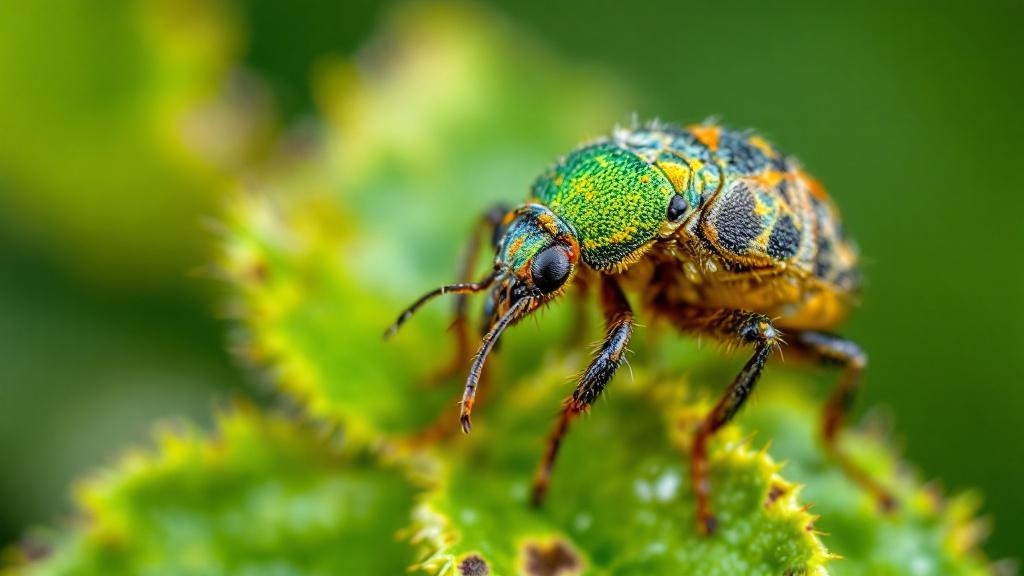
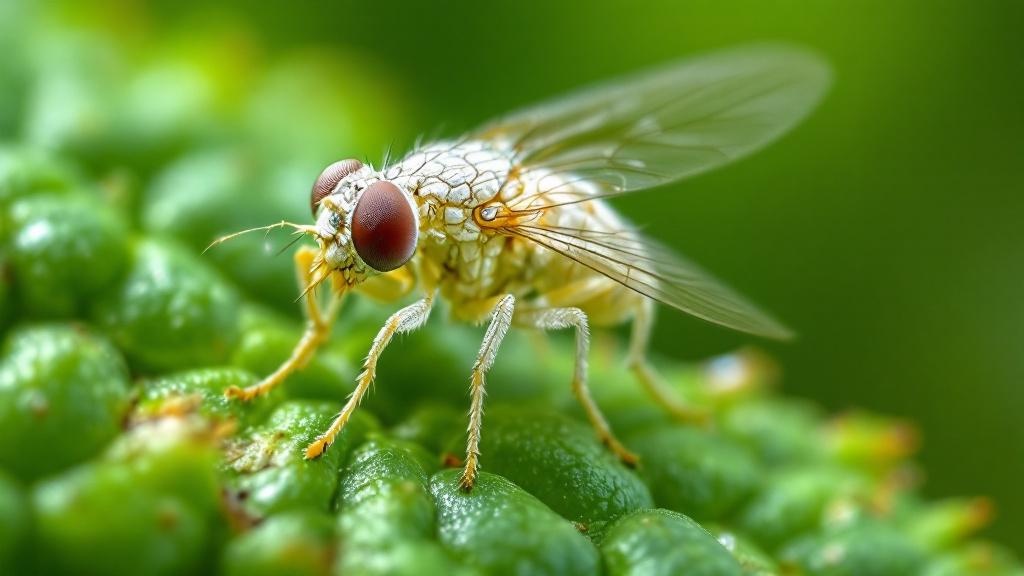
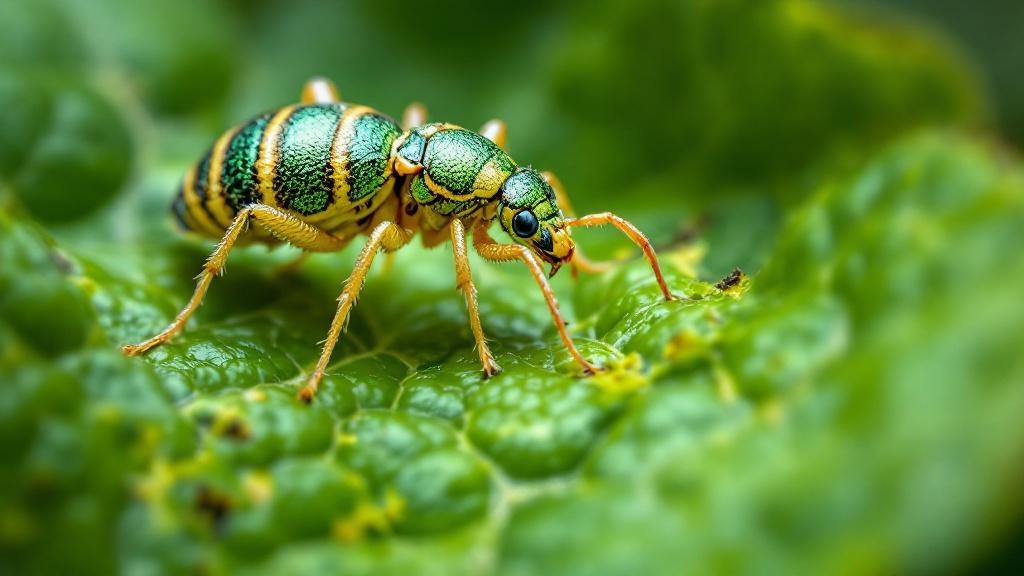
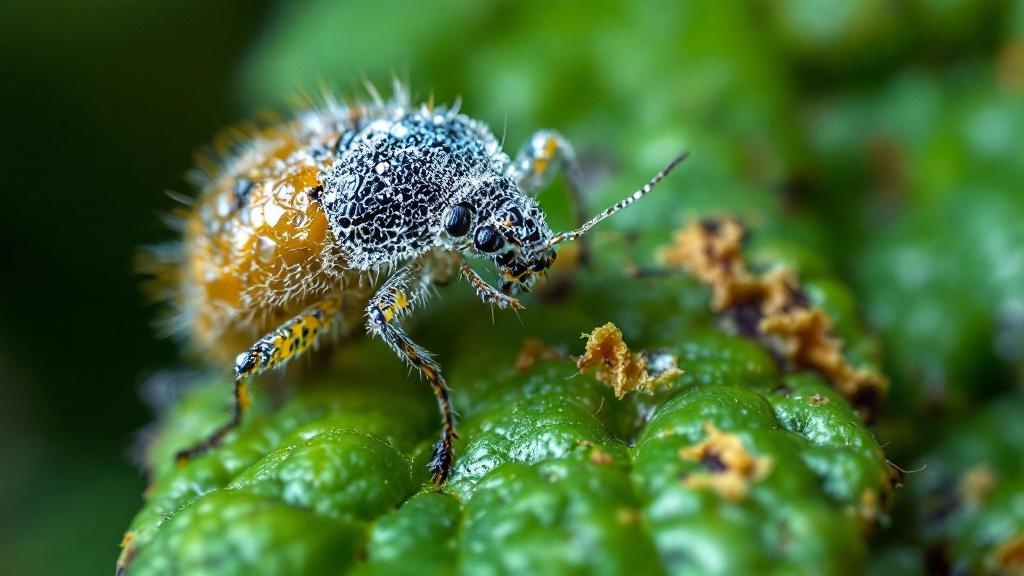
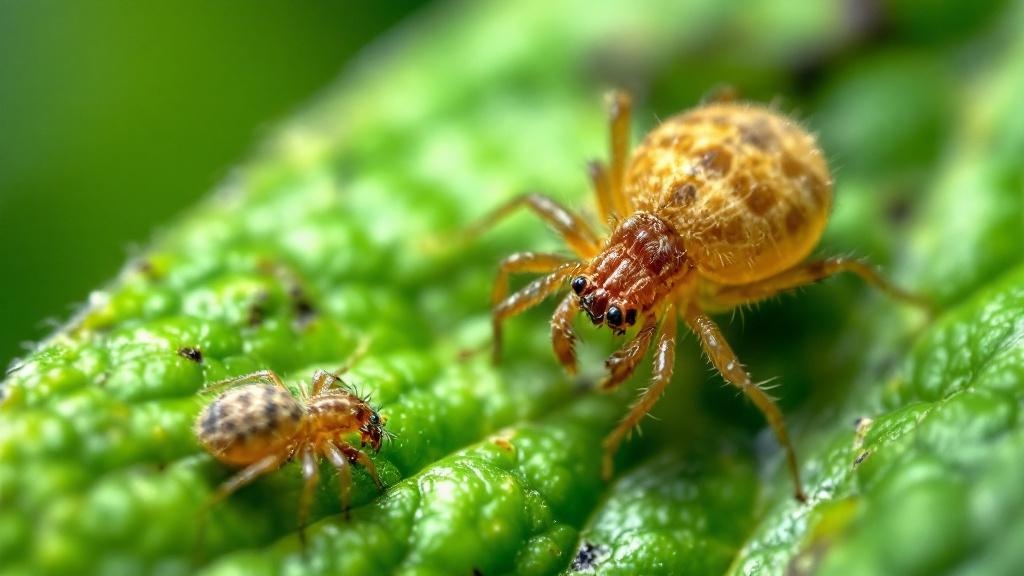
Spider mites are tiny arachnids, barely visible to the naked eye, that pierce leaf cells and suck out the contents, leaving behind stippled yellow or white spots that look like fine needlework damage. In severe infestations, you'll notice delicate webbing on the undersides of leaves and shoot tips, especially in hot, dry conditions. These pests matter because they can rapidly weaken a plant's ability to photosynthesize, causing leaves to yellow, wilt, and drop—and they attack a huge range of hosts, from indoor houseplants to outdoor tomatoes, beans, pelargoniums, and fruit trees.
Spider mites thrive in temperate climates during hot, dry spells, typically from June through September when indoor heating or outdoor heat stress creates ideal conditions. The first warning sign is always those tiny yellow or white dots scattered across leaf surfaces, usually starting on the lower leaves. At this stage, the mites themselves are nearly impossible to spot with the naked eye, but if you hold a leaf over white paper and tap it gently, living mites may fall and appear as moving pinpoints.
The key to telling spider mites apart from other leaf damage is the pattern: the stippling is very fine and uniform, and it clusters on the undersides of leaves where the webbing—if present—is most obvious. Nutrient deficiencies or sunburn create damage too, but they lack the webbing and won't worsen as rapidly. Early detection is everything with spider mites, because once populations explode, they can strip a plant within weeks.
🔍 How to identify
Apró sárga/fehér pöttyök a leveleken (mint tűszúrás). Erős fertőzöttségnél finom pókháló a levelek fonákán és a hajtásvégeken. Maga az atka <1mm, szabad szemmel alig látható (vörös/sárgás).
🌿 Common host plants
💊 Treatment
Magas páratartalom (atka száraz levegőt szereti). Káliszappanos zöldszappan + olaj. Neemolaj. Predátor atka (Phytoseiulus persimilis).
Abamectin (Vertimec), spirodiklofén (Envidor). Rezisztencia gyakori — rotáció szükséges.
🛡️ Prevention
Magas pára, vízsugaras lemosás hetente. Beltéri növénynél permetezés.
Frequently asked questions
How fast do spider mites spread and when is the critical window to act?
Spider mites can double their population every 5-7 days in warm conditions (above 25°C), so a small outbreak becomes severe within 2-3 weeks if left untreated. The danger window runs from June through September in most temperate climates, with peak activity in July-August; start monitoring indoor plants year-round since heated homes create ideal habitat even in winter.
Can I save a heavily infested plant or should I throw it away?
Even badly infested plants can usually be saved if caught before the majority of leaves drop. Isolate the plant immediately, spray thoroughly with water to remove debris and mites, then treat weekly with an organic option like potassium soap spray or neem oil for 3-4 weeks, or use predatory mites if you're patient. Discard only if the plant has lost more than 60-70% of its foliage and shows no new growth within 2-3 weeks of treatment.
What's the safest organic approach for a home with kids and pets?
High humidity is your first line of defense—mites hate moisture, so mist plants daily or place a humidifier nearby, and rinse leaves with water once a week to physically remove mites and their webbing. If that's not enough, potassium soap spray (soft soap) applied every 7-10 days is low-toxicity and safe around children and pets when dry; neem oil is also organic-approved but requires good ventilation and shouldn't be used on plants in full sun. For severe cases, release predatory mites (Phytoseiulus persimilis), which are completely non-toxic and very effective indoors.
Do spider mites overwinter in the soil or on fallen leaves?
Spider mites do not overwinter in soil, but they survive on plant debris and in protected spots like cracks in pots, greenhouse structures, or under bark on fruit trees. In autumn, remove and destroy heavily infested leaves, clean pots and stakes thoroughly, and prune out any webbing; do not compost infested material as mites may survive and spread to your garden next season.
Which weather conditions trigger a spider mite outbreak?
Hot (above 25°C), dry air is the perfect storm for spider mites—indoor heating in winter and drought stress or heat waves in summer both create ideal conditions. High humidity and cool nights suppress them, so early morning watering, misting, and good air circulation around plants are preventative. If your summer is dry or you're running indoor heat without a humidifier, monitor weekly starting in late spring.
Not sure what's wrong? Take a photo!
Plantora's AI Plant Doctor identifies the issue from a single photo in seconds and gives you a tailored treatment guide.
Try AI diagnosis (free) →