Overwatering
📖 Overview
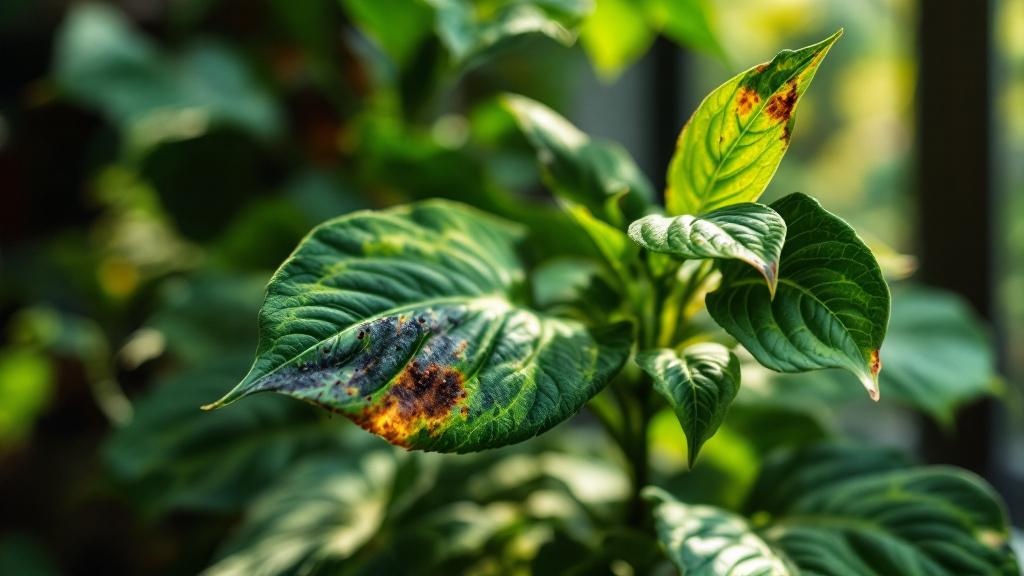
Overwatering is one of the most common killers of houseplants, and the irony is that it comes from good intentions. Unlike drought, which develops slowly and visibly, waterlogged soil suffocates roots within days or weeks, turning them into a mushy brown pulp that can no longer absorb nutrients or water. This is why a plant that looks thirsty might actually be drowning. The damage happens underground first, so by the time you notice yellowing lower leaves and soft stems, root rot may already be well underway.
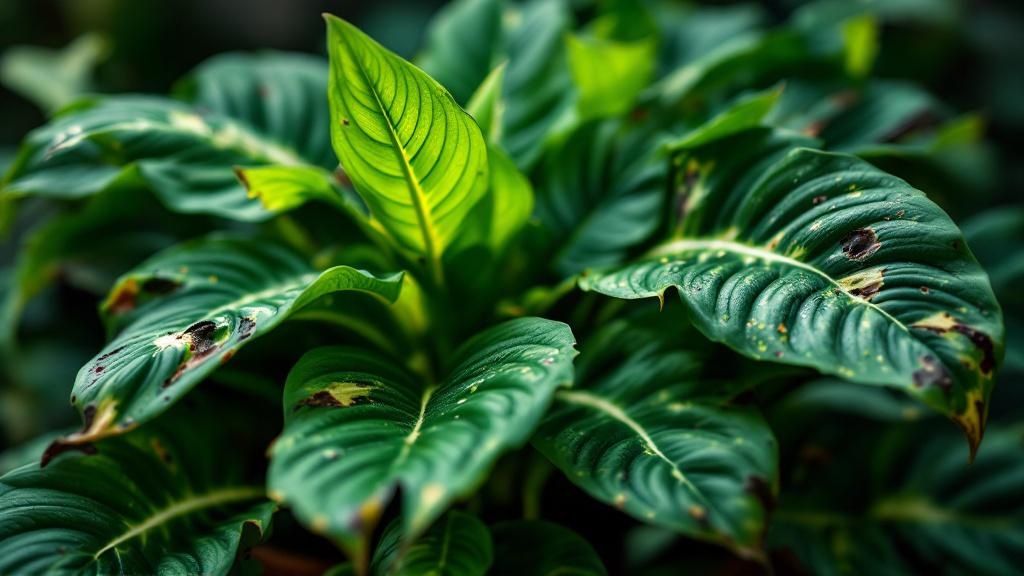
This problem strikes hardest during the growing season—spring through early autumn—when we're most tempted to water regularly. It's especially dangerous for succulents, orchids, and cacti, which evolved in dry climates and store water in their tissues; these plants can rot within weeks of persistent wet soil. Even moisture-loving houseplants like ferns struggle if their pots lack drainage. The first sign is usually lower leaves turning yellow and feeling soft or translucent rather than crispy, often coupled with a musty, earthy smell from the soil itself.
The key to telling overwatering apart from other problems is the combination of yellow leaves AND soft tissues AND consistently damp soil. Underwatering also yellows leaves, but those leaves dry out and crumble; overwatered plants remain limp and waterlogged. Root rot from fungal disease looks similar underground, but overwatering is the environmental trigger that allows those fungi to invade in the first place. Once you recognize the pattern—wet soil, weak growth, mushy stems—the fix is straightforward: stop watering, improve drainage, and give the plant time to recover.
🔍 How to identify
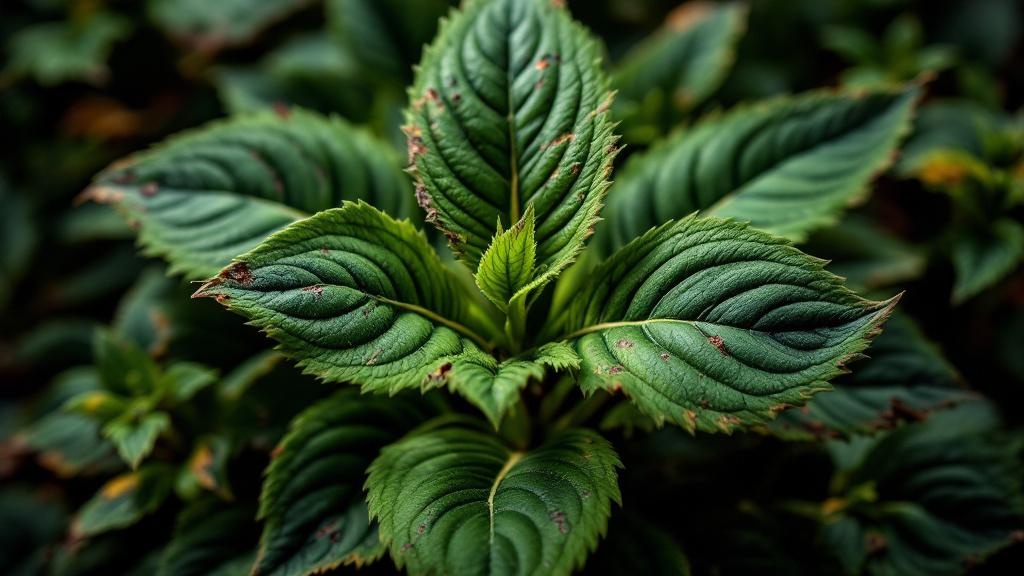
Az alsó levelek sárgulnak, MEGPUHULNAK (nem szárazak). A talaj állandóan nedves. Néha cseréptál vízben áll. Gyökerek barnák, puhák — gyakran másodlagosan gyökérrothadás (lásd ott).
🌿 Common host plants
💊 Treatment
Cseréptálból leengedni a vizet. Növényt hagyni TELJESEN kiszáradni. Ha gyökér rothad → repot száraz földbe.
Nincs.
🛡️ Prevention
Csak akkor önts, ha a felső 2-3 cm száraz. Drenázs lyuk + kavics a cserép aljára. Téli pihenőben FELE annyit önts.
Frequently asked questions
How can I tell if my plant is overwatered or just thirsty?
Overwatered plants have soft, translucent yellow leaves and a musty soil smell; underwatered plants have dry, crispy, papery leaves that crumble. The most reliable test is to check the soil—if the top 2-3 cm is still moist, do not water, no matter what the leaves look like. Underwatered plants will recover noticeably within a day or two of watering; overwatered plants need weeks to dry out and may need repotting to save them.
If the roots are already rotted, can I save the plant?
Yes, often you can, but you must act quickly once you spot mushy brown roots. Remove the plant from its pot, cut away all soft, dark root tissue with clean scissors, repot it into fresh dry soil in a smaller pot with drainage holes, and do not water for at least a week. Check the soil daily—if the top inch feels dry, you're on track. Many plants recover within 3-4 weeks, but severely rotted plants may not survive.
What's the safest watering schedule for houseplants if I'm worried about overwatering?
The golden rule is to water only when the top 2-3 cm of soil feels dry to the touch; this usually means every 7-14 days during the growing season (April through September) depending on pot size and temperature. In winter, reduce watering to half that frequency or less, since growth slows and water evaporates slowly. Succulents and cacti should dry out almost completely between waterings. Always use pots with drainage holes and water until it drains from the bottom, then discard any standing water.
Does overwatering damage happen quickly or slowly?
Root rot can develop rapidly—within 1-2 weeks of constantly wet soil in cold conditions, or 3-4 weeks in warmer weather—but the plant's above-ground symptoms lag behind. You might not notice yellowing leaves or soft stems for 2-3 weeks after roots begin to rot, which is why prevention is far easier than cure. The moment you see limp, yellowing growth and smell damp earth, stop watering and check the roots immediately.
What's the best way to prevent overwatering without having to think about it too much?
Use pots with drainage holes and a saucer to catch excess water—empty that saucer within 30 minutes of watering so roots never sit in standing water. Place a 2-3 cm layer of gravel or clay pellets at the bottom of the pot to improve airflow around roots. In winter, reduce watering to once every 2-3 weeks for most houseplants, and check the soil moisture before each watering rather than watering on a fixed schedule. A simple moisture meter (available at any garden center) removes the guesswork and costs only a few euros.
Not sure what's wrong? Take a photo!
Plantora's AI Plant Doctor identifies the issue from a single photo in seconds and gives you a tailored treatment guide.
Try AI diagnosis (free) →