Low humidity stress
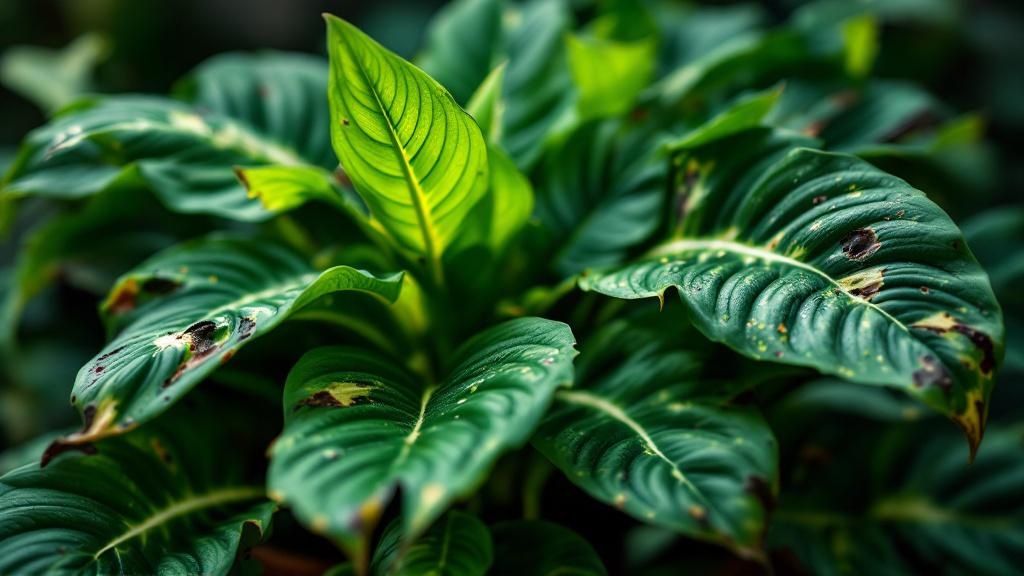
📖 Overview
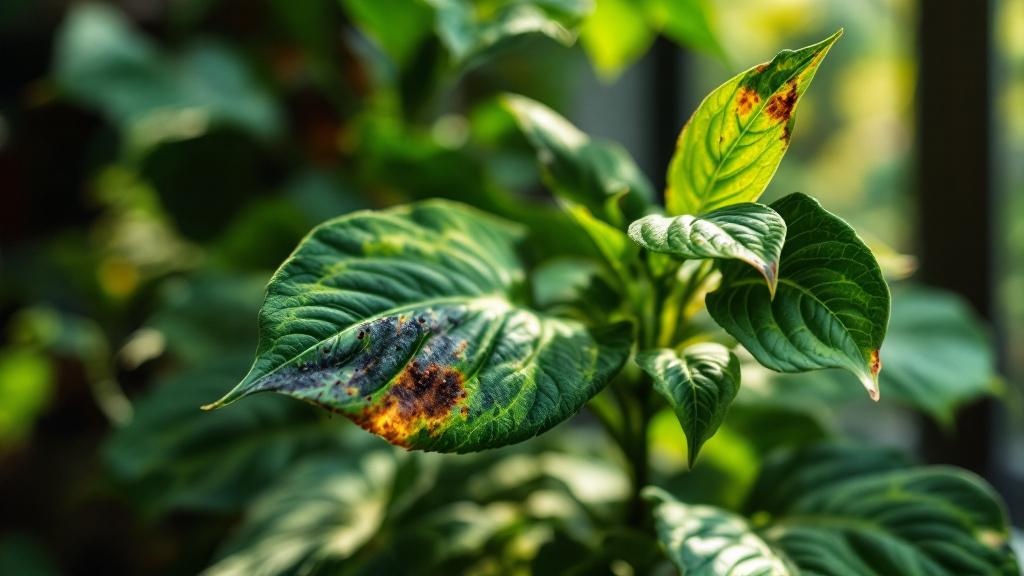
Low humidity stress is an environmental condition where the air around your houseplants becomes too dry, causing them to lose water faster than their roots can replace it. You'll notice leaf edges and tips turning brown and papery while the leaf centers remain green and healthy—it's the plant's way of shutting down the outer tissues to conserve moisture. This problem is particularly common in temperate homes during winter heating season (November through March), when indoor air humidity can plummet to 20-30%, far below what tropical plants need.
Tropical houseplants like orchids, Calathea, Maranta, and ferns are the most vulnerable because they evolved in humid rainforest environments where humidity rarely drops below 60-70%. When your home's heating runs constantly, it strips moisture from the air and dries out these plants' foliage, roots, and potting mix. The problem matters because persistent low humidity weakens plants, makes them more susceptible to spider mites and other pests, and can eventually cause leaves to drop and buds to fall without opening.
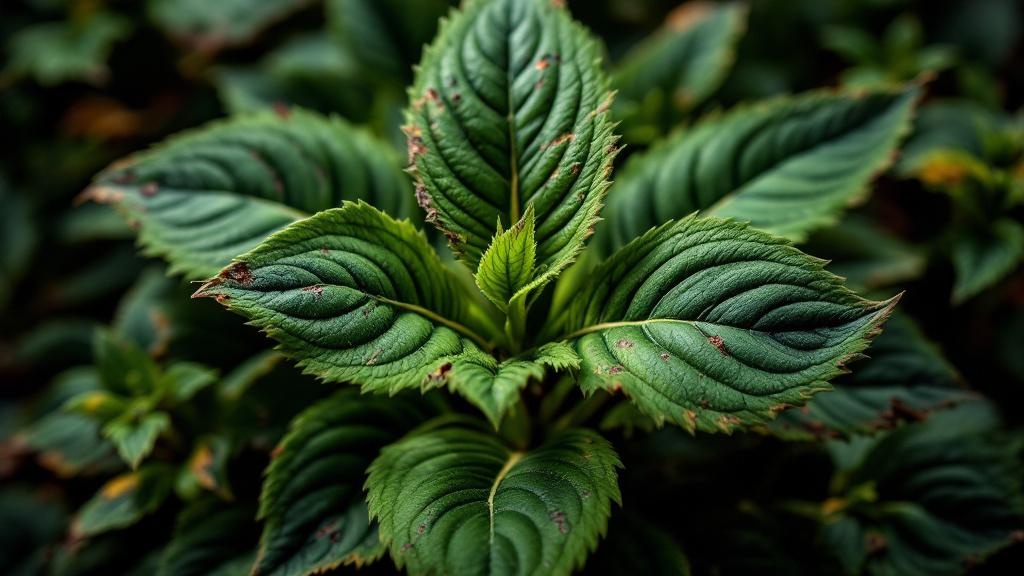
The first sign to watch for is browning at leaf tips and along the margins—this drying usually starts on older leaves first. It's easy to confuse with watering issues, but the key difference is that overwatered plants show yellowing throughout the leaf or brown patches in the center, while humidity stress creates that distinctive crispy, papery edge. If you're seeing this pattern during winter months, especially near radiators or heating vents, low humidity is almost certainly your culprit rather than a disease or pest.
🔍 How to identify
Levél SZÉLEK és HEGYEK barnán száradnak, beszáradnak. A levél középső része egészséges marad. Téli fűtési szezonban tipikus.
🌿 Common host plants
💊 Treatment
Párologtató. Csoportos elhelyezés (egymás "mikroklímáját" növelik). Tálca + kavics + víz a növény alatt (a cserép NE érje a vizet).
Nincs.
🛡️ Prevention
Trópusi növényeknek 50%+ páratartalom. Téli ablakpárkány = veszélyes (radiátor + száraz levegő).
Frequently asked questions
How can I tell if low humidity is the problem and not a watering issue?
Low humidity causes browning specifically at leaf edges and tips while the leaf remains otherwise green and healthy; overwatering causes yellowing or soft brown patches throughout the leaf, often with a mushy feel. Check your potting mix too—if it's soggy, it's overwatering; if it's evenly moist or even on the dry side but your plant still has crispy edges, humidity is the problem.
What's the fastest way to raise humidity without fancy equipment?
Group plants together closely so their transpiration creates a shared microclimate, and place each pot on a tray filled with gravel or pebbles, then add water below the gravel level—the pot itself should sit on the gravel, not touch the water directly, to avoid root rot. This simple setup can boost local humidity by 15-20% within days.
Is low humidity dangerous to my other plants, or only tropical ones?
Hardy houseplants like pothos, snake plants, and ZZ plants tolerate dry air fairly well, but tropical species—orchids, ferns, Calathea, and Maranta—suffer first and fastest. If your home humidity is below 40%, even succulents can eventually show stress, though they're far more forgiving than rainforest plants.
Can I save a plant that already has brown crispy leaves, or do I cut them off?
Once a leaf edge is brown and papery, that tissue is dead and won't recover, but you can trim those edges with clean scissors and the plant will continue to grow new healthy leaves if you improve humidity. Don't remove the entire leaf unless it's mostly brown; removing green tissue weakens the plant further.
Does moving my plant away from the radiator or windowsill actually help, and how long before I see improvement?
Yes—moving tropical plants away from direct radiator heat and drafty winter windowsills within 24-48 hours of repositioning can stop new damage from forming. You'll see fresh new growth emerge without brown edges within 2-3 weeks if humidity stays above 50%, though existing brown tips won't turn green again.
Not sure what's wrong? Take a photo!
Plantora's AI Plant Doctor identifies the issue from a single photo in seconds and gives you a tailored treatment guide.
Try AI diagnosis (free) →