Frost damage

📖 Overview
Frost damage occurs when temperatures drop below freezing and ice crystals form inside plant cells, rupturing their walls and collapsing the tissue. It's one of the most sudden and dramatic plant injuries a gardener can witness, especially in temperate zones where late spring frosts or early autumn freezes catch tender plants off-guard. The damage matters most to frost-sensitive species like figs, citrus, pelargoniums, and oleanders that thrive in your garden during warm months but have no tolerance for hard freezes. In Central Europe and zones 5-6, the danger window typically runs from mid-October through April, with secondary risk during April-May when unseasonable cold snaps follow mild spells that have already stimulated new growth.
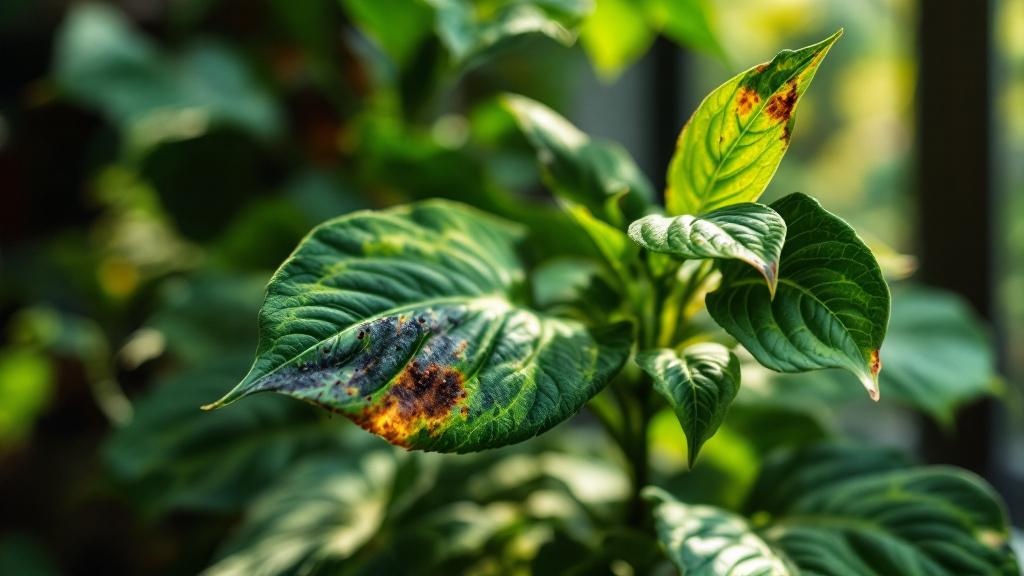
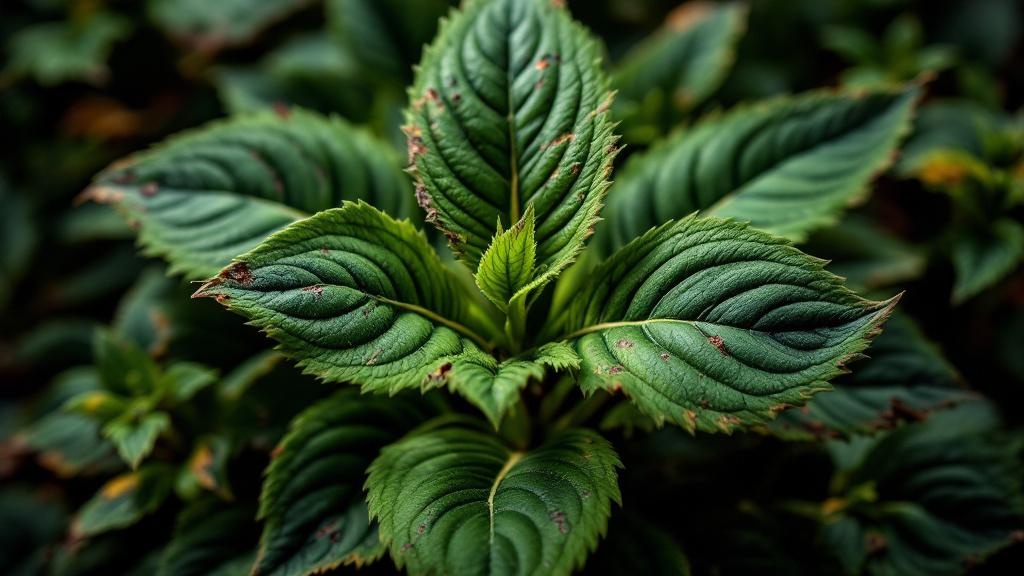
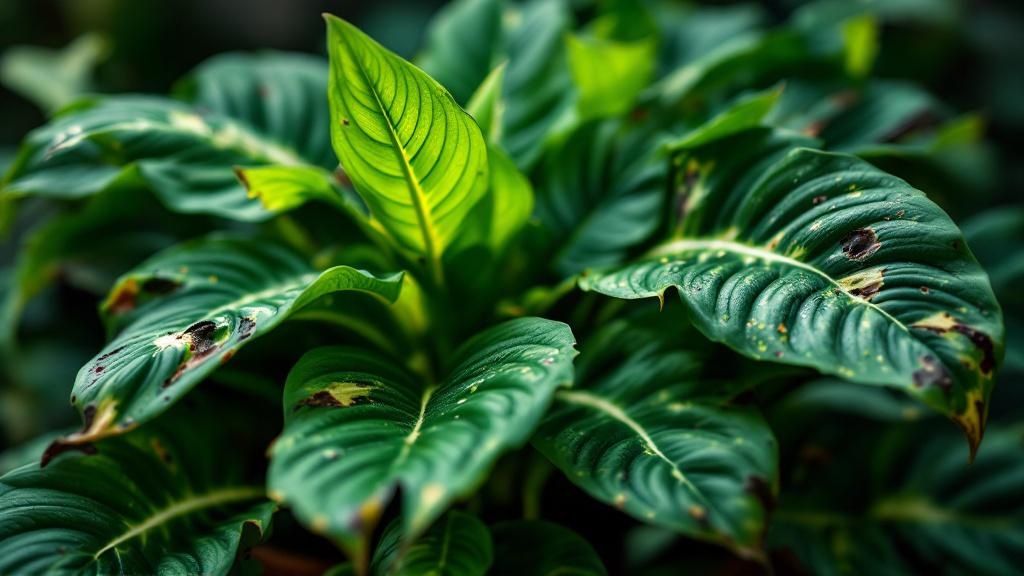
The first sign you'll notice is leaf tissue turning dark, waterlogged, and translucent within hours of a frost event—as if the leaves have been briefly boiled. This distinctive "cooked" appearance is the hallmark of ice crystal formation inside cells. Within 24-48 hours, affected areas turn brown and papery. In severe freezes, the entire shoot or even the whole plant above ground collapses and blackens, though the roots may survive and resprout in spring.
Frost damage is easy to distinguish from disease or pest damage because it appears suddenly after a known cold night, affects exposed plants uniformly, and shows that characteristic waterlogged-then-brown progression. Unlike fungal leaf spots or insect feeding, there are no holes, rings, or gradual yellowing beforehand. The damage is uniform across a plant rather than patchy, and it strikes tender growth hardest—new spring leaves and soft shoots are far more vulnerable than woody stems or tough, mature foliage.
🔍 How to identify
Levelek elsötétednek, vizesedők, majd barnák lesznek. Gyakran "főtt" megjelenés. Olvadás után puhulnak. Súlyos esetben az egész növény visszafagy a talajig.
🌿 Common host plants
💊 Treatment
Várj 2-3 hetet a metszéssel — a tényleges kár csak akkor látszik. Fagy után vízzel ne öntözz, hagyd a növényt magához térni.
Nincs.
🛡️ Prevention
Klímának megfelelő fajta. Téli takarás (juta, agro-textil). Magyar tél esetén USDA 5-6 zóna.
Frequently asked questions
When exactly should I check my plants after a frost, and how do I know if they'll recover?
Wait 2-3 weeks before making any cuts or removal decisions, because the full extent of frost damage only becomes clear as dead tissue browns completely and you can see where green growth begins below. Many plants resprout from undamaged wood or roots even if the above-ground portion looks entirely blackened, so patience is critical here.
Should I water my frost-damaged plant right after the freeze?
No—avoid watering immediately after frost. The plant is in shock and excess moisture on damaged tissue encourages rot; instead, let the plant dry out slightly and recover on its own for several days before resuming normal watering once new growth begins to emerge.
Which tender plants in my zone really need winter protection, and is burlap or frost cloth worth the effort?
In zones 5-6, figs, citrus, pelargoniums, and oleanders are the main candidates for winter wrapping. Yes, frost cloth (agrotextile) or burlap is absolutely worth using—it can raise the microclimate around the plant by 2-5°C on a critical night and is the difference between survival and loss for borderline-hardy plants.
If my fig tree or citrus was killed back to the ground, will it grow again from the roots?
Often yes, if the roots survived—and they usually do unless the soil froze deep or the plant sat in ice water. Figs and citrus roots are hardier than the above-ground wood, so cut away all dead growth in spring and wait for new shoots from the base; full recovery may take 1-2 seasons.
How do I choose frost-resistant varieties to avoid this problem altogether?
Look for varieties rated for at least one zone colder than your area (so zone 4 varieties for zone 5-6), and seek out local nurseries in your region—they stock proven survivors for your specific climate. Hardier fig cultivars like 'Chicago Hardy' and cold-tolerant citrus types grafted on hardy rootstock are excellent choices for zone 5-6 gardens.
Not sure what's wrong? Take a photo!
Plantora's AI Plant Doctor identifies the issue from a single photo in seconds and gives you a tailored treatment guide.
Try AI diagnosis (free) →