Sunburn
📖 Overview
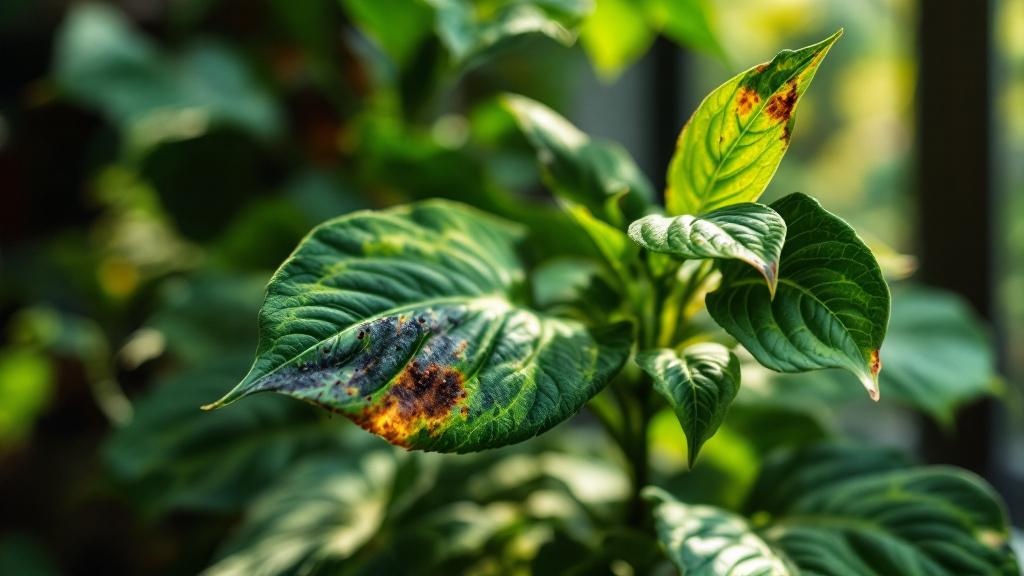
Sunburn on plants is a straightforward but often misdiagnosed problem: direct sun exposure literally scorches leaf tissue, creating papery, bleached patches that cannot heal. Unlike fungal or bacterial diseases, sunburn leaves no ring of yellowing and causes no spread—it's pure damage from ultraviolet radiation and heat stress concentrated on the sun-facing side of the leaf or fruit. It matters most to gardeners who move indoor plants outdoors abruptly, grow sun-sensitive crops like cucumber and pepper in intense mid-summer conditions, or have tender ornamentals such as young maples and birches exposed to unfiltered afternoon rays. The window of danger runs from late May through August in temperate climates, with peak risk in June and July when day length and solar intensity peak, especially after a cloudy spell when plants have weakened sun acclimation.
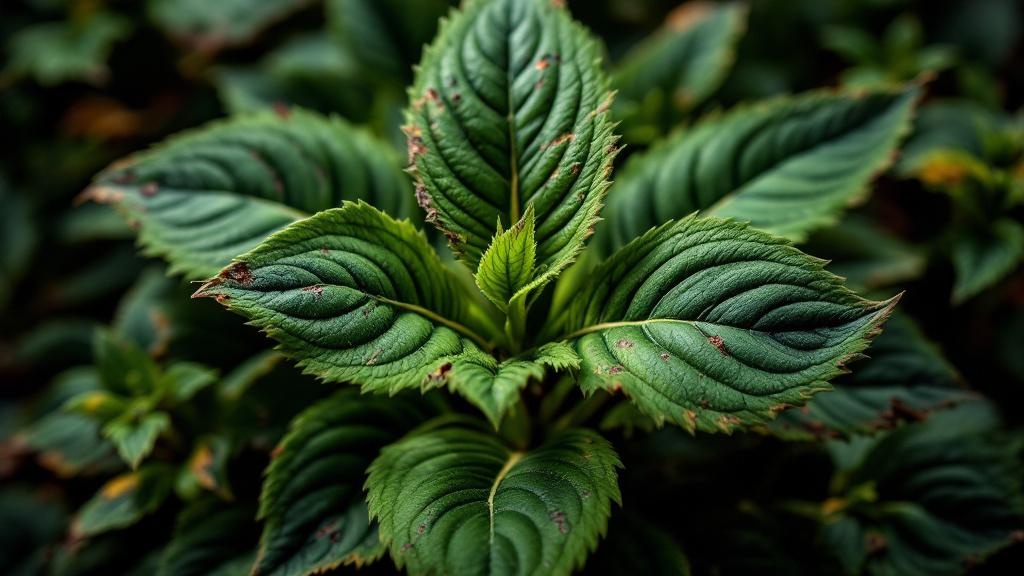
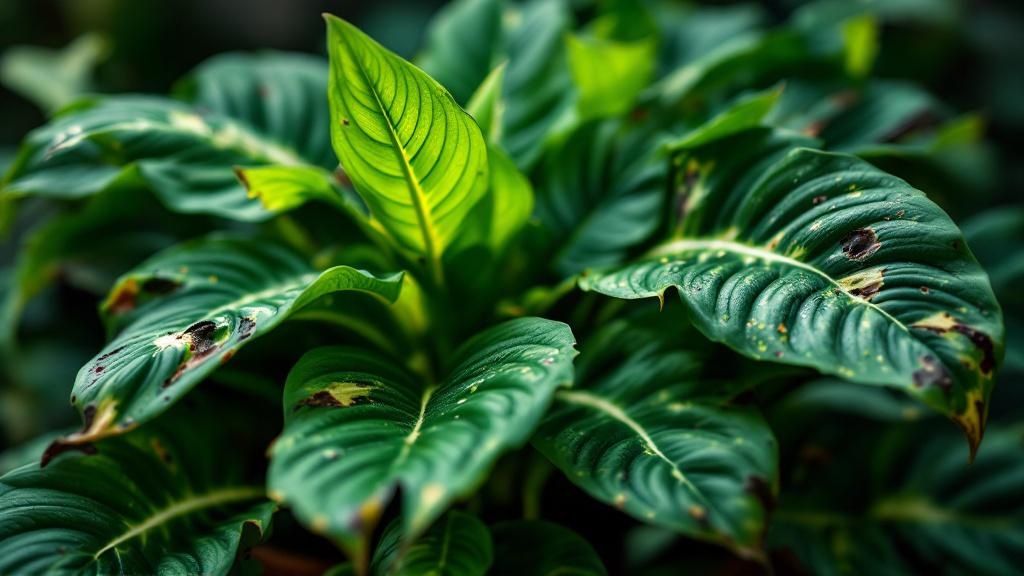
The first sign you'll notice is crisp, bone-dry patches appearing overnight or over a few days on the leaf surface or on developing fruit, always on the side facing the strongest sun. These patches are sharply bordered, paper-thin, and often tan or bleached white—never surrounded by a halo of yellow or soft tissue, which would suggest fungal disease. A key way to tell sunburn from a disease is its one-sided distribution: if only the south or west-facing leaves are affected and the plant's shadowed side looks healthy, you've almost certainly got sunburn, not a pathogen spreading through the plant.
🔍 How to identify
Csontszáraz, barnás-fehéres, papírvékony foltok a leveleken vagy gyümölcsökön, a NAPRA NÉZŐ oldalon. A foltok ÉLES szegélyűek, nincs körkörös sárgulás körülöttük (ami betegségre utalna).
🌿 Common host plants
💊 Treatment
Sérült rész nem regenerálódik. Növényt árnyékos helyre vagy árnyékolóhálót.
Nincs.
🛡️ Prevention
Fokozatos átszoktatás (1-2 hét) ha beltéri növényt kiviszel. Délután-déli direkt nap kerülése érzékeny növényeknek.
Frequently asked questions
Can I save a sunburned plant, or is it permanently damaged?
The scorched tissue itself will never repair or regain color, but the plant will recover overall if you remove the stress immediately. Move it to dappled shade or behind a shade cloth for 7–10 days, then gradually reintroduce brighter light; new growth will emerge healthy and unblemished.
How do I harden off indoor plants before moving them outside without causing sunburn?
Take 10–14 days to acclimate gradually: start indoors, move to a shaded porch for 2–3 days, then a partially shaded spot with 2–3 hours of morning sun, and only after a week move to full sun. Never place a houseplant in direct midday sun on day one, no matter how sunny it looks outdoors.
Which plants are most at risk, and should I avoid growing them in full sun?
Tender indoor plants (houseleek, begonia, ferns) and young saplings of maple and birch are highly vulnerable in their first season. Cucumbers and peppers can sunburn on fruit if exposed to intense afternoon heat above 32°C; afternoon shade cloth or planting them east-facing (morning sun only) helps in very hot regions.
Is there any way to prevent sunburn on fruit and vegetables during a heat wave?
Yes: use shade cloth (30–50% shade) draped over rows in July–August, ensure consistent watering to cool roots and leaves, and avoid pruning foliage that shades fruit. Mulch heavily around root zones to keep soil cool and reduce plant stress.
Does sunburned fruit or vegetables remain safe to eat?
Absolutely; the damage is cosmetic only and does not affect flavor or safety. Peel away the scorched skin before cooking or eating if appearance bothers you, or use the fruit for juice, sauce, or pickling where cosmetics don't matter.
Not sure what's wrong? Take a photo!
Plantora's AI Plant Doctor identifies the issue from a single photo in seconds and gives you a tailored treatment guide.
Try AI diagnosis (free) →