Underwatering / drought
📖 Overview
Underwatering is one of the most common plant problems in home gardens, yet it's often misdiagnosed. When a plant doesn't receive enough water consistently, it can't transport nutrients from the soil or maintain the turgor pressure that keeps leaves firm and upright. The damage progresses from wilting and leaf browning to permanent cell death and stunted growth. This stress matters because it affects virtually every plant you grow—from houseplants on windowsills to vegetables, shrubs, and perennials outdoors—and leaves them vulnerable to pests and diseases that exploit weakened plants.
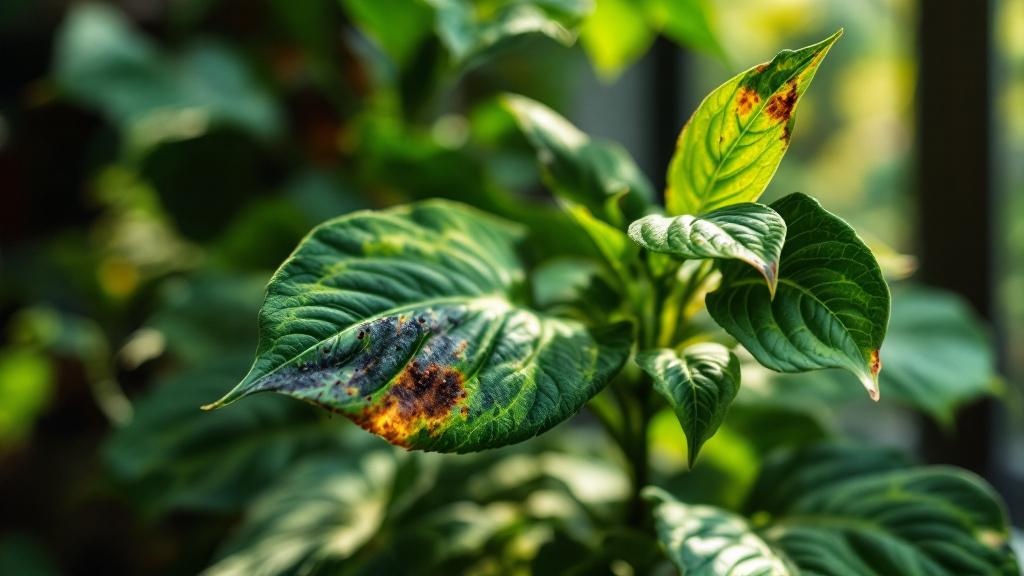
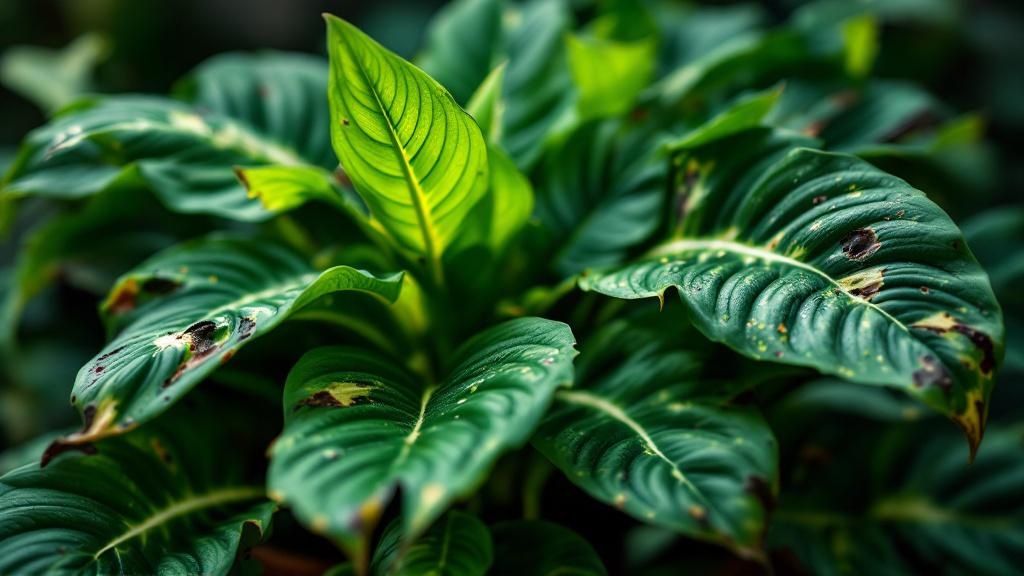
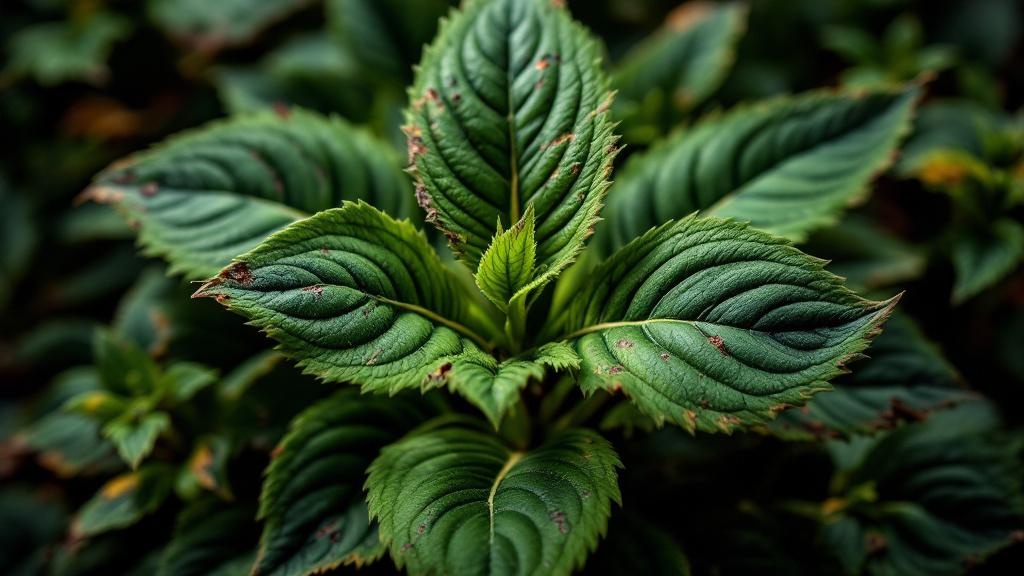
The critical window for drought stress varies by season and plant type, but summer (July through August in temperate zones) is when most damage occurs, especially for shallow-rooted plants like bedding annuals, newly planted specimens, and container plants. The first sign is usually drooping leaves that look dull and lifeless, followed within days by browning at the leaf edges and tips. The leaves feel papery and brittle—not soft and squishy like overwatered foliage—and if you press your finger into the soil, it feels rock-hard and often pulls away from the edges of the pot.
Underwatering is easy to confuse with overwatering because both cause wilting, but the telltale difference is in the soil and leaf texture. With drought stress, the soil is visibly dry, hard, and often caked, whereas overwatering creates soggy, smelly soil. Drought-stressed leaves are crispy and brown at the margins; overwatered leaves turn yellow, feel soft, and may smell musty. Once you recognize the hard, shrunken soil and papery leaf edges, you know dehydration is the culprit.
🔍 How to identify
Levelek lekonyulnak, szárazak (nem puhák!), a SZÉLEK barnulnak, ropognak. A talaj kőkemény, elválik a cserép szélétől. Beltéri növénynél jellegzetes.
🌿 Common host plants
💊 Treatment
Növényt fél órára vízbe állítani (cseréptál + víz). Ha a talaj nem szívja a vizet, hagyni 10 percig "merülni".
Nincs.
🛡️ Prevention
Önöntöző cserép. Mulcsozás. Hidrogél a talajba.
Frequently asked questions
How can I tell if my plant is underwatered or overwatered?
The soil tells the story: drought-stressed soil is rock-hard, shrunken, and pulls away from the pot edge, while overwatered soil is soggy and often smells sour. Check the leaves too—underwatered foliage is crispy and brown at the edges, overwatered leaves are soft, yellow, and mushy. Stick your finger 2 inches into the soil; if it's bone-dry, underwatering is your problem.
What's the fastest way to save a severely underwatered plant?
Place the entire pot (with the plant) into a bucket or basin of water for 30 minutes so the dry soil gradually rehydrates from the bottom up. If the soil is extremely compacted and repels water, let it soak for up to an hour, or gently work a chopstick through the soil to open air pockets. After soaking, drain well and return the pot to normal watering.
Which plants are most vulnerable to underwatering?
Shallow-rooted plants suffer first: annuals like petunias and marigolds, ferns, azaleas, hydrangeas, and most houseplants in containers. Newly planted trees and shrubs are also at high risk because their root systems haven't yet spread deep into the soil. Succulents and native drought-tolerant plants are the most forgiving.
Can I prevent underwatering without watering by hand every day?
Yes—use self-watering pots for houseplants, apply 2 to 3 inches of mulch around outdoor plants to retain soil moisture, and consider adding hydrogel crystals to potting soil, which absorb water and release it slowly. Drip irrigation or soaker hoses are also excellent for outdoor beds and reduce the guesswork of hand watering.
Will my plant recover fully from drought stress, or will the damaged leaves stay brown?
Once leaves brown and crisp at the edges, those tissues won't turn green again, but the plant itself often recovers if you rehydrate promptly. Remove the brown leaf tips with clean scissors, resume consistent watering, and new growth should emerge healthy within weeks. Permanent recovery depends on how long the plant was stressed—a few days of drought is easily reversible, but weeks of severe dehydration may stunt growth permanently.
Not sure what's wrong? Take a photo!
Plantora's AI Plant Doctor identifies the issue from a single photo in seconds and gives you a tailored treatment guide.
Try AI diagnosis (free) →