Aeonium
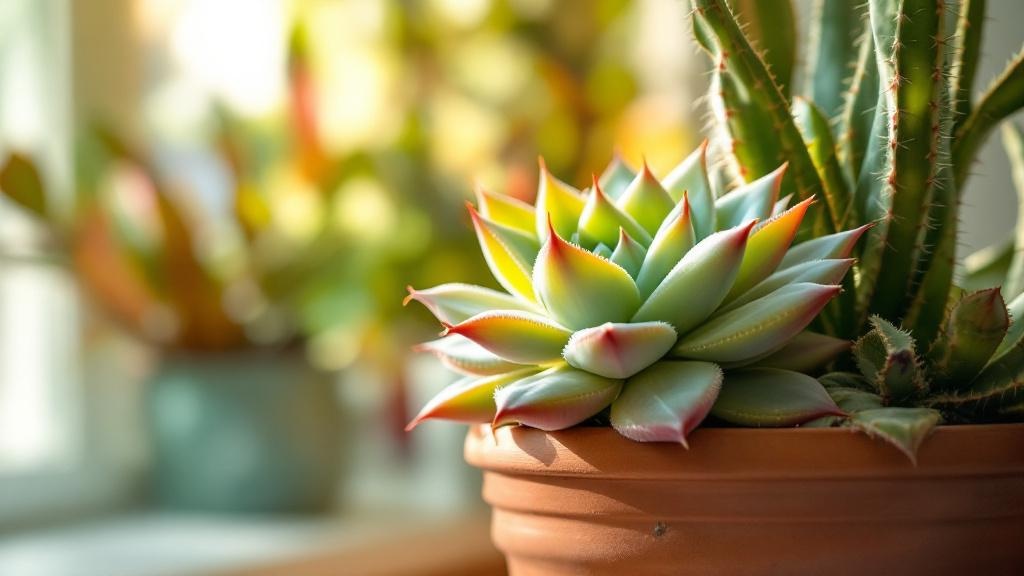
Aeonium succulents are beloved by collectors for their architectural rosette shapes and jewel-like colors ranging from deep purple to pale green. The most common question gardeners ask is why their Aeonium loses leaves or becomes leggy—usually a sign of overwatering or insufficient light. In temperate climates (zones 5-8), these plants thrive indoors or in sheltered outdoor gardens, especially when treated as seasonally dormant during winter.
Watering Your Aeonium
Aeoniums are summer-active succulents, meaning they grow most vigorously from April to September and enter dormancy in winter. During the growing season, water every 10-14 days when the soil is completely dry; in winter, reduce watering to once monthly or suspend it entirely. Always use the soak-and-dry method: pour water until it drains from the pot base, then don't water again until soil is bone-dry. Overwatering is the leading cause of root rot in Aeoniums—err on the side of underwatering.
Light Requirements for Aeonium
Aeoniums need bright light year-round to maintain compact, colorful rosettes. Place them in a south- or west-facing window with at least 4-6 hours of direct sunlight daily. In mid-summer (June-August), provide afternoon shade if temperatures exceed 77°F to prevent sun scorch. Indoors under grow lights, position lights 6-8 inches above the plant for 12-14 hours daily. Insufficient light causes stretching and pale coloration; rotate the pot weekly for even growth.
Soil and Repotting
Use a fast-draining commercial succulent or cactus mix, or amend standard potting soil with 40% perlite or horticultural grit. Repot in early spring (March-April) when roots fill the pot or soil breaks down. Choose a terracotta pot with drainage holes, one size larger than the previous pot. Aeoniums appreciate good drainage over frequent repotting; a healthy plant may need repotting only every 2-3 years.
Temperature and Humidity
Aeoniums thrive in temperatures between 50-77°F (10-25°C) and prefer cool winters to trigger flowering. Protect plants from frost; move potted Aeoniums indoors before the first frost (typically October-November in zones 5-8). They tolerate low humidity indoors but benefit from good air circulation to prevent fungal issues. Avoid placing them near heating vents or cold drafts, which stress the plant.
Fertilizing Aeonium
Feed Aeoniums sparingly during the growing season (April-September) with a diluted balanced succulent fertilizer or low-nitrogen formula every 4-6 weeks. Do not fertilize in winter when the plant is dormant. Excessive nitrogen promotes soft growth and reduces stress tolerance. A light feeding schedule prevents nutrient deficiency while keeping the plant compact and vibrant.
Common Problems and Solutions
Root rot from overwatering is the most frequent issue; if you notice mushy stems or foul soil odor, remove the plant, trim rotted roots with sterile scissors, repot in fresh dry soil, and suspend watering for 2-3 weeks. Leggy growth or pale coloring indicates insufficient light—move the plant closer to a bright window or add a grow light. Mealybugs and spider mites can appear in warm, dry indoor environments; spray affected areas with diluted neem oil or insecticidal soap every 7-10 days until pests clear.
Frequently asked questions
How often should I water my Aeonium?
Water every 10-14 days during summer when soil is completely dry, and reduce to once monthly or stop entirely in winter. Always use the soak-and-dry method to avoid root rot.
Why is my Aeonium losing leaves?
Leaf drop is usually caused by overwatering, cold temperatures below 45°F, or sudden environmental changes. Check the soil—if soggy, stop watering immediately and ensure the pot has drainage. Move the plant to a warmer, stable location.
Can I grow Aeonium outdoors in winter in temperate climates?
No, most Aeoniums cannot survive hard frosts (below 32°F). In zones 5-7, grow them in pots and bring indoors before the first frost in autumn. In zone 8 with mild winters, you may leave them outside in a sheltered, well-drained spot.
How do I propagate Aeonium?
Aeoniums propagate easily from rosette offsets or individual leaves. In spring, gently twist off a healthy rosette, let it dry for 3-5 days, then place on dry succulent soil. Keep barely moist until roots appear in 2-3 weeks.
Is Aeonium safe for pets?
Yes, Aeonium is completely non-toxic to cats, dogs, and other pets. It's a safe choice for households with curious animals.