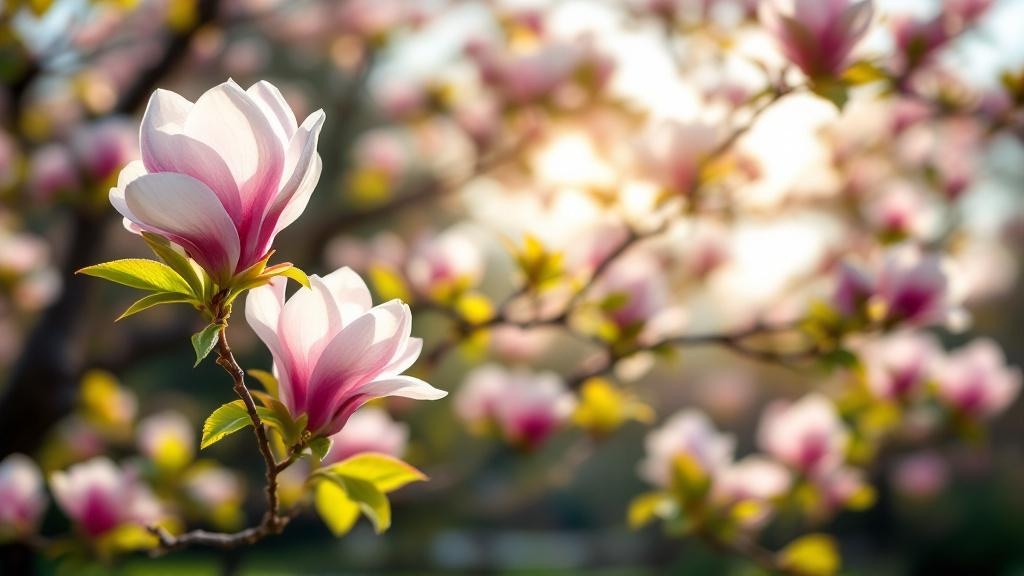
Rose of Sharon
Rose of Sharon (Hibiscus syriacus) is one of the most rewarding summer-blooming shrubs for temperate gardens, delivering months of tropical-looking flowers when many other plants have faded. Gardeners in zones 5-8 love it for its hardiness and low-maintenance nature. The biggest question people ask: how do I get my Rose of Sharon to flower reliably?
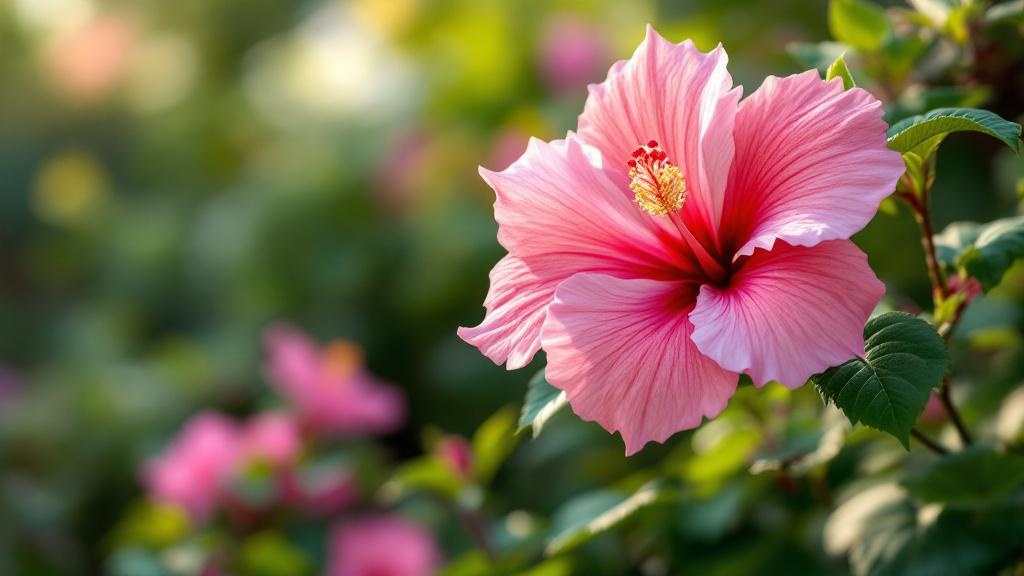
Watering Rose of Sharon
Water deeply every 7-10 days during the growing season from April through September, more frequently during hot spells or if planted in sandy soil. Once established (after 12 months), Rose of Sharon is quite drought-tolerant and needs water only when the top 5cm of soil feels dry. In autumn, gradually reduce watering as growth slows. During winter dormancy, minimal water is needed unless there is an unusually dry spell.
Light Requirements for Blooming
Plant your Rose of Sharon in full sun—at least 6 hours of direct sunlight daily—to achieve the best flowering. While it tolerates partial shade (4-6 hours), plants in shade will produce fewer blooms and may become leggy. In hot continental or southern regions, afternoon shade can prevent flower fade, but this is rarely needed in northern temperate zones. Position it where morning sun dries dew to reduce fungal issues.
Soil & Repotting
Rose of Sharon is remarkably adaptable and thrives in most garden soils, though it prefers well-draining soil with pH between 6.0 and 7.0. Add compost or aged manure at planting to improve soil structure. Young container specimens may need repotting every 2-3 years in spring; once planted in the garden, repotting is unnecessary. Use a balanced potting mix (equal parts compost, loam, and sand) if growing in containers.
Temperature & Humidity
Rose of Sharon is hardy to approximately -20°C and thrives across USDA zones 5-8. It is completely deciduous, losing all leaves in autumn—this is normal and not a sign of stress. Young plants benefit from shelter in their first winter; mulch around the base with 5-8cm of compost in late October. No special humidity management is needed; it tolerates both dry and moist air equally well.
Fertilizing for Maximum Blooms
Apply a balanced, slow-release fertilizer (such as 10-10-10) in early April as new growth appears, or use a flower-focused formula (higher potassium) in May. Feed once monthly from May through July; overfertilizing encourages foliage at the expense of flowers. In September, stop fertilizing to let the plant harden off for winter. Container plants need feeding every 3-4 weeks during the growing season.
Common Problems & Solutions
Yellowing leaves in summer usually indicate underwatering or spider mites—increase watering and check for fine webbing on stems (treat with neem oil in early morning). Bud drop before flowering is caused by irregular watering or sudden temperature swings; maintain consistent moisture and avoid moving plants during warm spells. Powdery mildew occasionally appears in damp autumns; remove affected leaves and improve air circulation by thinning branches. Japanese beetles may skeletonize foliage in July-August; hand-pick in early morning or apply a pyrethrin-based spray.
Frequently asked questions
How often should I water my Rose of Sharon?
Water deeply every 7-10 days from April through September while the plant is actively growing. Once established, it tolerates drought well and needs water only when the top 5cm of soil is dry. Reduce watering significantly in autumn and winter when the plant is dormant.
Why are my Rose of Sharon buds falling off before they open?
Bud drop is usually caused by inconsistent watering, sudden temperature changes, or overwatering. Maintain even soil moisture, avoid moving the plant during warm weather, and ensure it receives full sun. Stress from root damage during planting can also trigger bud drop; allow 2-3 weeks for recovery.
When does Rose of Sharon bloom and how long do flowers last?
Rose of Sharon blooms from mid-July through September in temperate climates, with peak flowering in August. Individual flowers last only 1-2 days, but the plant continuously produces new buds throughout the season, giving months of color. Deadheading spent flowers encourages even more blooms.
How much pruning does Rose of Sharon need?
Prune lightly in early March before new growth begins, removing any frost-damaged or crossing branches. Avoid heavy pruning unless you want a smaller plant; hard pruning reduces flowering that season. To encourage bushier growth on young plants, pinch back the growing tips in May. Mature plants rarely need pruning beyond tidying.
Is Rose of Sharon toxic to cats and dogs?
No, Rose of Sharon is completely non-toxic to cats, dogs, and other pets. It is safe even if leaves or flowers are nibbled or ingested. This makes it an excellent choice for gardens where pets spend time.