Cacao Tree
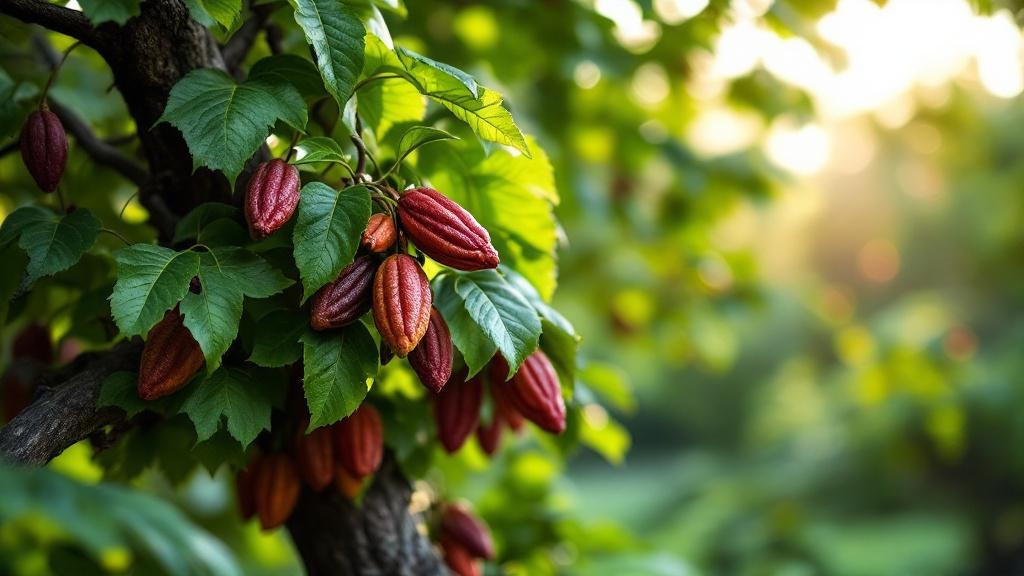
The cacao tree, source of all chocolate, is one of the most rewarding tropical plants you can attempt indoors. Native to Central and South American rainforests, it demands consistent warmth and high humidity — making it a genuine challenge in temperate homes. The most common question growers ask is whether cacao can survive winter indoors without a greenhouse. The answer is yes, but success requires understanding this tropical tree's year-round need for stable conditions and mimicking its understory rainforest habitat.
Watering Your Cacao Tree Correctly
Water your cacao tree every 5-7 days, keeping the soil consistently moist but never waterlogged. In winter when central heating dries the air, you may need to water slightly more frequently despite slower growth. Always use room-temperature water and ensure excellent drainage — cacao roots rot quickly in standing water. Reduce watering only slightly from November to February, but never let the rootball dry out completely.
Light Requirements for Indoor Cacao
Cacao trees thrive in bright indirect light, mimicking their natural position beneath the rainforest canopy. Place near an east or north-facing window, or use sheer curtains on south-facing windows to filter harsh rays. Direct summer sun will scorch the large, delicate leaves. From October through March in temperate regions, supplement with a grow light for 10-12 hours daily to compensate for short winter days.
Soil and Repotting Guidelines
Use a rich, well-draining potting mix with a slightly acidic pH of 6.0-6.5. Combine standard houseplant compost with perlite and orchid bark in a 2:1:1 ratio for ideal drainage and aeration. Repot young trees annually in early April as growth resumes, moving to a pot only 5cm larger each time. Mature trees over 1 meter tall can be repotted every 2-3 years.
Temperature and Humidity Needs
Maintain temperatures between 18-30°C year-round — cacao cannot tolerate temperatures below 15°C and will drop leaves if exposed to cold drafts. This is the greatest challenge in temperate homes during winter. Humidity must stay above 60%, ideally 70-80%. Use a humidifier near the plant from October through April when heating systems dry indoor air. Grouping with other tropical plants or using a pebble tray helps maintain moisture.
Fertilizing Through the Seasons
Feed every 2 weeks from April through September with a balanced liquid fertilizer diluted to half strength. Cacao is sensitive to salt buildup, so flush the soil monthly with plain water. From October to March, reduce feeding to once monthly. Add a thin layer of worm castings to the soil surface each spring for slow-release nutrients that mimic the nutrient-rich rainforest floor.
Common Problems and Solutions
Spider mites are the most frequent pest in dry heated rooms — check leaf undersides weekly and treat with insecticidal soap at first sign. Mealybugs hide in leaf joints and can be wiped away with alcohol-soaked cotton. Brown leaf edges indicate insufficient humidity, while yellowing leaves often signal overwatering or cold stress. Fungal leaf spot can develop in stagnant humid air, so ensure good air circulation without cold drafts.
Frequently asked questions
Can you grow a cacao tree indoors in a cold climate?
Yes, you can grow cacao indoors in temperate climates, but it requires dedication. You must maintain temperatures above 15°C year-round, provide 60-80% humidity, and supplement light during winter months. A heated conservatory or room with a humidifier gives the best results.
Why are my cacao tree leaves turning brown?
Brown leaf edges on cacao trees indicate humidity is too low, which is common in heated homes during winter. Increase humidity to at least 60% using a humidifier, mist daily, or place the pot on a pebble tray with water. Brown spots may indicate cold damage or fungal issues.
How long does it take for a cacao tree to produce pods?
Cacao trees typically take 3-5 years to flower and potentially produce pods under ideal conditions. Indoor trees in temperate climates rarely fruit due to insufficient heat, humidity, and the need for hand pollination. Most growers enjoy cacao as an ornamental foliage plant.
Is cacao toxic to cats and dogs?
Cacao is mildly toxic to pets due to theobromine content in leaves and especially seeds. While nibbling a leaf may cause mild digestive upset, the greater danger is if your tree ever produces beans. Keep cacao trees out of reach of curious pets.
How often should I water a cacao tree?
Water your cacao tree every 5-7 days, maintaining consistently moist but not soggy soil. Check the top 2-3cm of soil — when it feels slightly dry, water thoroughly until it drains from the bottom. Never let cacao sit in water or dry out completely.