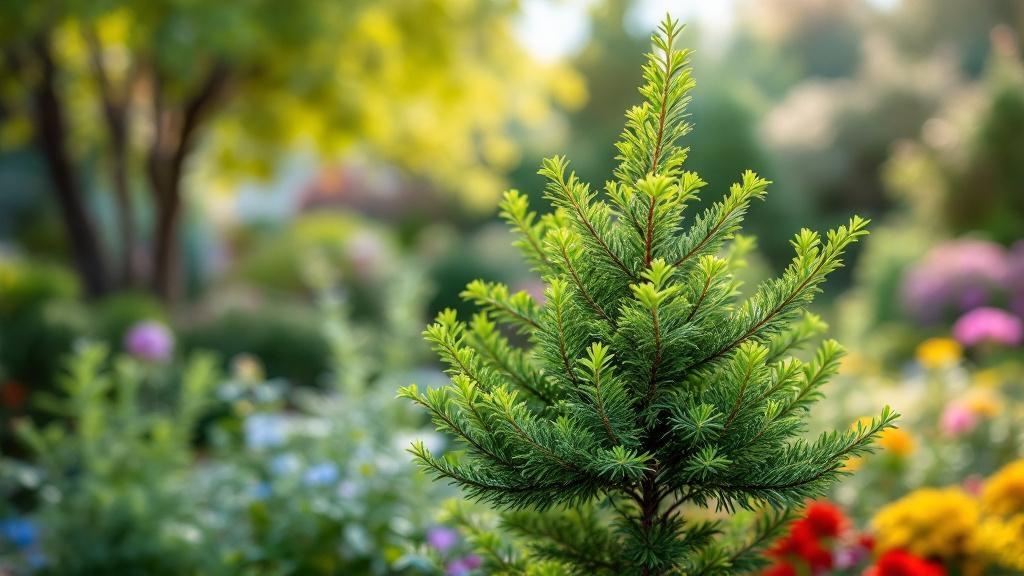
Bay Laurel
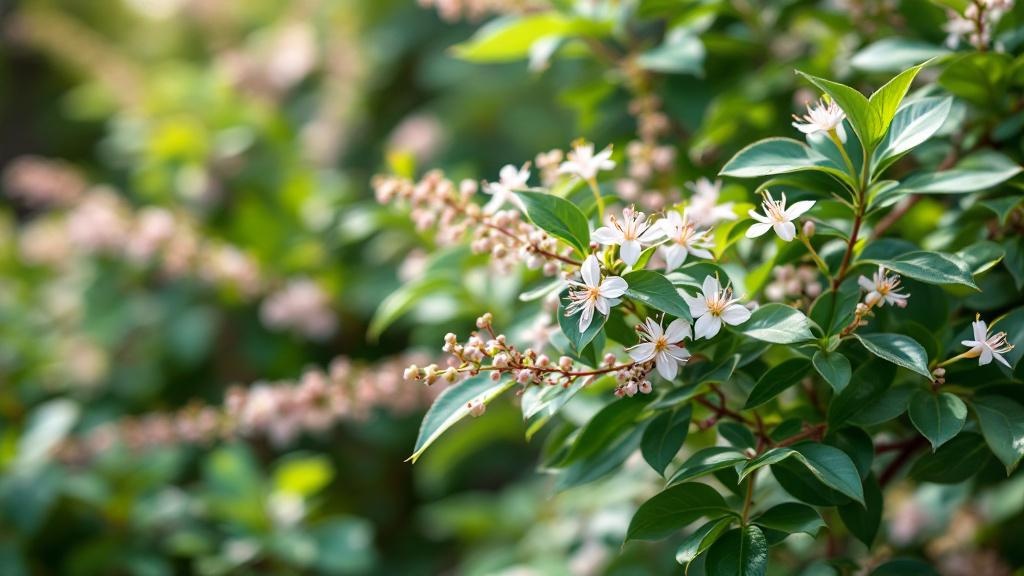
Bay laurel (Laurus nobilis) is a classic Mediterranean herb that brings both culinary value and elegant greenery to your home. Whether you're growing it for fresh cooking leaves or as an ornamental specimen, bay laurel is surprisingly hardy in temperate climates. The most common challenge gardeners face is overwatering—this drought-tolerant plant prefers dry conditions and struggles in soggy soil.
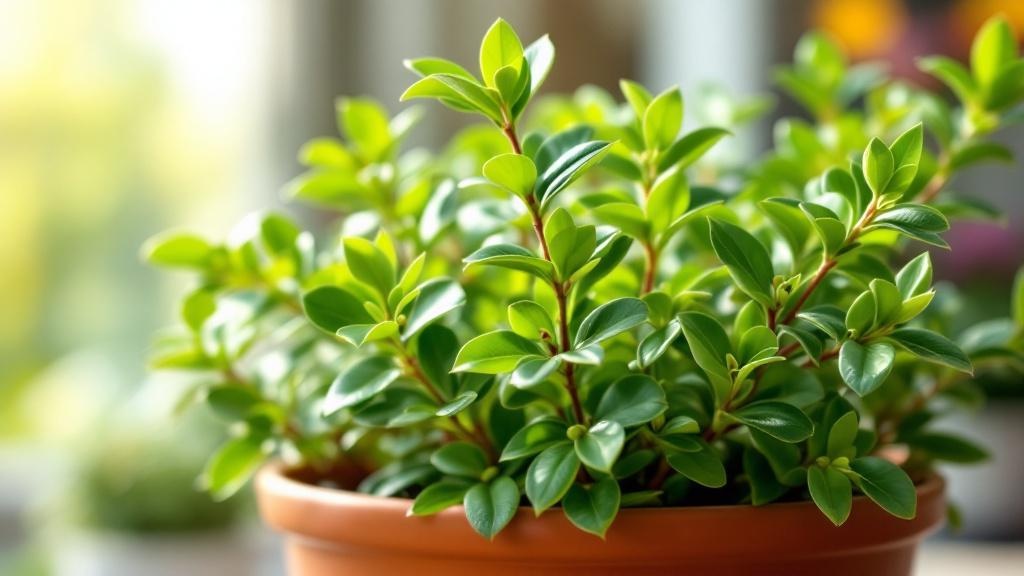
Watering Bay Laurel
Water deeply every 10-14 days during the growing season (April–September), allowing the top 2 cm of soil to dry between waterings. In autumn and winter, reduce frequency to every 3-4 weeks, as the plant enters dormancy and requires far less moisture. Overwatering is the main killer of bay laurel—poor drainage or waterlogged soil leads to root rot. Always empty drainage trays after watering to prevent standing water.
Light Requirements for Bay Laurel
Bay laurel thrives in bright indirect light and tolerates full sun for several hours daily. Indoors, place it near a south- or west-facing window in temperate zones (winter sun is gentler and won't scorch leaves). Outdoor specimens benefit from 6-8 hours of sunlight; in very hot summers above 28°C, afternoon shade prevents leaf stress. Insufficient light results in leggy growth, so avoid dark corners.
Soil & Repotting
Use well-draining, loamy soil with a pH of 6.0–7.5; commercial herb or Mediterranean plant mixes work well. Repot every 2-3 years in spring (March–April) to refresh soil and prevent nutrient depletion. Choose a pot only 2-3 cm larger than the current one to avoid excess soil moisture. Ensure pots have drainage holes; terracotta is ideal because it allows soil to dry faster than plastic.
Temperature & Humidity
Bay laurel grows best between 5–18°C and tolerates light frosts down to -5°C when established outdoors. In regions colder than USDA zone 7 (UK, central Europe), grow in containers and move indoors before the first hard frost in November. Humidity needs are low; indoor plants in heated homes benefit from occasional misting in spring, but the plant rarely develops fungal issues if soil stays dry. Avoid cold drafts and sudden temperature swings below 0°C.
Fertilizing Bay Laurel
Feed monthly from April to August with a balanced, slow-release fertilizer (10-10-10 or similar) or diluted liquid feed. Bay laurel is slow-growing and doesn't require heavy feeding; over-fertilizing encourages weak, leggy shoots unsuitable for harvesting. In autumn and winter, stop feeding entirely as growth stalls. Container plants benefit more from occasional feeding than in-ground specimens, which draw nutrients from surrounding soil.
Common Problems
Root rot from overwatering is the primary issue—repot immediately into fresh, dry soil if roots smell musty or leaves yellow and drop. Spider mites and scale insects occasionally appear indoors in heated rooms (particularly September–March); spray infested leaves with neem oil or insecticidal soap every 10-14 days for three treatments. Powdery mildew is rare in temperate climates but occurs if humidity is too high and air circulation poor—increase ventilation and reduce misting.
Frequently asked questions
How often should I water bay laurel?
Water every 10-14 days during spring and summer, allowing the top 2 cm of soil to dry between waterings. In autumn and winter, reduce to every 3-4 weeks as growth slows dramatically. Always check soil moisture before watering—bay laurel prefers dry conditions.
Can I grow bay laurel outdoors in the UK?
Yes, bay laurel thrives outdoors in the UK (zones 8-9 equivalent) when planted in well-draining soil and sheltered from harsh winter winds. Container-grown plants in colder regions should be moved indoors before November. Established outdoor plants tolerate light frosts but struggle below -5°C for extended periods.
When can I harvest bay leaves for cooking?
Harvest leaves year-round, but growth is fastest from April to September. Pick mature leaves from the outer stems and use fresh or dried. Drying bay leaves intensifies their flavor—hang small bundles in a warm, dark place for 2-3 weeks. Never strip more than one-third of the plant at once.
Why are my bay laurel leaves turning yellow?
Yellow leaves usually indicate overwatering or poor drainage. Check roots for rot by gently unpotting the plant; if roots are mushy, repot into fresh dry soil immediately. Less commonly, yellowing signals nutrient deficiency or pest damage (spider mites cause tiny stippling). Ensure pots have drainage holes and always empty water trays after watering.
Is bay laurel toxic to cats or dogs?
No, bay laurel leaves are completely safe for cats and dogs and are not toxic. However, large ingestion of leaves may cause mild stomach upset due to their tough, oily texture. The plant is safe to grow indoors with pets without concern.