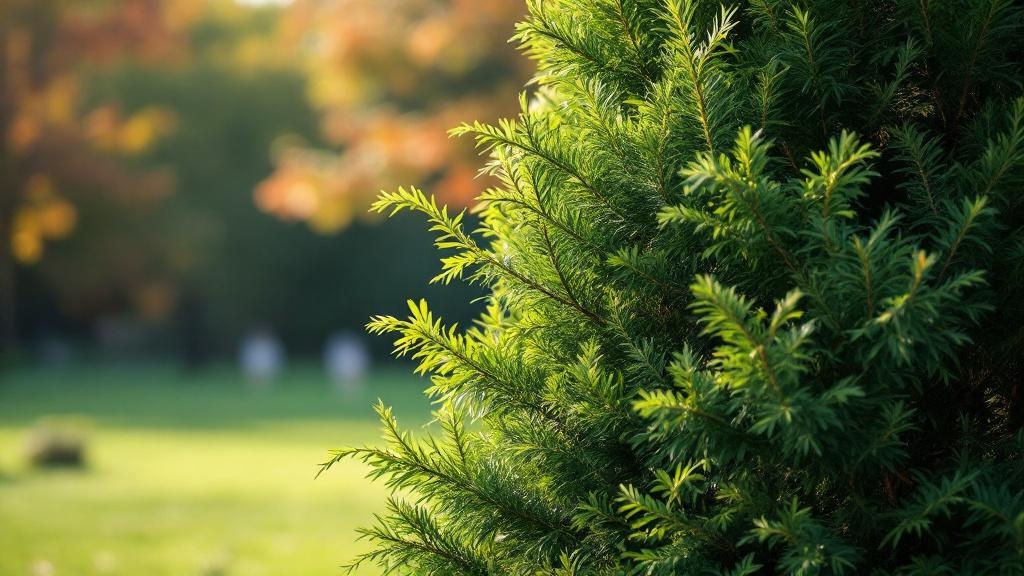
Beaked Yucca
Beaked Yucca (Yucca rostrata) is one of the most cold-hardy yuccas available, making it a prized specimen for temperate gardeners seeking dramatic, drought-tolerant landscaping. Native to the Chihuahuan Desert, this slow-growing succulent forms a striking spherical head of silvery-blue leaves atop a sturdy trunk. The most common question gardeners ask is whether Beaked Yucca can survive cold winters — and with the right preparation, it absolutely can handle temperatures down to minus 15 degrees Celsius.
Watering Your Beaked Yucca Correctly
Water your Beaked Yucca every 2-3 weeks during the growing season from April through September, allowing soil to dry completely between waterings. Reduce watering to once monthly or less from October onwards, as wet roots combined with cold temperatures cause fatal rot. Always water at the base, avoiding the crown where moisture can collect. In rainy British or Central European summers, you may not need to water at all if planted outdoors.
Light Requirements for Healthy Growth
Beaked Yucca demands full sun — at least 6 hours of direct sunlight daily for optimal growth and the best silvery-blue leaf coloration. In temperate climates, position it in the sunniest south-facing spot available, whether in the garden or as a container plant. Insufficient light causes etiolation, where leaves become pale and floppy. Indoor specimens near bright south-facing windows can survive but grow very slowly.
Soil and Repotting Essentials
Plant Beaked Yucca in extremely well-draining soil — mix standard potting compost with 50 percent horticultural grit, perlite, or coarse sand. Raised beds and gravel gardens work excellently in regions with heavy clay soil. Repot container specimens every 3-4 years in spring (late April to May), moving up just one pot size. Terracotta pots are ideal as they allow excess moisture to evaporate through the walls.
Temperature and Humidity Management
Beaked Yucca tolerates temperatures from minus 15 degrees Celsius to above 35 degrees Celsius when established, making it one of the hardiest yuccas for zones 5-8. The key to winter survival is keeping roots dry — wet cold is lethal while dry cold is tolerated. In the UK and Northern Europe, cover outdoor plants with horticultural fleece during prolonged wet freezes from December through February. Low humidity is preferred; avoid humid microclimates near ponds or dense planting.
Fertilizing for Steady Growth
Feed Beaked Yucca sparingly — apply a balanced slow-release fertilizer once in late April and again in early July at half the recommended strength. Avoid high-nitrogen feeds which promote soft, weak growth vulnerable to frost damage. Container plants benefit from a diluted liquid cactus fertilizer monthly during active growth. Stop all feeding by late August to allow the plant to harden off before winter.
Common Problems and Solutions
Root rot is the primary killer in temperate climates, caused by poor drainage or winter wet — improve soil drainage immediately if lower leaves blacken and soften. Scale insects occasionally appear as brown bumps on leaves; wipe them off with rubbing alcohol or apply neem oil in May when crawlers are active. Leaf tip browning is usually cosmetic, caused by winter damage or underwatering in summer — trim brown tips with clean scissors for aesthetics.
Frequently asked questions
Can Beaked Yucca survive winter outdoors in the UK?
Yes, Beaked Yucca can survive UK winters down to minus 15 degrees Celsius when planted in very well-drained soil. The critical factor is keeping roots dry during winter wet spells. Cover with fleece during prolonged freezing rain and consider a gravel mulch around the base to improve drainage.
How often should I water Beaked Yucca?
Water Beaked Yucca every 2-3 weeks in summer, allowing soil to dry completely between waterings. Reduce to monthly or less in winter, as overwatering in cold weather causes root rot. Container plants dry faster than ground-planted specimens and may need slightly more frequent watering in hot spells.
Why are my Beaked Yucca leaves turning yellow?
Yellow leaves on Beaked Yucca typically indicate overwatering or poor drainage causing root stress. Check that the soil dries out completely between waterings and that the pot or planting area drains freely. Lower leaves naturally yellow and dry as the plant ages — this is normal and can be gently removed.
Is Beaked Yucca toxic to cats and dogs?
Beaked Yucca is mildly toxic to cats and dogs due to saponins that cause vomiting and diarrhea if ingested. The sharp, stiff leaves also pose a physical injury risk to curious pets. Position plants where pets cannot chew on them, and seek veterinary advice if significant ingestion occurs.
How fast does Beaked Yucca grow?
Beaked Yucca grows slowly, typically adding 5-10 centimeters of trunk height per year in optimal conditions. In temperate climates with shorter growing seasons, expect even slower growth of 2-5 centimeters annually. Patience is required — specimen plants with substantial trunks may be 15-20 years old.