Cooper Haworthia
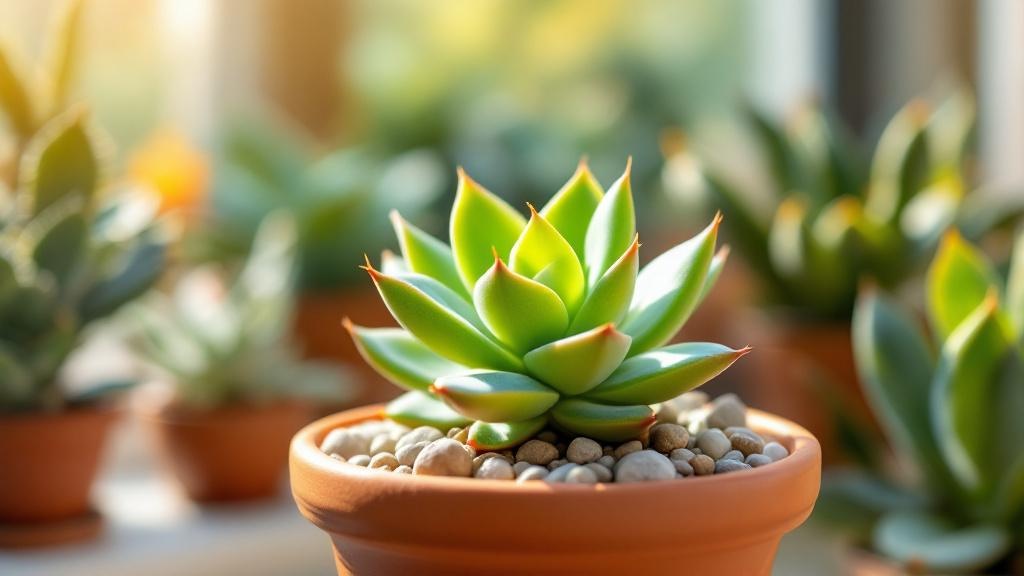
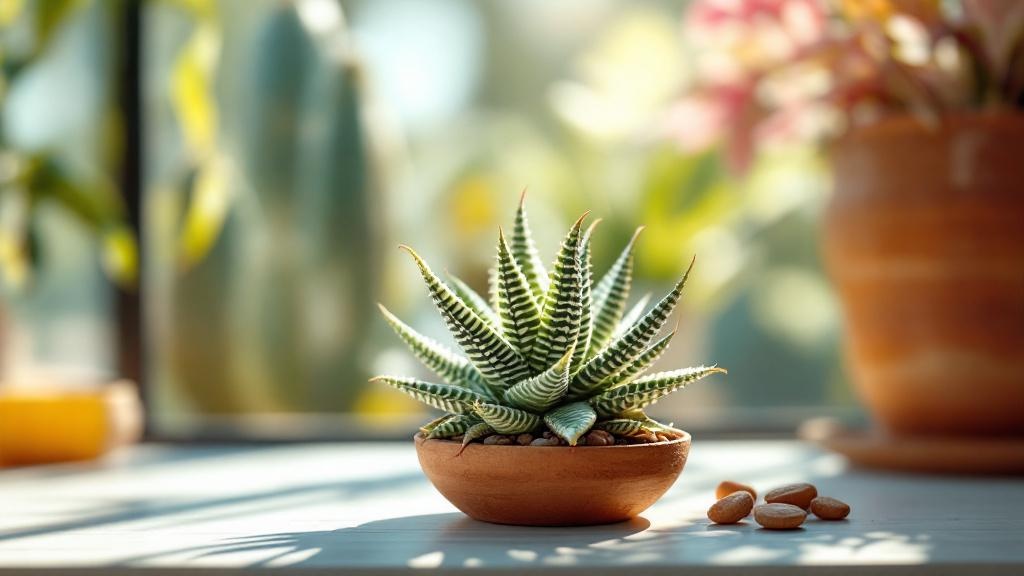
Cooper Haworthia captivates plant lovers with its fleshy, bubble-like leaves that feature transparent windows at the tips, allowing light to penetrate deep into the plant. Native to South Africa, this compact succulent has become a favourite among collectors and beginners alike. The most common question people ask is how much light these translucent beauties actually need, since their unique windows suggest they handle sun differently than other succulents.
Watering Your Cooper Haworthia Correctly
Water thoroughly every 2-3 weeks during the growing season (April through September), allowing soil to dry completely between waterings. In winter, reduce to once monthly as the plant enters dormancy. Always empty the saucer after watering to prevent root rot. The leaves will appear slightly less plump when the plant needs water, which is your cue to hydrate.
Finding the Perfect Light for Translucent Leaves
Bright indirect light is ideal, such as an east-facing windowsill or a few feet back from a south-facing window. Unlike many succulents, Cooper Haworthia burns easily in direct summer sun, which causes brown or white scarring on the translucent tips. In winter, you can move it closer to windows since the weaker UK and Northern European sun poses less risk. Those unique leaf windows evolved to filter harsh desert light, so indirect brightness keeps them glowing beautifully.
Soil Mix and Repotting Schedule
Use a fast-draining mix of 50% standard succulent compost and 50% perlite or pumice. Terracotta pots work exceptionally well as they wick away excess moisture. Repot every 2-3 years in spring (late March to April) or when offsets crowd the pot. Choose a container only slightly larger than the root ball, as excess soil retains moisture and invites rot.
Temperature and Humidity Requirements
Cooper Haworthia thrives in typical indoor temperatures between 15-24°C and tolerates brief dips to 5°C but not frost. Bring outdoor plants inside by mid-September before nighttime temperatures drop. Average household humidity is perfect; these succulents dislike the high humidity of bathrooms or terrariums. Good air circulation prevents fungal issues during damp autumn and winter months.
Feeding for Healthy Growth
Feed once monthly from April through August with a balanced liquid fertiliser diluted to half strength. Avoid fertilising in autumn and winter when growth slows dramatically. Over-fertilising causes leggy, weak growth and can burn roots, so less is genuinely more with this slow-growing species. A single spring feed with a controlled-release succulent fertiliser is an easy alternative to liquid feeding.
Common Problems and How to Fix Them
Mushy, translucent leaves indicate overwatering or root rot; remove affected leaves, let the soil dry completely, and reduce watering frequency. Brown or white patches on leaf tips signal sunburn; move to a shadier spot immediately. Mealybugs occasionally appear as white cottony masses in leaf crevices; dab them with a cotton bud soaked in rubbing alcohol and repeat weekly until gone. Fungus gnats thrive in overly moist soil, so allowing proper dry periods between waterings eliminates them.
Frequently asked questions
How often should I water Haworthia cooperi?
Water every 2-3 weeks in spring and summer, reducing to once monthly in winter. Always let the soil dry out completely before watering again. The plumpness of the leaves is your best indicator; slightly softer leaves mean it is time to water.
Why is my Cooper Haworthia turning brown?
Brown tips or patches usually indicate sunburn from too much direct sunlight. Move your plant to a spot with bright but indirect light. If the browning is mushy rather than dry, overwatering and root rot may be the cause instead.
Can Haworthia cooperi grow in low light?
Cooper Haworthia tolerates lower light better than most succulents but will stretch and lose its compact shape without adequate brightness. A north-facing window works in summer but may be too dim in winter. Aim for bright indirect light for the healthiest, most attractive growth.
Is Haworthia cooperi toxic to cats?
No, Haworthia cooperi is non-toxic and safe for households with cats and dogs. It is one of the best pet-friendly succulents available. However, ingesting any plant material may still cause mild stomach upset, so discourage nibbling.
How do I propagate Cooper Haworthia?
The easiest method is separating offsets (pups) that grow around the mother plant during spring repotting. Gently twist them away, let the cut end dry for a day, then pot in fresh gritty mix. Leaf cuttings are possible but slow and less reliable than division.