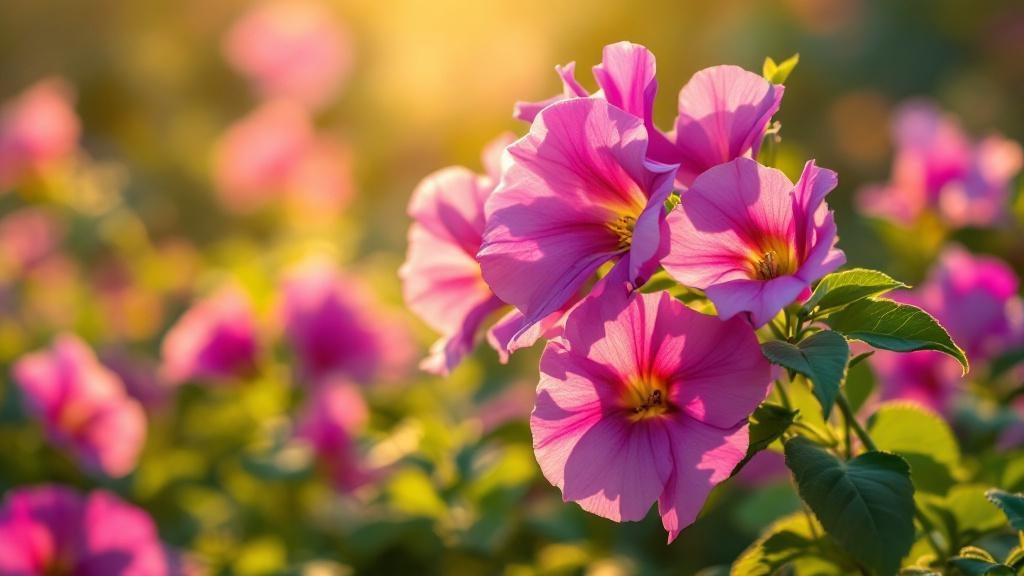
Black Cumin
Black cumin (Nigella sativa) is an elegant annual herb that produces delicate blue-white flowers followed by distinctive seed pods filled with flavorful, peppery black seeds. Home gardeners most often search for when to sow black cumin and how to harvest its prized seeds. Native to the Mediterranean and Western Asia, this undemanding herb thrives in temperate gardens and rewards even beginner growers with a generous seed harvest by late summer.
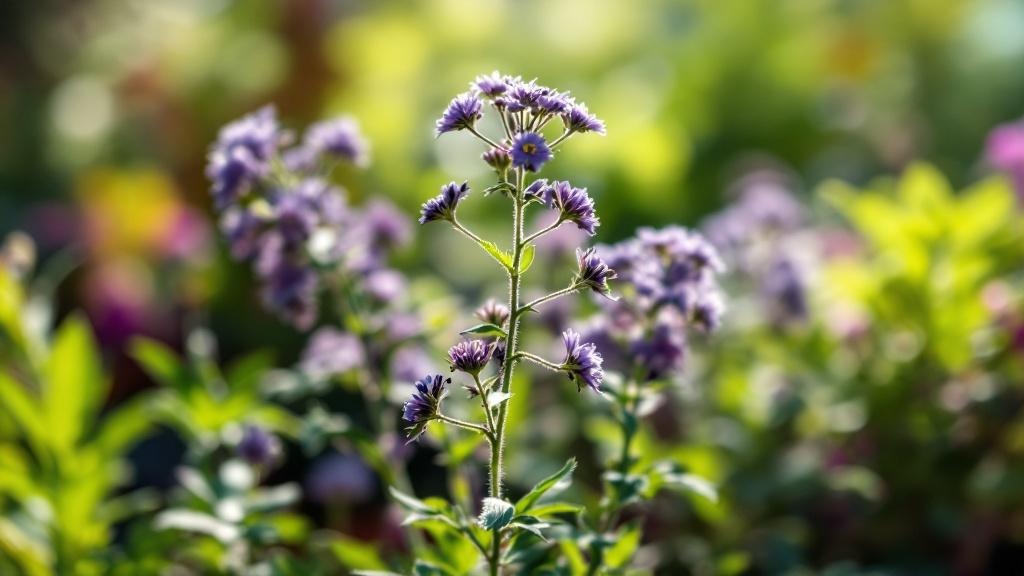
Watering Black Cumin: Finding the Right Balance
Water black cumin deeply once a week during the growing season, allowing the top 2-3 cm of soil to dry between waterings. During hot July and August spells, increase frequency to every 4-5 days. Reduce watering once seed pods begin to brown in late summer, as drier conditions help seeds mature properly. Avoid waterlogging, which can cause root rot in this Mediterranean native.
Light Requirements for Healthy Growth
Black cumin performs best in full sun, requiring at least 6 hours of direct sunlight daily. In warmer parts of zones 7-8, light afternoon shade can prevent stress during peak summer heat. Position plants in a south-facing bed for optimal seed production. Insufficient light leads to leggy growth and reduced flowering.
Soil and Planting for Black Cumin
Plant black cumin in well-draining soil with a pH between 6.0 and 7.5. Average garden soil works well; overly rich soil encourages foliage at the expense of seeds. Direct sow seeds outdoors in mid-April to early May, once soil temperatures reach 10°C, scattering them 1 cm deep and thinning seedlings to 15-20 cm apart. Black cumin has a taproot and does not transplant well, so direct sowing is strongly recommended.
Temperature and Climate Considerations
Black cumin thrives in temperatures between 15-25°C and tolerates brief dips to 5°C once established. Sow after the last frost date in your area, typically late April in zones 5-6 or mid-April in zones 7-8. The plant completes its lifecycle in 100-120 days, so early sowing ensures seed harvest before autumn frosts. Provide a sheltered spot to protect delicate stems from strong winds.
Fertilizing Black Cumin Plants
Black cumin is a light feeder that rarely needs supplemental fertilization in average garden soil. If your soil is poor, work in a thin layer of compost before sowing. Avoid high-nitrogen fertilizers, which promote leafy growth but reduce seed yield. A single application of balanced organic fertilizer at half-strength in early June is sufficient for most gardens.
Common Problems and Solutions
Aphids often appear on young growth in May and June; spray them off with water or apply insecticidal soap. Powdery mildew can develop in humid late-summer conditions, especially in crowded plantings; ensure adequate spacing and air circulation. Damping off affects seedlings in cold, wet soil, so wait until soil warms before sowing and avoid overwatering young plants.
Frequently asked questions
When should I plant black cumin seeds?
Sow black cumin seeds directly outdoors from mid-April to early May, after the last frost when soil temperatures reach at least 10°C. In colder zones 5-6, wait until late April or early May. Seeds germinate in 10-14 days and the plant needs a full growing season to produce mature seeds before autumn.
How do I harvest black cumin seeds?
Harvest black cumin seeds when the seed pods turn brown and papery, typically in August or early September. Cut the entire seed heads and place them upside down in a paper bag to dry for 1-2 weeks. Shake or gently crush the pods to release the small black seeds, then store them in an airtight container.
Why are my black cumin leaves turning yellow?
Yellow leaves on black cumin usually indicate overwatering or poor drainage. Allow soil to dry between waterings and ensure your planting site does not retain standing water. Yellowing lower leaves late in the season is normal as the plant directs energy toward seed production.
Is black cumin the same as regular cumin?
No, black cumin (Nigella sativa) is a completely different plant from common cumin (Cuminum cyminum). Black cumin produces small black seeds with a peppery, slightly bitter flavor, while regular cumin seeds are tan and have a warm, earthy taste. They are not interchangeable in recipes.
Can I grow black cumin in pots?
Yes, black cumin grows well in containers at least 20 cm deep to accommodate its taproot. Use well-draining potting mix and place the pot in full sun. Water when the top 2 cm of soil feels dry and expect slightly smaller plants than those grown in garden beds.