Black Rose Aeonium
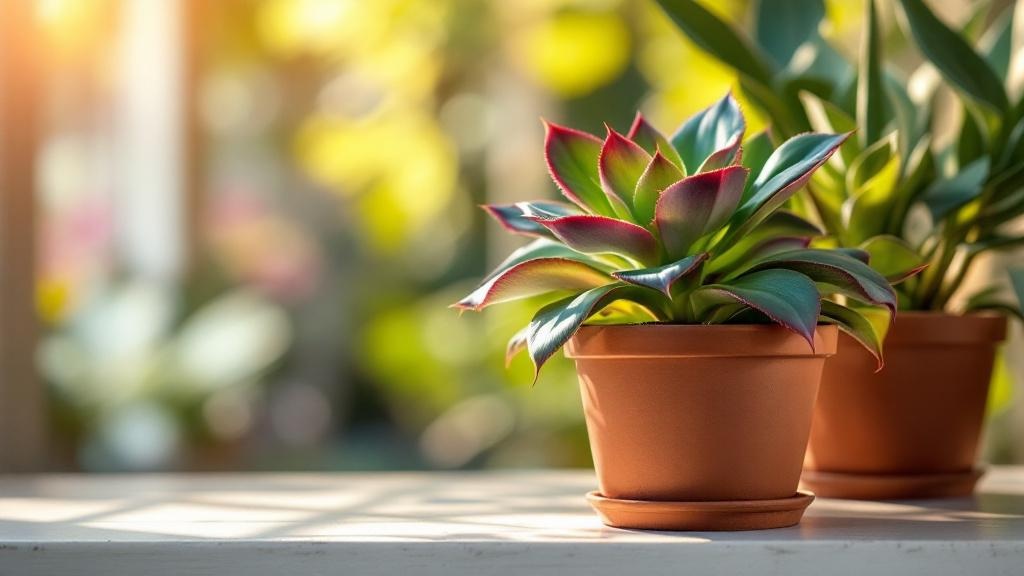
Black Rose Aeonium, also called Aeonium Zwartkop, captivates gardeners with its glossy, near-black rosettes that look almost too perfect to be real. Native to the Canary Islands, this succulent has become a favorite for patio containers and sunny windowsills across temperate regions. The most common question owners ask is why their plant loses its dramatic dark coloring, which almost always comes down to insufficient light. Understanding this plant's reversed growing season is the key to keeping it thriving year after year.
Watering Your Black Rose Aeonium Correctly
Water thoroughly every 10-14 days during the active growing season from October through May, allowing soil to dry completely between waterings. In summer, when the plant goes semi-dormant, reduce watering to once every 3-4 weeks. Always check that the top 3-4 cm of soil is dry before watering, and never let the rosette sit in water as this causes rapid rot.
Light Requirements for Deep Black Color
Black Rose Aeonium needs at least 6 hours of direct sunlight daily to maintain its signature dark purple-black coloring. In temperate climates, place it outdoors from late May through September in the sunniest spot available. Insufficient light causes the leaves to revert to green, which is the most common complaint among growers. South-facing windows work well for overwintering indoors.
Soil and Repotting for Healthy Roots
Use a fast-draining succulent mix with added perlite or grit in a 2:1 ratio. Terracotta pots work best as they wick away excess moisture and prevent root rot. Repot every 2-3 years in early autumn, just before the active growing season begins. Choose a pot only slightly larger than the root ball, as excess soil retains moisture and encourages rot.
Temperature and Overwintering in Temperate Climates
Black Rose Aeonium tolerates temperatures between 10-24°C but cannot survive frost. In USDA zones 5-8, bring plants indoors by mid-September before nighttime temperatures drop below 7°C. During winter, keep the plant in a cool room around 10-15°C with maximum light. Avoid placing near radiators or heat sources, as warm dry air causes premature dormancy and leaf drop.
Fertilizing for Strong Growth
Feed monthly from October through April with a balanced liquid succulent fertilizer diluted to half strength. Do not fertilize during the summer dormancy period from June through September. Over-fertilizing causes leggy, weak growth and can burn the shallow root system. A single application of slow-release granules in early October can replace monthly feeding if preferred.
Common Problems and How to Fix Them
Leggy stems with sparse leaves indicate insufficient light; move to a sunnier location and the new growth will be compact. Mushy, translucent lower leaves signal overwatering or poor drainage, so reduce watering immediately and check for root rot. Mealybugs and aphids occasionally appear, especially on stressed plants; treat with isopropyl alcohol on a cotton swab or neem oil spray. Vine weevil larvae can attack roots in containers left outdoors, so check root balls when bringing plants inside in autumn.
Frequently asked questions
How often should I water Black Rose Aeonium?
Water every 10-14 days during its winter growing season and every 3-4 weeks in summer when dormant. Always let the soil dry completely between waterings. Overwatering is the most common cause of death in this succulent.
Why is my Black Rose Aeonium turning green?
Your plant is not getting enough direct sunlight to produce the dark pigments. Move it to a location with at least 6 hours of direct sun daily. The new growth will gradually return to its characteristic dark purple-black color within a few weeks.
When does Black Rose Aeonium bloom?
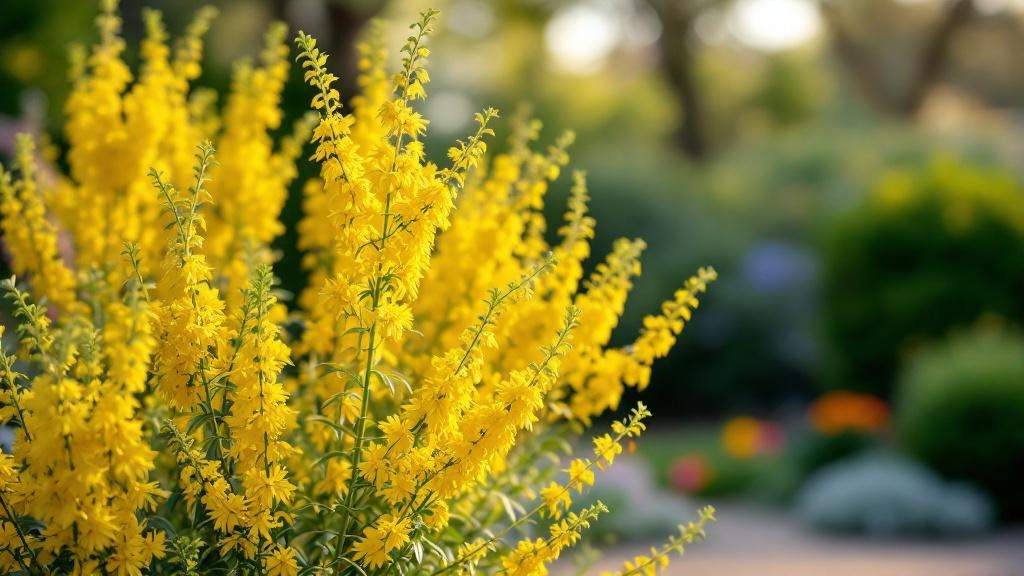
Black Rose Aeonium produces tall spikes of yellow star-shaped flowers in late spring, typically April to May in temperate climates. The flowering rosette dies after blooming, but the plant produces offsets that continue growing. Mature plants are usually 3-5 years old before first flowering.
Is Black Rose Aeonium toxic to cats?
No, Black Rose Aeonium is non-toxic to cats and dogs according to the ASPCA. While ingestion might cause mild stomach upset due to the unusual plant matter, it poses no serious poisoning risk. It remains a safe choice for households with curious pets.
Can Black Rose Aeonium survive winter outdoors in the UK?
No, Black Rose Aeonium cannot survive outdoors during UK winters as it is frost-tender. Temperatures below 7°C cause damage, and any frost will kill the plant. Bring it indoors by mid-September and place in a bright, cool room until late May when frost risk has passed.