Snowdrop
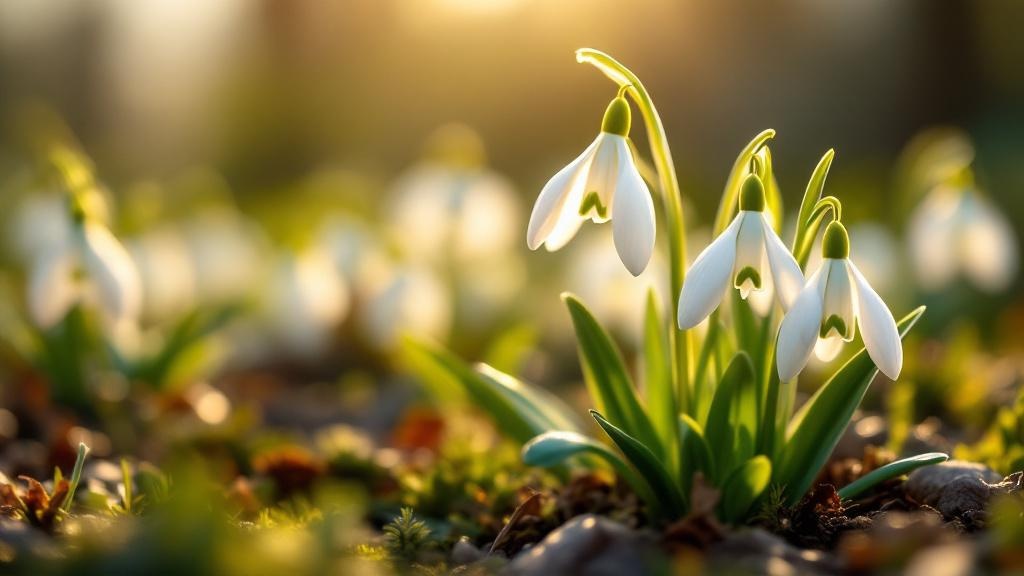
Snowdrops are the quintessential harbingers of spring, beloved for their delicate white bell-shaped flowers that appear as early as late January in milder areas. The most common question gardeners ask is when and how to plant snowdrop bulbs for the best display. These woodland natives from Central Europe thrive in temperate climates and will multiply year after year, creating stunning drifts of white beneath deciduous trees and along shaded borders.
Watering Your Snowdrops
Snowdrops need consistent moisture during their active growing period from late winter through spring. Water newly planted bulbs thoroughly and keep soil lightly moist until foliage dies back naturally in late May. Once dormant in summer, snowdrops prefer drier conditions and typically survive on natural rainfall alone in temperate climates.
Light Requirements for Snowdrops
Plant snowdrops in partial shade or beneath deciduous trees where they receive dappled winter sunlight. They bloom before most trees leaf out, so summer shade from a full canopy is ideal. Avoid full sun locations, which can cause bulbs to dry out and flowers to fade quickly.
Soil and Planting Snowdrop Bulbs
Snowdrops thrive in humus-rich, moisture-retentive soil that drains well. Plant dry bulbs 8-10 cm deep in September and October, or transplant 'in the green' immediately after flowering in March for better establishment. Add leaf mold or compost when planting and avoid heavy clay that stays waterlogged, which causes bulb rot.
Temperature and Humidity Needs
Snowdrops are extremely cold-hardy and require a period of winter chill to bloom properly, making them perfect for USDA zones 3-8. They tolerate heavy frost and snow without damage to their flowers. High humidity during their growing season is beneficial, but ensure good air circulation to prevent fungal issues.
Feeding Snowdrops
Snowdrops are light feeders and rarely need fertilizing in average garden soil. If desired, apply a thin layer of leaf mold or well-rotted compost over dormant bulbs in autumn. Avoid high-nitrogen fertilizers, which promote leafy growth at the expense of flowers.
Common Snowdrop Problems and Pests
Grey mold (Botrytis galanthina) is the most serious disease, causing fuzzy grey patches on leaves and bulb rot in wet springs; remove affected plants immediately and improve drainage. Narcissus bulb fly larvae can hollow out bulbs, causing weak growth; inspect bulbs when planting and discard any that feel soft or light. Slugs and snails may damage emerging foliage in February and March; use wildlife-safe slug pellets or copper tape barriers.
Frequently asked questions
When should I plant snowdrop bulbs?
Plant snowdrop bulbs in September or October, or transplant them 'in the green' just after flowering in March. In-the-green transplanting has a higher success rate because dry bulbs desiccate quickly and may fail to establish. Plant immediately upon purchase and water well.
Why are my snowdrop leaves yellow?
Yellowing leaves after flowering is completely normal as snowdrops enter summer dormancy. If leaves yellow during blooming, this indicates waterlogged soil or bulb rot. Check drainage and remove any soft, rotting bulbs to prevent spread to healthy clumps.
When do snowdrops bloom?
Snowdrops typically bloom from late January through March in temperate climates, depending on local conditions. In milder regions like southern England, flowers may appear in January, while in colder zones, expect blooms in February or March. Each flower lasts about two weeks.
Are snowdrops toxic to cats and dogs?
Yes, all parts of snowdrops are toxic to cats, dogs, and humans. They contain galantamine and other alkaloids that cause vomiting, diarrhea, and drooling if ingested. The bulbs are most toxic, so take care when planting if pets dig in the garden.
How do I get snowdrops to spread?
Snowdrops spread naturally by self-seeding and bulb division over several years. To speed naturalization, divide congested clumps in the green every 3-4 years and replant immediately in prepared soil. Leave foliage to die back naturally so bulbs can store energy for multiplication.