Cauliflower
Cauliflower is one of the most rewarding brassicas to grow in temperate climates, but timing and pest management make the difference between a perfect white head and disappointment. Whether you're starting from seed indoors in late January or transplanting seedlings in spring, understanding your growing season and regional cabbage moths is essential for success.
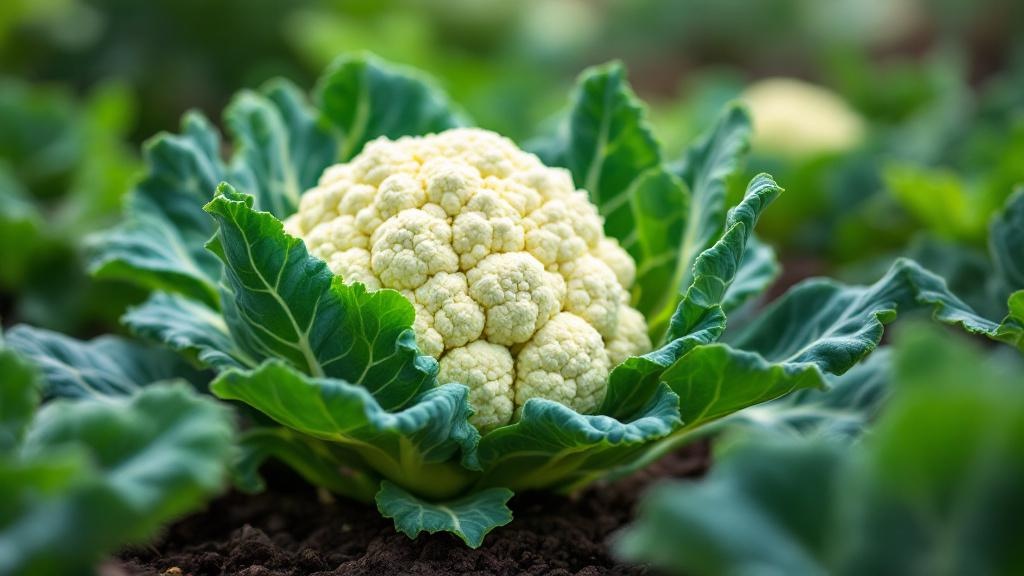
Watering Cauliflower Properly
Cauliflower needs consistent moisture — aim for 1-2 inches per week, delivered through drip irrigation or soaker hoses to keep foliage dry. In summer heat waves, increase to twice weekly and mulch heavily (5cm straw) to regulate soil temperature and reduce water stress. Inconsistent watering causes ricey, hollow curds; in late summer, maintain steady moisture as heads form. Overhead watering invites fungal disease and attracts pests, so water at soil level early morning.
Light Requirements for Heads
Cauliflower needs 6-8 hours of direct sun daily to form compact, dense curds. In temperate zones, morning sun is ideal as it dries dew and reduces disease. In mid-summer heat (July-August), afternoon shade cloth (30-50% density) prevents bolting and heat-stress yellowing when temperatures exceed 75°F (24°C). Lack of light produces loose, leafy heads instead of tight florets.
Soil Preparation & Spacing
Prepare beds with 7-10cm of well-rotted compost or aged manure worked into the top 30cm — cauliflower is a heavy feeder and needs pH 6.0-7.5. Space transplants 45-60cm apart in rows 75cm apart; cramped plants compete for nutrients and develop small heads. Mulch with 5cm straw to suppress weeds, regulate moisture, and keep heads clean. In spring and autumn, add a balanced slow-release fertilizer (5-10-10) at planting.
Temperature & Season Timing
Cauliflower thrives in cool weather (55-70°F / 13-21°C) and bolts rapidly above 75°F (24°C). In temperate zones (USDA 5-8), sow seeds indoors by late January for spring harvest (May-June), or direct-sow outdoors in late June for autumn crop (September-November). Autumn crops often succeed better — longer growing period, fewer heat-related problems, and natural cooling aids curd quality. Protect autumn plants from early frost with row covers once heads form.
Feeding & Nutrient Needs
Apply balanced fertilizer (10-10-10 or 7-7-7) every 3-4 weeks starting 3 weeks after transplanting. Switch to higher nitrogen (12-5-5) if leaves pale yellow. Once curds begin forming (when head reaches 5-7cm diameter), reduce nitrogen and apply potassium-rich fertilizer (5-10-15) every 2 weeks to firm curds. Boron deficiency causes browning inside heads — use compost tea or seaweed extract monthly as preventive. Avoid excess nitrogen, which delays head formation.
Common Problems & Pest Control
Cabbage moths and small white butterflies are the main pest threat in temperate Europe and North America — install fine netting (0.8mm mesh) over crops from planting through harvest. Clubroot fungus persists in soil for 20 years; prevent by rotating brassicas, adding lime to raise pH above 7.0, and choosing resistant varieties. Powdery mildew appears in humid August weather — improve air flow, spray with sulfur dust (early morning), and avoid overhead watering. Brown rot and bacterial spot require roguing infected plants immediately.
Frequently asked questions
How long does cauliflower take to grow from transplant to harvest?
Most cauliflower varieties mature 60-90 days after transplanting, depending on variety and temperature. Cool spring weather (13-18°C) extends the timeline but improves curd quality; hot summer heat accelerates bolting and reduces size. Autumn crops often need 75-90 days because of declining daylight and cooler nights.
Why is my cauliflower head turning yellow or green?
Yellow indicates sun exposure and heat stress — blanch heads by tying outer leaves loosely over curds once they're 5-7cm wide. Green tint means high chlorophyll from light exposure or variety trait; it's still edible but indicates under-blanching. If yellowing appears early with wilting, check for clubroot or root rot from waterlogging.
Can I grow cauliflower in containers or in small gardens?
Yes, dwarf or compact varieties like 'Cheddar' and 'Romanesco' succeed in large containers (30-40 liters) or raised beds with 60cm spacing. Containers dry quickly in summer heat, so water daily and mulch heavily. Container-grown plants need weekly feeding with liquid seaweed or compost tea because nutrients leach faster than ground crops.
How do I know when to harvest cauliflower?
Harvest when the head (curd) is firm, white, and 15-20cm in diameter but the florets are still tightly packed and haven't begun to separate. Cut the main head with 15-20cm of stem, leaving the plant — many varieties produce small secondary heads over the following weeks. Morning harvest after dew dries is ideal for best quality and storage life.
Should I blanch my cauliflower and how?
Blanching keeps curds white and tender and is essential in sunny regions. Once the head reaches 5-7cm diameter, loosely gather and tie outer leaves over the curd with twine or elastic bands — don't compress tightly or moisture builds up and rots the head. Check every 3-5 days; blanched heads mature 1-2 weeks faster than exposed ones.
🩺 Common diseases and pests
These problems commonly affect this plant. Click any to see full symptom descriptions, organic and chemical treatment, and prevention.