Boron deficiency
📖 Overview
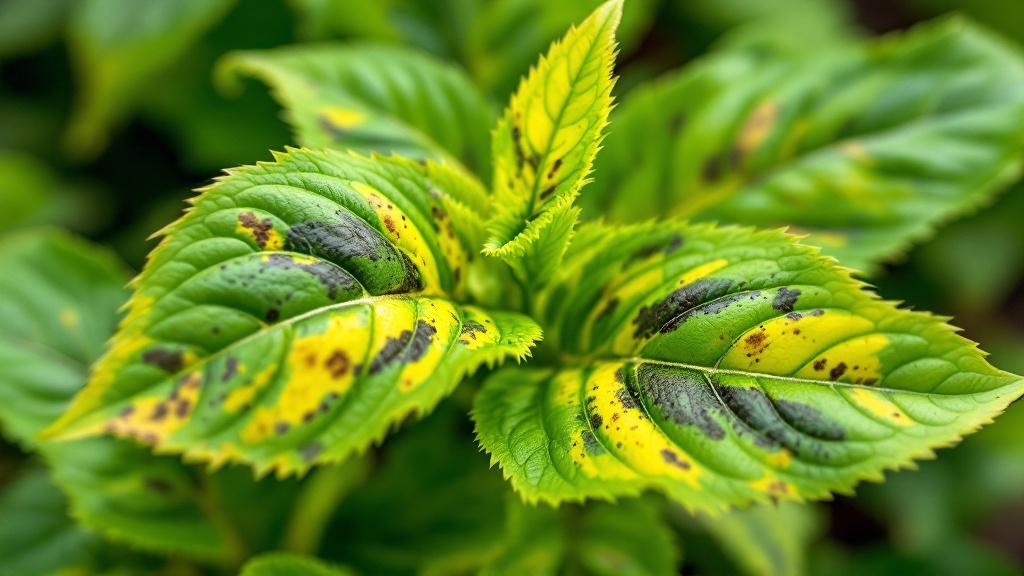
Boron deficiency is a micronutrient problem that silently damages fruit, vegetable, and ornamental crops in your garden, especially if you garden on chalky or alkaline soils common across temperate Europe. Unlike nitrogen or phosphorus shortages, boron hunger doesn't announce itself with yellowed leaves—instead, it deforms developing fruits, hollows out roots, and causes tissue death at growing shoot tips, making the plant look stunted and brittle. This matters most to gardeners growing brassicas like cauliflower and broccoli, root crops such as beets and turnips, and fruit trees like apples and pears; affected cauliflower develops a brown, rotten interior (called browning), beets turn black and hollow at the core (heart rot), and apples show corky patches under the skin and remain undersized. The danger window arrives in spring and early summer, from April through July in temperate climates, when plants flower and set fruit—precisely when boron demand peaks. The first sign you'll notice is deformed, twisted new growth at stem tips followed by dark, dead patches on that tissue, or when you harvest, you discover your beet has a black, hollow center or your cauliflower head is riddled with brown rot inside. Boron deficiency looks distinctly different from other problems: it's not a disease (there's no pathogen), not a pest damage (no insects involved), and not general iron deficiency—it's a specific micronutrient starvation that strikes regardless of overall soil fertility, particularly when soil pH exceeds 7.0 or during dry spells that lock up the boron already present.
🔍 How to identify
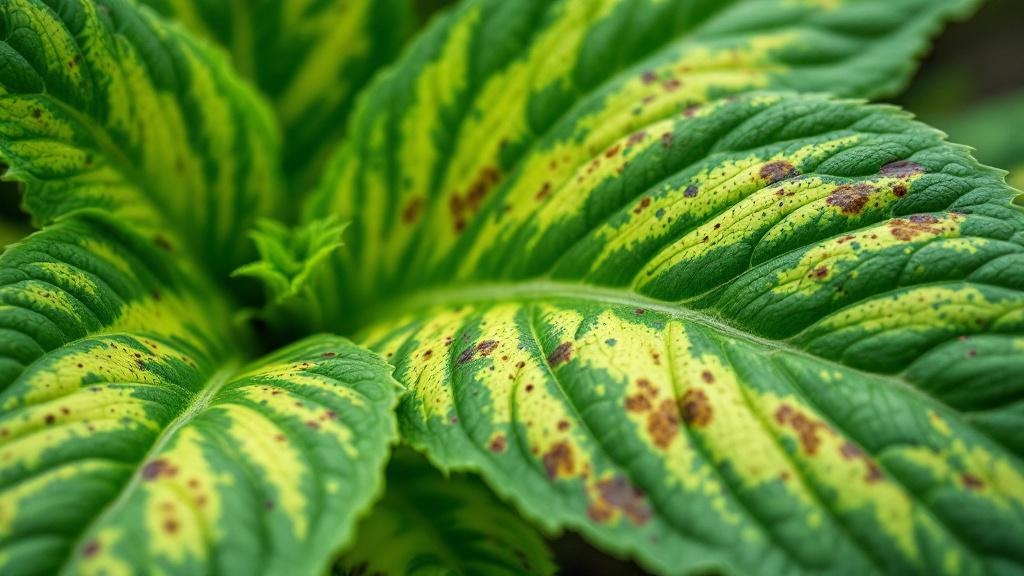
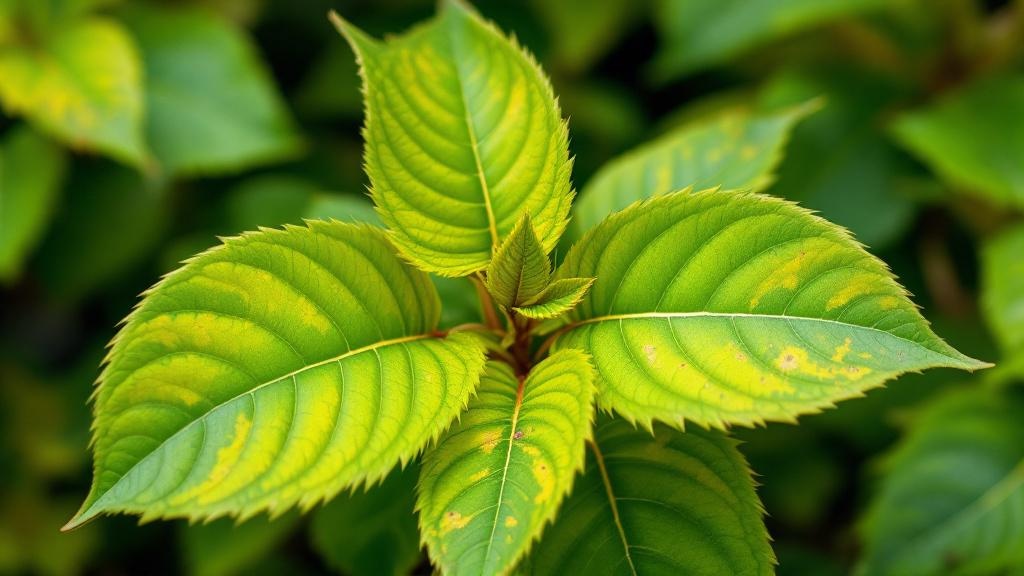
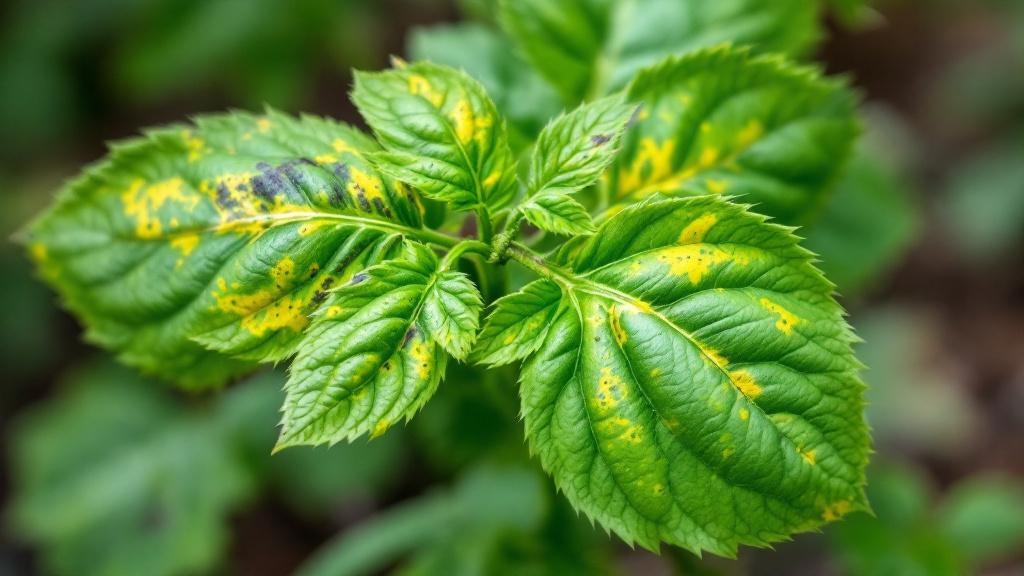
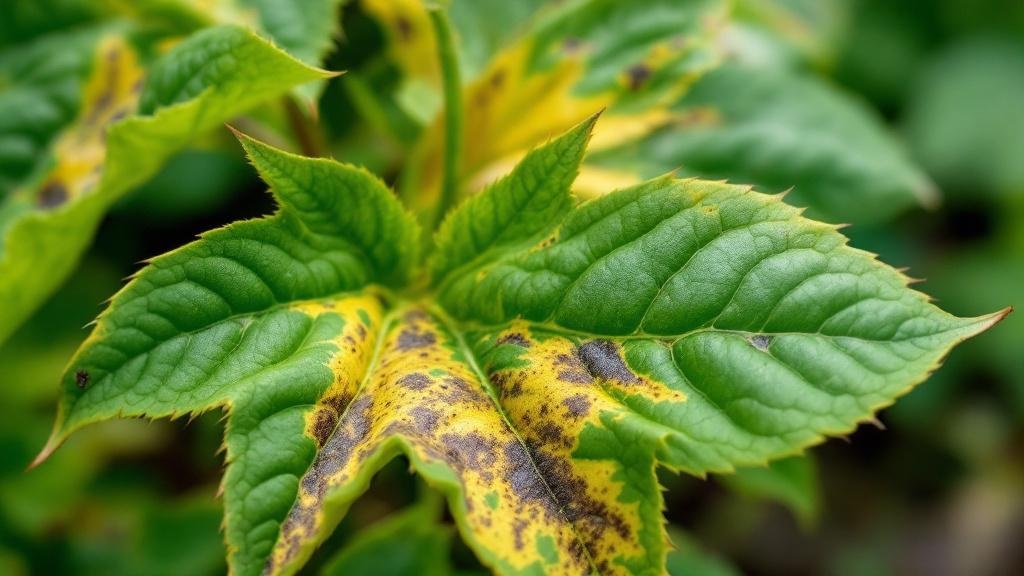
Karfiolon: a torzsa barna belseje ("barnabél"). Céklán: a gumó középrésze fekete, üreges ("szívrothadás"). Almán: parásodott foltok a héj alatt + kisebb deformált alma. Hajtáscsúcs nekrózisa, törékenység.
🌿 Common host plants
💊 Treatment
Bór-borax lombtrágya (0,1-0,2%) virágzás előtt + virágzás után. Komposzt + tengeri moszat sűrűn bevitt.
Solubor (Na₂B₄O₇·5H₂O) talajba (1-2 kg/ha) vagy lombtrágyaként (2 g/liter). Túlságosan magas adag MÉRGEZ — pontosan kövesd!
🛡️ Prevention
Talajvizsgálat — 0,5 mg B/kg alatt hiányos. Káposztaféléket NE meszezett, magas pH-jú talajra (gátolja a B felvételét). Szárazság fokozza a hiányt, öntözéssel részben kezelhető.
💡 Notes
A magyar magas-pH-jú talajok 30-40%-án limitált a B felvehetősége.
Frequently asked questions
How can I tell if my garden soil is actually low in boron?
A soil test is the only reliable answer—labs measure available boron, and anything below 0.5 mg/kg indicates deficiency. If you garden on chalky or limed soil (pH above 7.0), you're at high risk even if boron is present, because the plant cannot absorb it at high pH.
Which conditions make boron deficiency worse?
Dry summers, high soil pH (above 7.0), and recent liming all lock up boron. Drought is a major trigger—regular watering can partly offset a mild deficiency by improving boron mobility in the soil.
Can I fix it once my cauliflower or beet already shows symptoms?
Partially, but not completely for that crop year. Once browning appears in cauliflower or heart rot in beets, those tissues are dead and won't recover; however, a foliar spray of boron solution (0.1–0.2% boric acid or borax) applied before flowering can prevent the problem in later flower clusters or new growth.
What's the safest organic way to treat this if I have children or pets?
Seaweed extract applied regularly (every 2–3 weeks through the growing season) provides slow, balanced boron along with other trace minerals and is safe for families. Compost rich in organic matter also helps boron availability; add well-rotted compost annually rather than relying on synthetic borax, which is more concentrated and requires careful dosing.
Should I avoid liming my brassica and beet beds?
Yes, if boron is already marginal in your soil. Liming raises pH and further locks up boron availability; instead, focus on maintaining pH around 6.5–7.0 for brassicas and 6.0–7.0 for beets, and test soil boron before adding lime.
Not sure what's wrong? Take a photo!
Plantora's AI Plant Doctor identifies the issue from a single photo in seconds and gives you a tailored treatment guide.
Try AI diagnosis (free) →