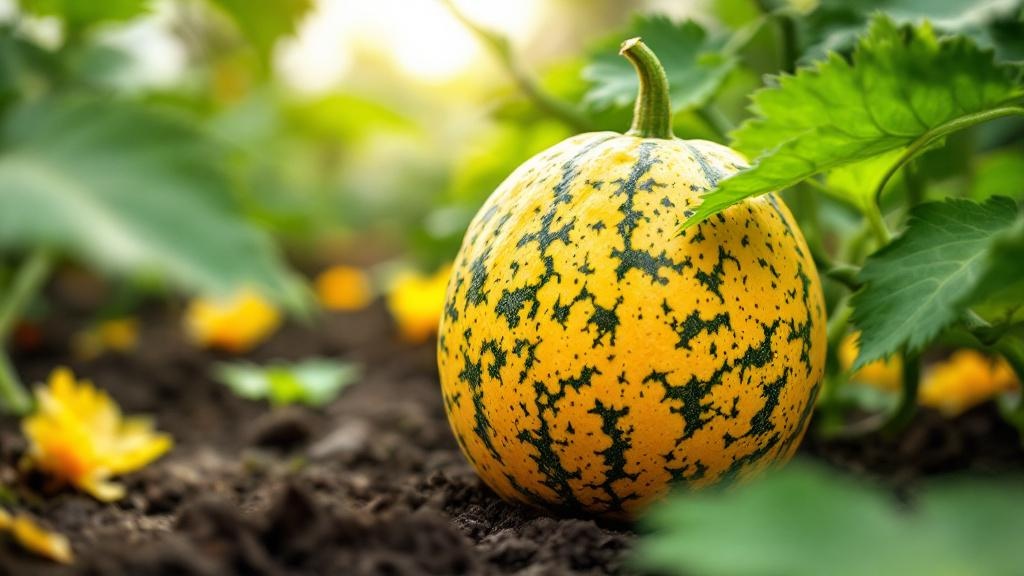
Cherimoya
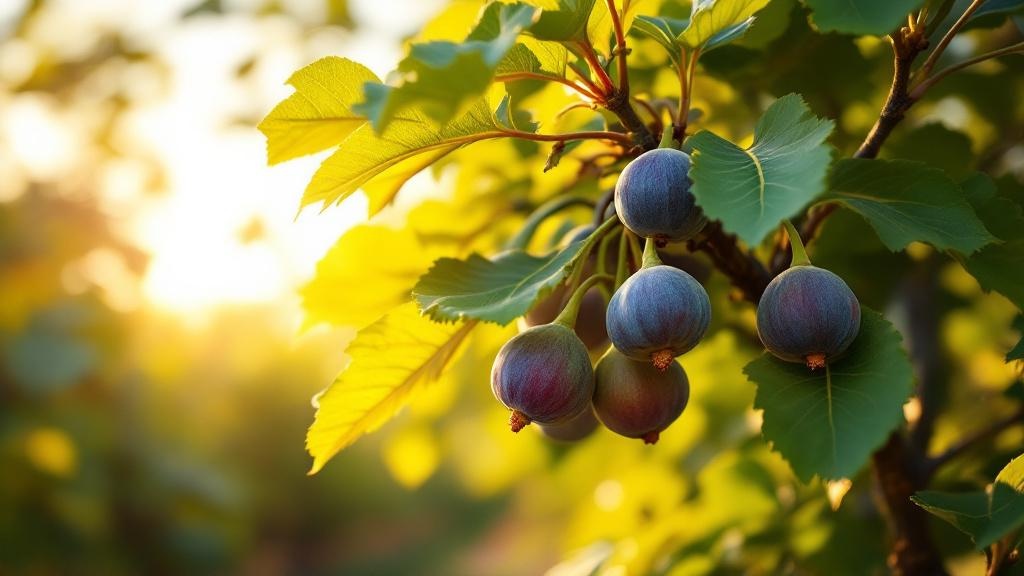
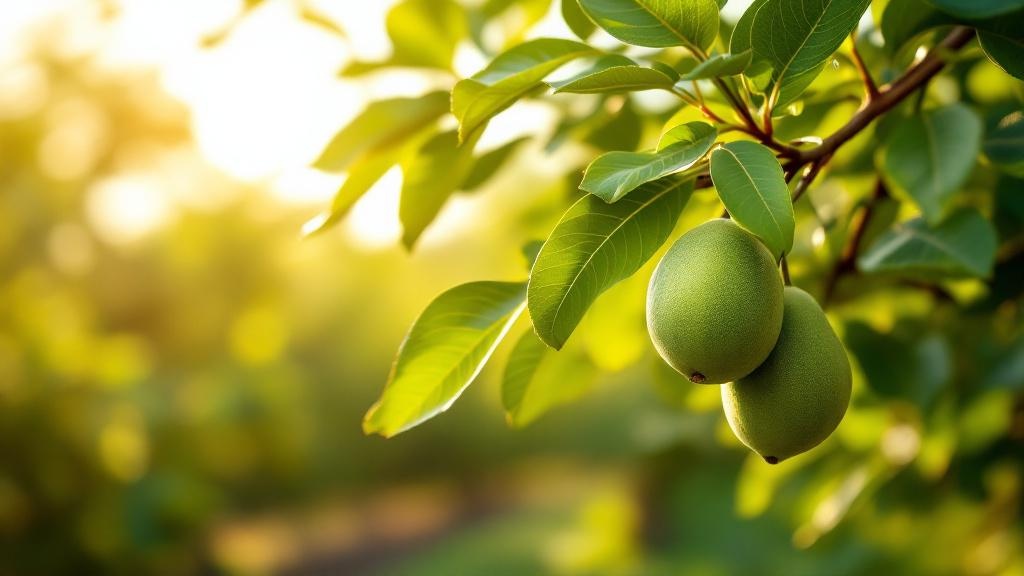
Cherimoya, often called the custard apple, produces one of the most delicious fruits in the world with its creamy vanilla-pineapple flavor. The most common question gardeners ask is whether cherimoya can survive in temperate climates. The answer is yes, but with care. This subtropical tree from the Andes requires winter protection in USDA zones 5-8, making container growing the most practical approach for most Central European, UK, and Northern US gardeners.
Watering Your Cherimoya Tree Correctly
Water cherimoya deeply every 7-10 days during the active growing season from May through September, allowing the top 5cm of soil to dry between waterings. Reduce watering significantly in winter to every 2-3 weeks, as overwatering dormant trees causes root rot. Container-grown trees dry out faster and may need watering twice weekly during hot July and August spells.
Light Requirements for Healthy Growth
Cherimoya needs full sun with at least 6 hours of direct light daily to produce fruit. In temperate regions, place containers against south-facing walls from late April through October to maximize warmth and light exposure. During winter months indoors, position near the brightest window or supplement with grow lights for 10-12 hours daily to prevent leggy growth.
Soil and Repotting for Container Culture
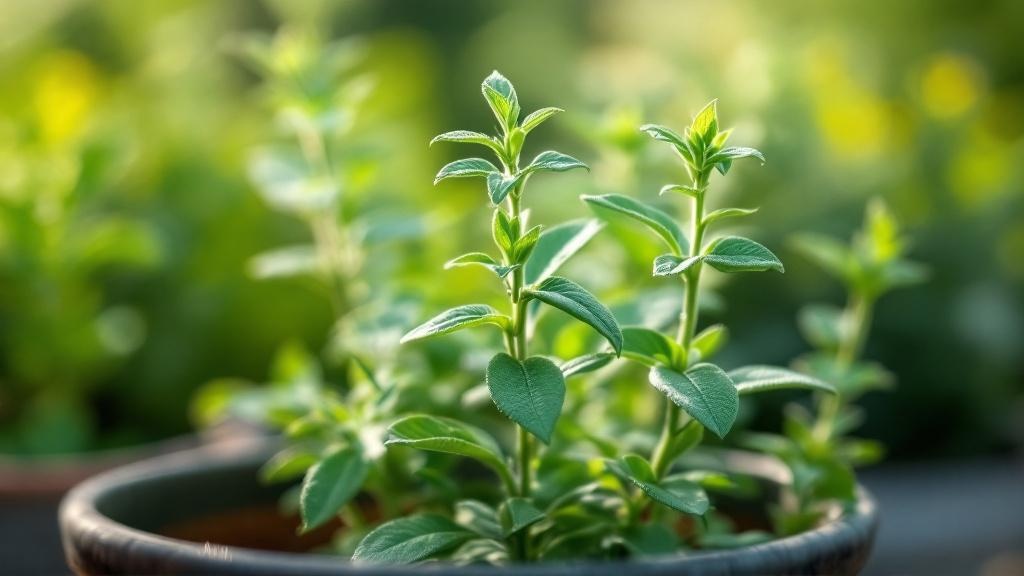
Use a rich, well-draining mix of equal parts loam, perlite, and compost with a slightly acidic pH of 6.5-7.0. Repot young trees annually in March before new growth begins, moving up one pot size each year. Mature trees in 50-70 liter containers can remain for 3-4 years with annual top-dressing of fresh compost.
Temperature and Humidity Management
Cherimoya grows best between 18-25°C and must be brought indoors before first frost, typically by late September in most temperate zones. Trees tolerate brief dips to -2°C but suffer damage below this. Maintain 50-60% humidity indoors during winter by misting regularly or using a humidity tray, as central heating creates excessively dry conditions.
Fertilizing for Fruit Production
Apply a balanced organic fertilizer (such as 5-5-5) every 4-6 weeks from April through August. Supplement with a high-potassium feed in June and July to encourage flowering and fruit set. Stop fertilizing entirely by mid-September to allow the tree to harden off before its winter rest period.
Common Problems and Solutions
Spider mites are the most frequent pest on indoor cherimoya, especially in dry winter conditions; treat with insecticidal soap and increase humidity. Mealybugs cluster in leaf axils and on young stems; remove with alcohol-soaked cotton swabs. Root rot from overwatering causes yellowing leaves and mushy stems; improve drainage and reduce watering immediately if detected.
Frequently asked questions
How often should I water a cherimoya tree?
Water your cherimoya every 7-10 days during the growing season, allowing soil to partially dry between waterings. In winter, reduce to every 2-3 weeks as the tree rests. Container trees may need more frequent watering in summer heat.
Why are my cherimoya leaves turning yellow?
Yellow cherimoya leaves most commonly indicate overwatering or poor drainage causing root stress. Check that water flows freely from drainage holes and reduce watering frequency. Yellowing can also signal iron deficiency in alkaline soil, treatable with chelated iron supplements.
Can cherimoya survive winter outdoors in the UK?
No, cherimoya cannot survive UK winters outdoors as it suffers damage below -2°C. Grow in containers and bring indoors to a bright, cool room (10-15°C) by late September. A heated greenhouse or conservatory provides ideal overwintering conditions.
Do you need two cherimoya trees to get fruit?
No, cherimoya is self-fertile, but you typically need to hand-pollinate for fruit set. The flowers open as female in the morning and male in the afternoon, so collect pollen from afternoon flowers and apply to morning flowers the next day using a small brush.
When does cherimoya produce fruit?
Cherimoya typically flowers in late spring and produces ripe fruit 5-7 months later, usually October through December. Trees grown from seed may take 4-8 years to fruit, while grafted specimens can fruit within 2-3 years. In temperate container culture, expect smaller yields than in subtropical climates.