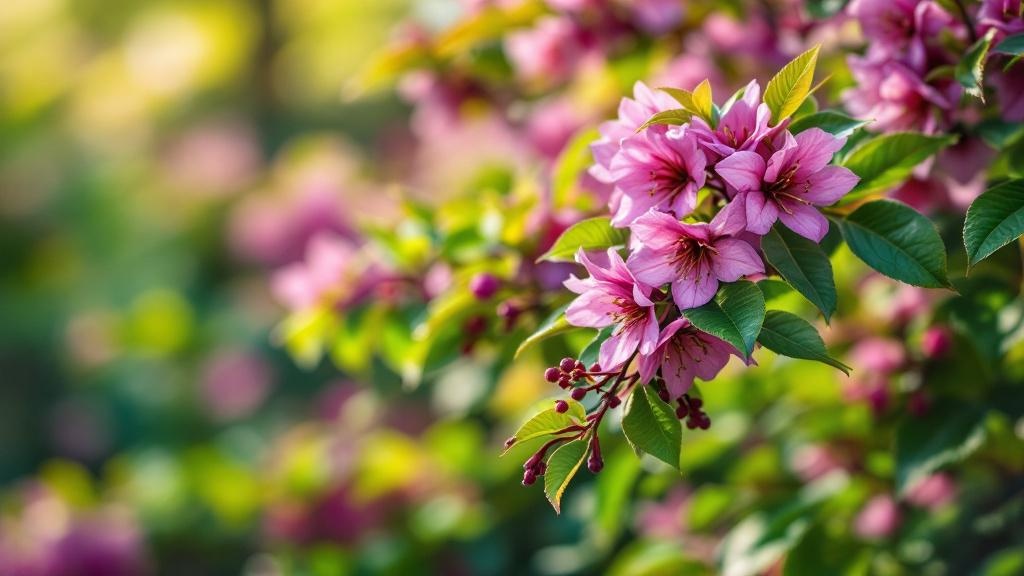
Tickseed
Tickseed is one of the most rewarding perennials for temperate gardens, producing waves of bright blooms from early summer until frost with minimal effort. Native to North America, these hardy plants have become garden favorites across Central Europe and the UK for good reason. The most common question gardeners ask is how to keep Coreopsis blooming all season long — and the answer lies in proper deadheading and understanding this drought-tolerant plant's surprisingly simple needs.

Watering Tickseed: Less Is More
Water newly planted Tickseed deeply once per week during the first growing season to establish strong roots. Once established, Coreopsis is remarkably drought-tolerant and typically only needs supplemental watering during extended dry spells in July and August. Overwatering is the most common mistake — soggy soil leads to root rot. In temperate climates, natural rainfall is often sufficient for mature plants.
Light Requirements for Maximum Blooms
Tickseed demands full sun to perform its best, requiring at least 6 hours of direct sunlight daily. Plants grown in partial shade become leggy, flop over, and produce significantly fewer flowers. In UK and Northern European gardens, choose the sunniest spot available — unlike Mediterranean plants, Coreopsis won't suffer from full exposure even during summer heatwaves.
Soil and Repotting Needs
Coreopsis thrives in average to poor, well-draining soil and actually blooms better without rich compost. Heavy clay soils common in many UK and Central European gardens should be amended with horticultural grit or sharp sand to improve drainage. If growing in containers, repot every 2-3 years in early April using a gritty, free-draining mix. Avoid moisture-retentive composts designed for bedding plants.
Temperature and Humidity Tolerance
Tickseed is fully hardy throughout temperate zones, surviving winters down to -29°C without protection. Most varieties die back completely in November and re-emerge in mid-April. High humidity is not a problem, but ensure good air circulation between plants to prevent fungal issues during damp British summers. No winter protection is needed in zones 5-8.
Fertilizing Schedule for Healthy Growth
Tickseed performs best with minimal feeding — overfertilizing produces lush foliage at the expense of flowers. Apply a light dressing of general-purpose granular fertilizer in early April as new growth emerges. Avoid high-nitrogen feeds entirely. Container-grown plants benefit from a diluted liquid feed monthly from May to July, but garden plants rarely need additional nutrition.
Common Problems and Solutions
Powdery mildew appears as white patches on leaves during humid summers — improve air circulation and avoid overhead watering. Aphids may cluster on new growth in May and June; blast them off with water or treat with insecticidal soap. Crown rot occurs in waterlogged soil, causing plants to collapse — there is no cure, so prevention through proper drainage is essential. Slugs and snails target young spring growth in damp conditions; use organic slug pellets or copper barriers.
Frequently asked questions
How often should I water Coreopsis?
Water established Tickseed only during prolonged dry periods, roughly every 10-14 days without rainfall. New plants need weekly deep watering during their first summer. Overwatering causes more problems than underwatering with this drought-tolerant perennial.
Why are my Tickseed leaves turning yellow?
Yellow leaves on Coreopsis usually indicate overwatering or poor drainage. Check that soil is not staying constantly wet and improve drainage by adding grit. Lower leaf yellowing in autumn is normal as the plant prepares for dormancy.
When does Coreopsis bloom?
Tickseed blooms from early June through September in temperate climates, with peak flowering in July. Deadheading spent flowers every 1-2 weeks encourages continuous blooming. A hard cutback by one-third in late July can trigger a fresh flush of autumn flowers.
Is Tickseed toxic to cats and dogs?
No, Coreopsis is completely non-toxic to cats, dogs, and other pets. This makes Tickseed an excellent choice for gardens where pets roam freely. All parts of the plant are safe if accidentally ingested.
Should I cut back Coreopsis in autumn?
Leave Tickseed foliage standing until late February or early March in temperate climates. The dried stems provide winter habitat for beneficial insects and some visual interest. Cut back dead growth to 5-10cm above soil level before new spring growth emerges in April.