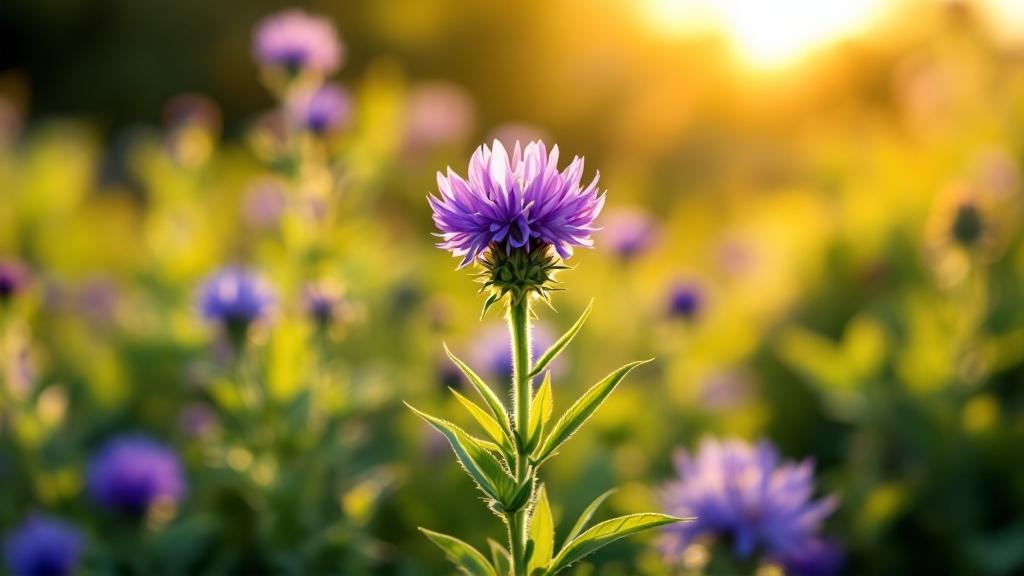
Cornflower
Cornflowers bring that iconic cobalt blue to summer gardens that no other flower quite matches. Originally a common sight in European wheat fields, these charming wildflowers have become cottage garden favorites. The most common question gardeners ask is how to keep cornflowers blooming all season long. With minimal care and the right conditions, these resilient annuals reward you with months of pollinator-friendly flowers from June through September.
Watering Your Cornflowers Correctly
Water cornflowers deeply once per week during dry periods, allowing soil to dry between waterings. Established plants are remarkably drought-tolerant and actually perform poorly in soggy conditions. During hot July and August spells, increase watering to twice weekly. Always water at the base to prevent fungal issues on foliage.
Sunlight Requirements for Best Blooms
Cornflowers demand full sun, needing at least 6 hours of direct sunlight daily for optimal flowering. In partial shade, plants become leggy and produce fewer blooms. South or west-facing positions work best in temperate gardens. Some afternoon shade in the hottest regions can extend bloom time.
Soil and Planting Guidelines
Plant cornflowers in well-draining soil with average to poor fertility; rich soil produces excessive foliage at the expense of flowers. They tolerate pH levels from 6.0 to 7.5 without complaint. Direct sow seeds in early April or September for earlier spring blooms. Thin seedlings to 20-25cm apart once they reach 5cm tall.
Temperature and Humidity Preferences
Cornflowers thrive in typical temperate conditions between 5-30°C and tolerate light frosts down to minus 5°C. They actually prefer cooler summers and may stop blooming during extended heatwaves above 32°C. Humidity is rarely a concern as they handle both dry and moderately humid conditions. Autumn-sown plants develop stronger root systems and bloom earlier the following year.
Feeding Schedule for Cornflowers
Cornflowers require minimal fertilizing and actually bloom better in lean soil. A single application of balanced slow-release fertilizer in late April is sufficient for the entire season. Avoid high-nitrogen feeds which promote leafy growth over flowers. Container-grown plants benefit from diluted liquid feed every 3-4 weeks during peak blooming.
Common Cornflower Problems and Solutions
Powdery mildew appears as white patches in humid late-summer conditions; improve air circulation and avoid overhead watering. Aphids commonly cluster on stems in May and June; spray with diluted neem oil or introduce ladybirds for natural control. Root rot occurs in waterlogged soil, especially in heavy clay; amend with grit before planting. Slugs and snails target young seedlings in spring; use organic slug pellets or copper tape barriers.
Frequently asked questions
How often should I water cornflowers?
Water cornflowers once weekly during dry periods, allowing soil to dry between waterings. Established plants are drought-tolerant and prefer slightly dry conditions over constant moisture. Increase to twice weekly only during extended hot spells above 25°C.
Why are my cornflower leaves turning yellow?
Yellow leaves typically indicate overwatering or poor drainage causing root stress. Check that soil drains freely and reduce watering frequency. Lower leaves yellowing naturally as the plant matures is normal and can be removed without concern.
When do cornflowers bloom in the UK?
Cornflowers bloom from late May through September in temperate climates. Spring-sown seeds flower from July, while autumn-sown plants bloom earlier from late May. Deadheading spent flowers extends blooming by 4-6 weeks.
Are cornflowers toxic to cats?
No, cornflowers are completely non-toxic to cats, dogs, and other pets. They are safe to grow in gardens where pets roam freely. The flowers are even edible for humans and commonly used as cake decorations.
Can I grow cornflowers in pots?
Yes, cornflowers grow well in containers at least 20cm deep with excellent drainage holes. Use a mix of standard potting compost with added perlite or grit. Water more frequently than ground-planted specimens as containers dry out faster.