Forsythia
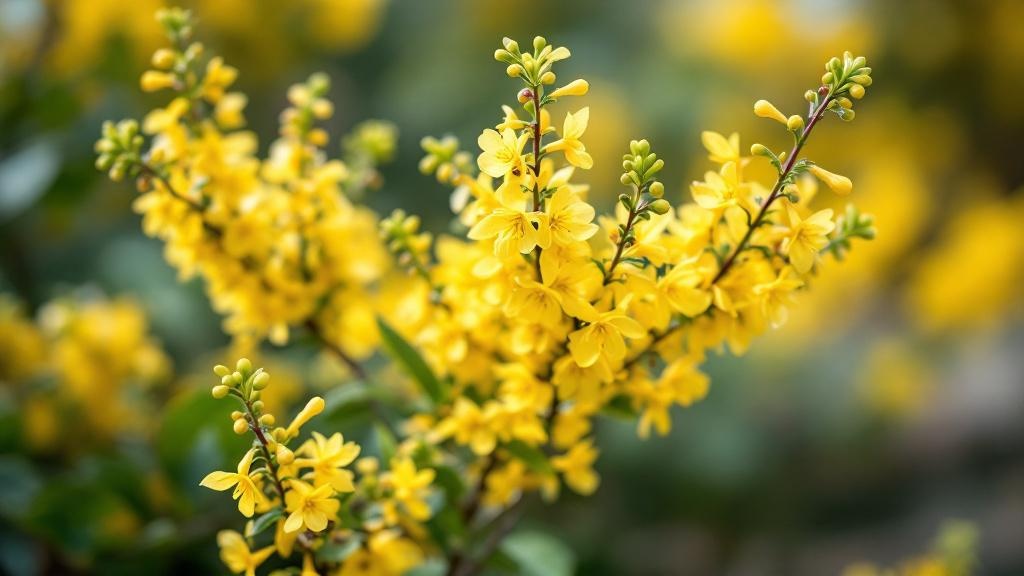
Forsythia is one of the most reliable signs of spring in temperate gardens, with bright yellow flowers appearing before leaves emerge. Many gardeners wonder how to maximize blooms and keep plants compact. The key is understanding forsythia's growth cycle and pruning it correctly after flowering ends.
Watering Your Forsythia
Forsythia needs regular watering during its first growing season to establish a deep root system, roughly 7-10 days in summer unless rainfall is heavy. Once established, forsythia is very drought-tolerant and rarely needs supplemental watering except during prolonged dry spells lasting over 3 weeks. In autumn, gradually reduce watering as the plant enters dormancy. Waterlogging in winter can lead to root rot, so ensure soil drains freely.
Light Requirements for Forsythia
Forsythia flowers most prolifically in full sun, requiring at least 6 hours of direct sunlight daily. Plants grown in partial shade still flower, but with fewer blooms and more open, leggy growth. Afternoon shade is tolerated and may be beneficial in hot continental summers of zones 7-8. Insufficient light also increases susceptibility to fungal diseases like powdery mildew in humid conditions.
Soil and Repotting
Forsythia thrives in well-draining loamy or sandy soil and tolerates poor fertility better than most ornamental shrubs. Add compost or aged manure when planting to improve water retention on sandy soils, but avoid heavy clay without drainage amendment. Repotting is not necessary for landscape forsythia; however, potted specimens should be shifted to a 2-3 size larger container every 2-3 years using John Innes No. 3 or equivalent.
Temperature and Humidity
Forsythia is cold-hardy throughout temperate zones 5-8 and actually requires chilling hours below 10°C in winter to set flower buds properly. Unpredictable late-spring frosts in March-April rarely damage forsythia because flowers are resilient, though a hard freeze may reduce bloom density. High humidity in summer increases powdery mildew risk; ensure good air circulation around plants.
Fertilizing Forsythia
Forsythia needs minimal feeding; a single application of balanced slow-release fertilizer in early spring as growth begins is sufficient for most gardens. In poor soils, a light application of all-purpose granular fertilizer in March or April supports vigorous growth. Avoid nitrogen-heavy formulas, which promote vegetative growth at the expense of flowers. Do not fertilize after July, as this stimulates tender new growth vulnerable to frost.
Common Problems and Solutions
Powdery mildew is the most common fungal issue in humid continental climates, appearing as a white coating on leaves in late summer; prune to improve air flow and apply sulphur-based fungicide if severe. Root rot can develop in poorly drained or consistently waterlogged soil, especially in clay; improve drainage or relocate the plant. Forsythia sawfly and spider mites occasionally appear but rarely warrant treatment; hose off spider mites with water or apply neem oil in June-July if infestations are heavy.
Frequently asked questions
How often should I water forsythia?
Water newly planted forsythia every 7-10 days during the growing season; once established, it's drought-tolerant and only needs water during dry spells lasting over 3 weeks. In winter, water sparingly to avoid root rot.
When should I prune forsythia?
Prune forsythia immediately after flowering ends in late March or April, removing up to one-third of old wood at the base to encourage bushiness. Pruning after July reduces next spring's flower display because buds have already set.
Why is my forsythia not flowering?
The most common causes are insufficient sunlight (less than 6 hours daily), late-spring frost damage to buds, or pruning at the wrong time. Ensure your plant gets full sun and prune only right after blooms fade.
Is forsythia toxic to cats and dogs?
No, forsythia is completely non-toxic to cats, dogs, and other pets. It is safe to plant anywhere in your garden without worry.
Can forsythia grow in partial shade?
Forsythia tolerates partial shade and will still flower, but blooms are sparser and growth becomes more open and leggy. Full sun (at least 6 hours daily) gives the best display of yellow flowers.