Goat Willow
Goat Willow, also called Pussy Willow, is one of the first trees to flower in late winter, making it a vital food source for pollinators emerging from hibernation. Its fuzzy silver catkins appearing in February and March are a cherished sign of spring across temperate regions. The most common question gardeners ask is whether this vigorous tree can be kept manageable in smaller gardens, and the answer is yes with proper pruning techniques.

Watering Your Goat Willow
Goat Willows naturally grow near water and prefer consistently moist soil, especially during their first two years of establishment. Water deeply once weekly during dry spells from April through September, providing approximately 20-30 liters per session for young trees. Established trees over five years old are drought-tolerant but produce better catkins with adequate moisture. Mulch around the base in late autumn to retain soil moisture through winter.
Light Requirements for Healthy Growth
Plant your Goat Willow in full sun for the best catkin display and strongest growth, though it tolerates partial shade well. In positions receiving less than four hours of direct sunlight, expect fewer flowers and a more open growth habit. South or west-facing positions in UK and Northern European gardens are ideal. Avoid planting where buildings or larger trees will cast deep shade.
Soil and Planting Considerations
Goat Willow thrives in heavy clay soils that would challenge most ornamental trees, making it excellent for difficult wet spots in the garden. Plant bare-root specimens between November and March when dormant, spacing at least 4 meters from buildings and drains as roots seek moisture aggressively. Add organic matter when planting in sandy soils to improve water retention. Repotting container-grown specimens should happen every 2-3 years in early spring before bud break.
Temperature and Seasonal Care
This exceptionally hardy native tree withstands temperatures down to minus 30 degrees Celsius without protection, thriving throughout USDA zones 4-8. Catkins typically emerge in late February in milder areas and mid-March in colder northern regions. No winter protection is needed, though container specimens benefit from root insulation with fleece if temperatures drop below minus 15 degrees. Hot summers above 30 degrees may cause temporary leaf scorch.
Fertilizing Schedule
Established Goat Willows rarely need feeding in garden soil, as their extensive root systems efficiently scavenge nutrients. For young trees or those in containers, apply a balanced slow-release fertilizer like fish blood and bone in late March as growth begins. Avoid high-nitrogen feeds which promote soft growth susceptible to aphid attack. A top-dressing of well-rotted compost in autumn provides sufficient nutrition for most specimens.
Common Problems and Solutions
Willow leaf beetles with metallic blue-green bodies can defoliate trees in June and July; control by removing affected leaves or spraying with pyrethrin-based products available at garden centers. Willow anthracnose fungus causes brown leaf spots and twig dieback during wet springs, managed by pruning out affected growth and improving air circulation. Aphids congregate on new growth in May but are usually controlled naturally by ladybirds and lacewings within weeks.
Frequently asked questions
How often should I water a Goat Willow tree?
Water established Goat Willows deeply once weekly during dry periods from spring through autumn. Young trees in their first two years need more consistent moisture and may require watering twice weekly in summer heat. Reduce watering significantly from November to February when the tree is dormant.
Why are my Goat Willow leaves turning yellow?
Yellow leaves on Goat Willow most commonly indicate waterlogging or drought stress. Check soil moisture at root level and adjust watering accordingly. Yellowing in late summer is normal seasonal senescence, while spring yellowing with brown spots suggests anthracnose fungal infection requiring affected branch removal.
When does Goat Willow produce catkins?
Goat Willow produces its iconic silvery catkins from late February through April, before leaves emerge. Male trees display the showiest golden-pollen catkins, while female trees have greenish catkins that develop into fluffy white seed heads. Peak flowering typically occurs in March across most temperate regions.
How big does a Goat Willow tree grow?
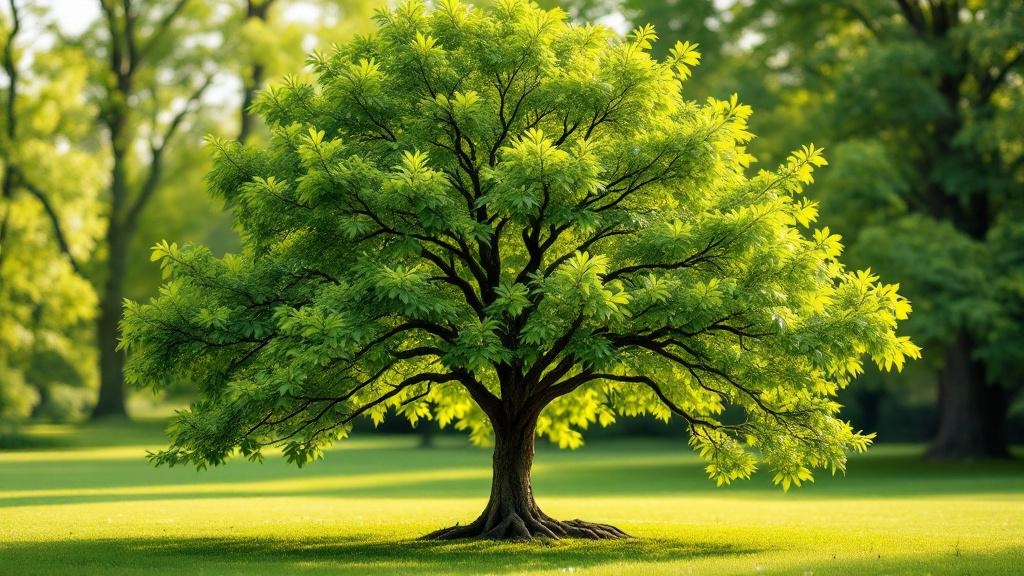
Goat Willow typically reaches 8-10 meters in height and 6-8 meters in width when mature, though it can grow larger in ideal conditions. Growth rate is fast at around 60-90 centimeters per year when young. Regular coppicing or pollarding every 2-3 years keeps trees compact at 2-3 meters for smaller gardens.
Is Goat Willow safe to plant near cats and dogs?
Goat Willow is completely non-toxic to cats, dogs, and other pets. All parts of the tree including leaves, bark, and catkins are safe if accidentally ingested. This makes it an excellent choice for family gardens where pet safety is a concern, unlike many ornamental alternatives.