Sulfur deficiency
📖 Overview
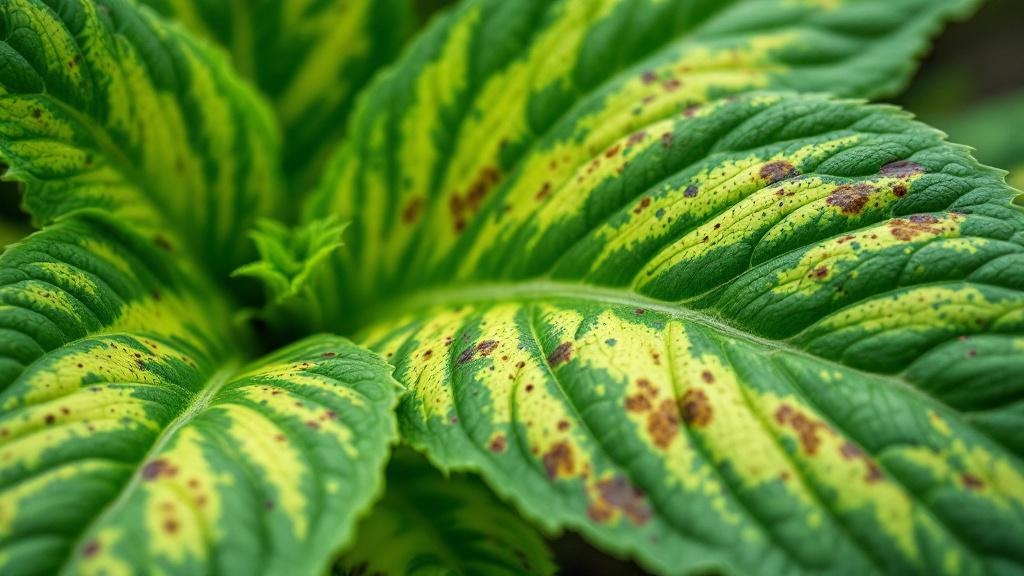
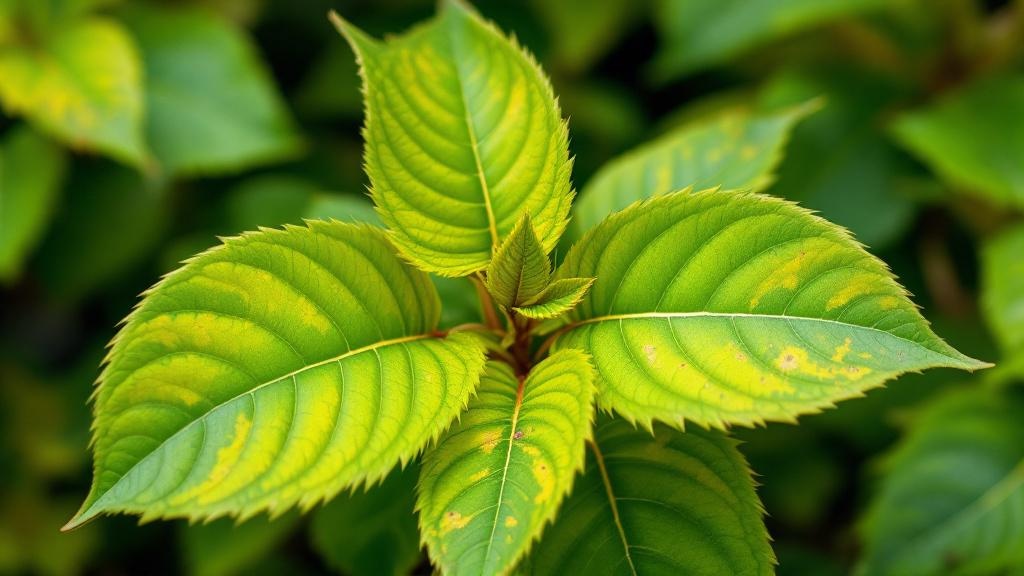
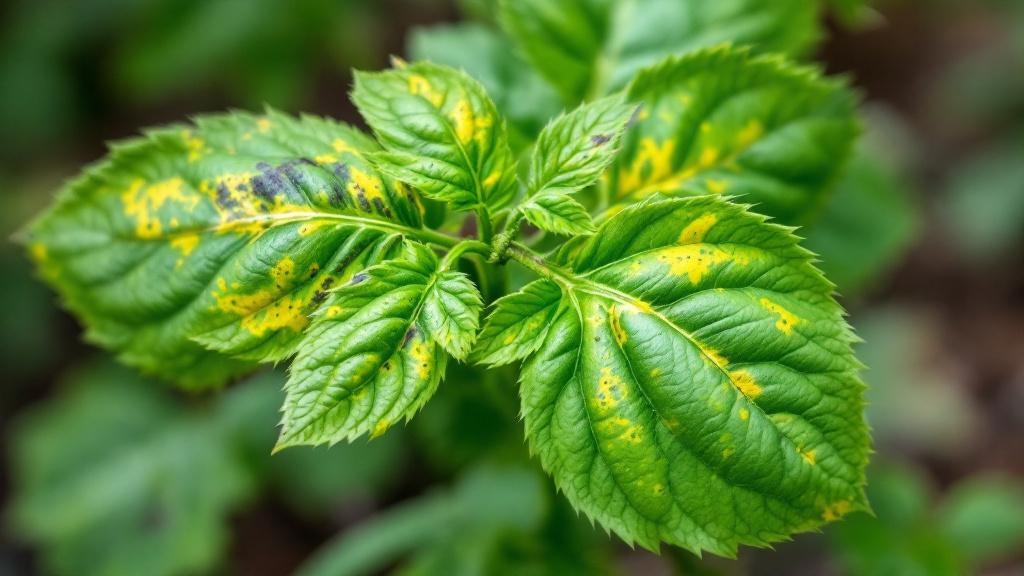
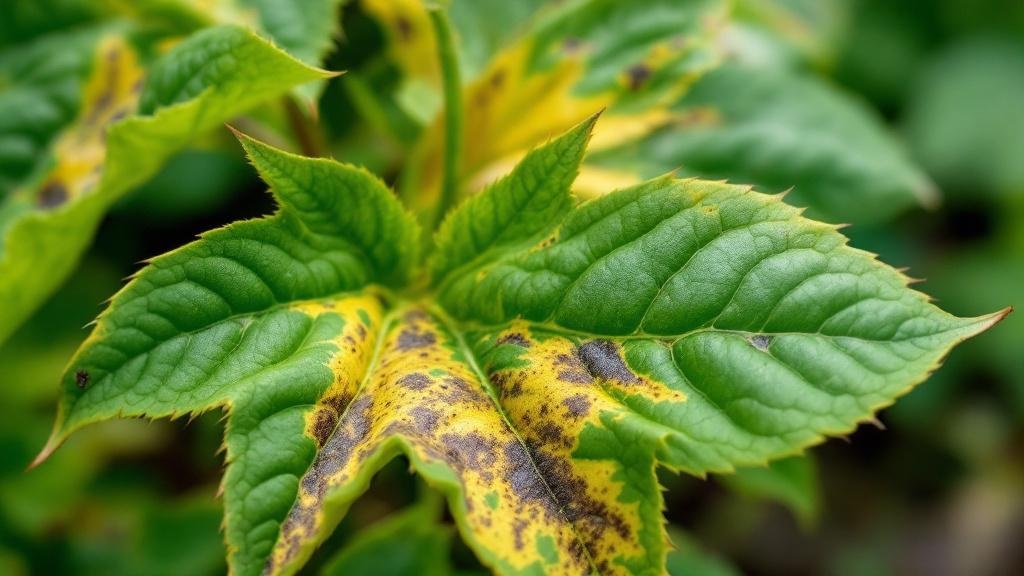
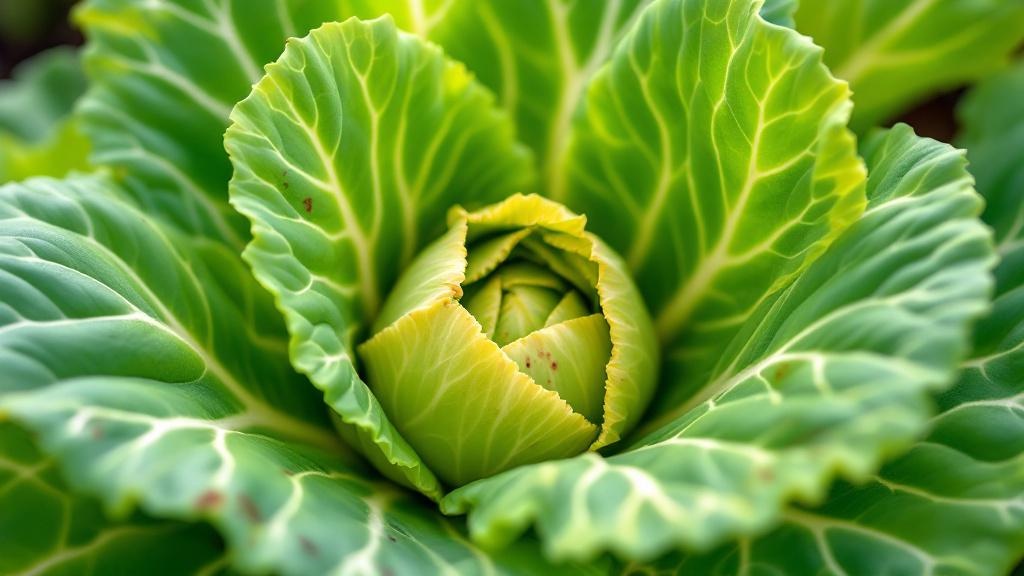
Sulfur deficiency is a nutrient problem that strikes the youngest leaves first, turning them pale yellow while older foliage stays green—this is the opposite of nitrogen hunger, which yellows from the bottom up. The entire leaf blade develops a uniform, soft yellow tone rather than the spotty pattern you'd see with disease or iron deficiency. What makes sulfur deficiency tricky is that it often goes unnoticed at first because it affects only the newest growth; by the time you spot it clearly, the plant may already be struggling.
This deficiency matters most to brassicas like cabbage and broccoli, alliums such as garlic and onions, and corn, where sulfur is essential for building proteins and chlorophyll. A sulfur-starved plant grows slowly, produces smaller yields, and becomes more susceptible to pest pressure. In temperate regions, the problem surfaces most often between May and August, when rapid spring growth has exhausted soil reserves and heavy rain has leached sulfur from sandy or acidic soils. It's also common in gardens with alkaline soil (pH above 7), where sulfur compounds lock up and become unavailable to roots.
The first sign to watch for is pale, uniform yellowing of the leaf veins on brand-new leaves at the top of the plant—quite different from iron chlorosis, where the veins stay green while the spaces between turn yellow. If you're unsure whether you have sulfur or nitrogen deficiency, look at which leaves yellowed first: sulfur hits young leaves; nitrogen hits old ones.
🔍 How to identify
A FIATAL levelek először halványulnak (a nitrogénhiány ellentéte — az idősek!). EGYENLETES halvány-sárga szín, nem foltos. A levél-erezet is sárga (a vasklorózisnál az erezet még zöld!).
🌿 Common host plants
💊 Treatment
Gipsz (kalcium-szulfát) talajba. Komposztált trágya.
Ammónium-szulfát (gyors). Magnézium-szulfát (Epsom-só, kettős hatás Mg-mal).
🛡️ Prevention
A modern műtrágyák jellemzően tartalmaznak ként. Bázikus pH talajban gyakoribb a hiány — pH 6.5 körüli.
Frequently asked questions
How quickly does sulfur deficiency get worse, and when should I act?
Symptoms worsen over 3 to 4 weeks if sulfur remains unavailable. Act as soon as you see uniform yellowing of the newest leaves, because once growth slows dramatically it's harder to recover yields before harvest.
Can I save a plant with sulfur deficiency, or is it too late once I notice it?
Caught early, sulfur deficiency is fully reversible. Apply ammonium sulfate (fastest) or gypsum to the soil around the plant, and new growth should green up within 7 to 10 days; existing yellowed leaves rarely recover color, but new ones will be normal.
What soil conditions make sulfur deficiency more likely?
Alkaline or neutral soils (pH above 6.8) lock up sulfur, as do sandy soils and those heavily leached by rain or over-watering. Having acidic soil (pH 6.0–6.5) and adequate organic matter help prevent it.
Is sulfur deficiency contagious between plants, or is it just a soil problem?
It's purely a soil availability issue, not contagious. If one plant shows it, others in the same bed likely will too because they're sharing depleted soil, but the deficiency itself won't spread plant to plant.
Can I prevent sulfur deficiency by choosing the right fertilizer or compost?
Yes—most modern balanced fertilizers already contain sulfur. Adding well-composted manure or compost yearly improves soil structure and sulfur retention, and maintaining soil pH near 6.5 keeps sulfur available even if levels are moderate.
Not sure what's wrong? Take a photo!
Plantora's AI Plant Doctor identifies the issue from a single photo in seconds and gives you a tailored treatment guide.
Try AI diagnosis (free) →