Cabbage
Cabbage is one of the most reliable vegetables for temperate gardeners, offering fresh harvests in spring and autumn. The main challenge most growers face is preventing cabbage moths and ensuring tight, dense heads through consistent watering and nutrition. With the right timing and protection, you'll have crisp cabbages ready for harvest within 60-90 days.
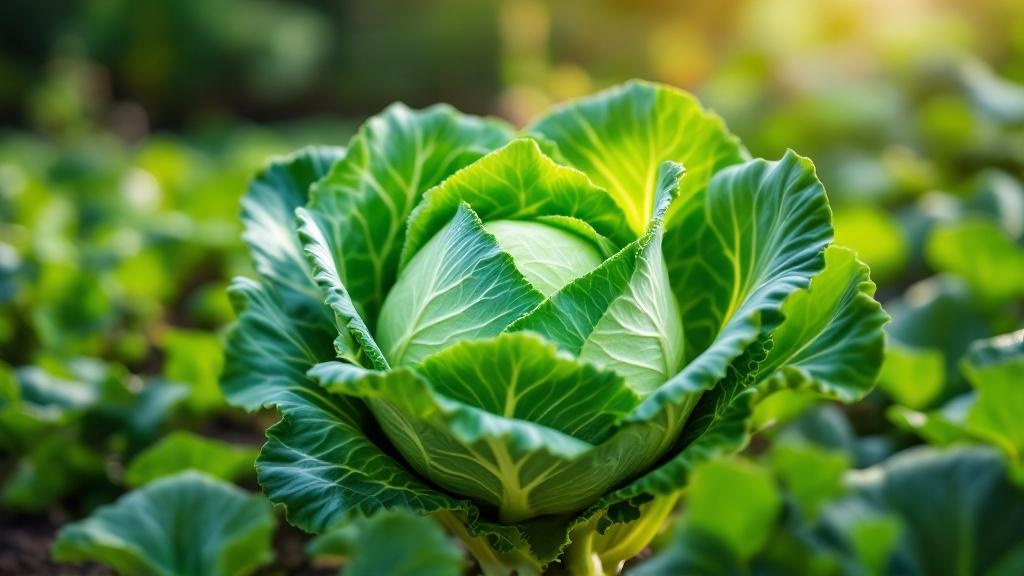
Watering for Tight, Dense Heads
Cabbage needs consistent moisture throughout the growing season to develop firm heads—aim for 1 to 1.5 inches of water per week through rainfall or irrigation. Water deeply at the soil level early in the morning to minimize fungal disease and splitting. Inconsistent watering (wet then dry) causes heads to crack and attracts pests, so mulch around plants with 2-3 inches of straw to retain moisture and regulate temperature.
Light Requirements for Growth
Cabbage is a sun-loving crop that requires at least 6 hours of direct sunlight daily for strong growth and tight head formation. In temperate zones, full sun exposure helps plants mature faster and improves flavor. In very hot summers (above 75°F), afternoon shade can prevent premature bolting, but this is rarely necessary in UK and northern European gardens.
Soil Preparation and Spacing
Prepare beds with rich, well-draining loam amended with compost or aged manure 2-3 weeks before planting. Space plants 15-18 inches apart in rows 24-30 inches apart to allow good air circulation and reduce disease. Cabbage prefers slightly alkaline to neutral soil with a pH of 6.0-7.5; apply agricultural lime if your soil is acidic. Avoid planting brassicas in the same spot yearly to prevent soil-borne diseases.
Temperature and Seasonal Growing
Cabbage thrives in cool weather and tolerates light frost, making it ideal for spring planting (March-April) and autumn planting (July-August) in temperate regions. Seedlings started indoors in February and transplanted after frost danger (late April) give spring harvests by June-July. Autumn sowings directly in July yield harvests from September through November, with some varieties tolerating temperatures to 10°F. Avoid summer planting, as heat promotes bolting and attracts pests.
Feeding for Vigorous Heads
Side-dress plants with a nitrogen-rich fertilizer (like chicken pellets or blood meal) every 3-4 weeks during active growth, or apply a balanced organic feed (5-10-10) at planting and mid-season. Cabbage is a heavy feeder; compost-rich soil reduces the need for additional feeding. Avoid excessive nitrogen late in the season, which can delay maturation and reduce storage quality. Apply fertilizer at soil level to avoid wetting foliage.
Common Problems and Solutions
Cabbage moth larvae are the region's worst pest—cover plants with fine mesh netting from planting through harvest to exclude adult butterflies, or use Bacillus thuringiensis (Bt) spray if infestation occurs. Clubroot fungus causes stunted growth and purple-tinged leaves; prevent it with crop rotation and lime-amended soil above pH 7.0. Powdery mildew appears as white coating in cool, humid weather; improve air circulation and remove affected leaves, or spray with sulfur in early stages.
Frequently asked questions
How often should I water cabbage?
Water cabbage deeply 1 to 1.5 inches per week, keeping soil consistently moist but not waterlogged. Early morning watering at the soil level minimizes disease and splitting. Mulch with straw to regulate moisture and reduce watering frequency.
When do I plant cabbage in temperate climate?
Plant spring cabbage indoors in February for transplanting in late April after frost danger, harvesting June-July. For autumn crops, sow directly outdoors in mid-July for September-November harvests. Avoid summer planting, which causes bolting and pest pressure.
How do I prevent cabbage moths?
Cover plants with fine mesh netting from transplanting until harvest to exclude adult butterflies. If moths have already laid eggs, use Bacillus thuringiensis (Bt) spray every 7-10 days, or hand-pick visible caterpillars daily from leaf undersides.
Why is my cabbage head small and loose?
Loose heads usually result from inconsistent watering, overcrowding, or nitrogen deficiency. Ensure plants are spaced 15-18 inches apart, watered evenly, and fertilized every 3-4 weeks. Early summer planting or extreme heat may also prevent tight head formation.
What is clubroot and how do I treat it?
Clubroot is a soil fungus causing stunted growth and purple-tinged lower leaves; there is no cure, only prevention. Rotate brassicas to a new bed yearly, add agricultural lime to raise pH above 7.0, and remove infected plants immediately to prevent spread.
🩺 Common diseases and pests
These problems commonly affect this plant. Click any to see full symptom descriptions, organic and chemical treatment, and prevention.