Snails and slugs
📖 Overview
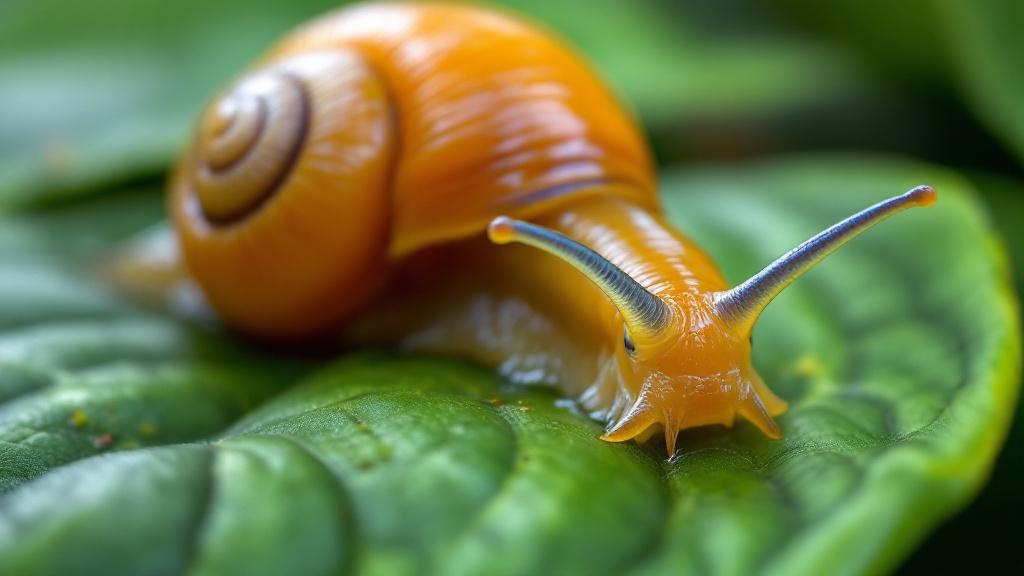
Slugs and snails are soft-bodied mollusks that chew irregular, ragged holes in leaves starting from the edges and working inward, leaving a telltale silvery slime trail as they move. Unlike insects with chewing mouthparts that often create round holes or skeletonized patterns, slug and snail damage is unmistakably jagged and marginal. These garden pests are most damaging to tender plants like hostas, lettuce, strawberries, and young seedlings, where a single night of feeding can leave a plant severely weakened or unmarketable. The real danger strikes in late spring through early autumn (May through September in temperate zones), with peak activity in June and July when moisture is abundant and temperatures are mild.
You'll first notice the problem not by seeing the creatures themselves—they're strictly nocturnal—but by spotting those irregular, chewed leaf margins and silvery mucus trails on soil or plant stems in the early morning. Slugs are shell-less and leave broader slime tracks, while snails carry visible spiral shells. The distinction matters little for control, since both respond to the same management tactics. What sets them apart from other leaf damage is the complete absence of any geometrical pattern and the presence of that diagnostic slime, which is your smoking gun that gastropods, not caterpillars or beetles, are at work. On young seedlings or lettuce, a single night's feeding by several slugs can destroy an entire row, making early detection and swift action crucial during the prime season.
🔍 How to identify
Szabálytalan, rágott "lyukak" a levelekben (szegélytől befelé, nem körkörös). Ezüstös nyálcsíkok éjjel. Maga az állat éjszaka aktív.
🌿 Common host plants
💊 Treatment
Sörrel csalogatás (sörös csapda). Hamu, kávézacc, tojáshéj sávok. Vasfoszfát (Ferramol) granulátum — kutyára/macskára nem veszélyes.
Metaldehid (Mesurol, Slug-Out) — kutyára/macskára MÉRGEZŐ.
🛡️ Prevention
Esti öntözés helyett reggeli. Mulcsozás száraz anyaggal (szalma). Sünkertek kedvezőek.
Frequently asked questions
How can I tell if slugs and snails are active in my garden right now?
Check your plants in early morning (just after sunrise) for silvery slime trails on leaves, stems, and soil, and look for fresh irregular holes in foliage. A simple test is to place a flat board or wet burlap on the soil near affected plants overnight—slugs and snails shelter underneath and you'll see them immediately when you lift it at dawn.
What's the safest organic option if I have young kids and pets?
Iron phosphate granules (Ferramol-type products) are completely safe for pets and children—they work by disrupting the slug's digestive system and are non-toxic to mammals. Barriers of crushed eggshells, coffee grounds, or wood ash create physical deterrents, though these need reapplication after rain. Beer traps (sunk shallow containers filled with beer) are also pet-safe if placed where pets cannot drink from them.
Does the damage stop if I switch to morning watering instead of evening?
Yes, shifting from evening to early-morning irrigation significantly reduces activity because slugs and snails need wet surfaces to move and feed. Watering before dawn leaves foliage dry by dusk when they emerge, forcing them to expend energy crossing drier ground and reducing feeding damage by 40-60 percent. It's one of the simplest, cheapest preventive steps you can take.
Can an infected hostas or seedling be saved, or should I destroy it?
Minor damage (a few ragged holes on a mature plant) is purely cosmetic and the plant will recover completely in 2-3 weeks as new leaves grow. Heavily damaged seedlings or young transplants are often not worth saving because the energy diverted to healing slows establishment; it's faster to replant. For valuable mature specimens, combine iron phosphate treatment, barrier mulch, and nightly hand-removal to halt further damage.
Will slugs and snails overwinter in my garden and come back next year?
Absolutely—they overwinter as adults or eggs in leaf litter, under mulch, and in soil crevices, emerging in spring as soon as soil temperatures reach 50°F (10°C). Removing dead leaves, prunings, and dense mulch piles in autumn reduces overwintering habitat significantly. In temperate zones, expect the first outbreak by May, with the heaviest pressure in June through July.
Not sure what's wrong? Take a photo!
Plantora's AI Plant Doctor identifies the issue from a single photo in seconds and gives you a tailored treatment guide.
Try AI diagnosis (free) →