Virginia Creeper
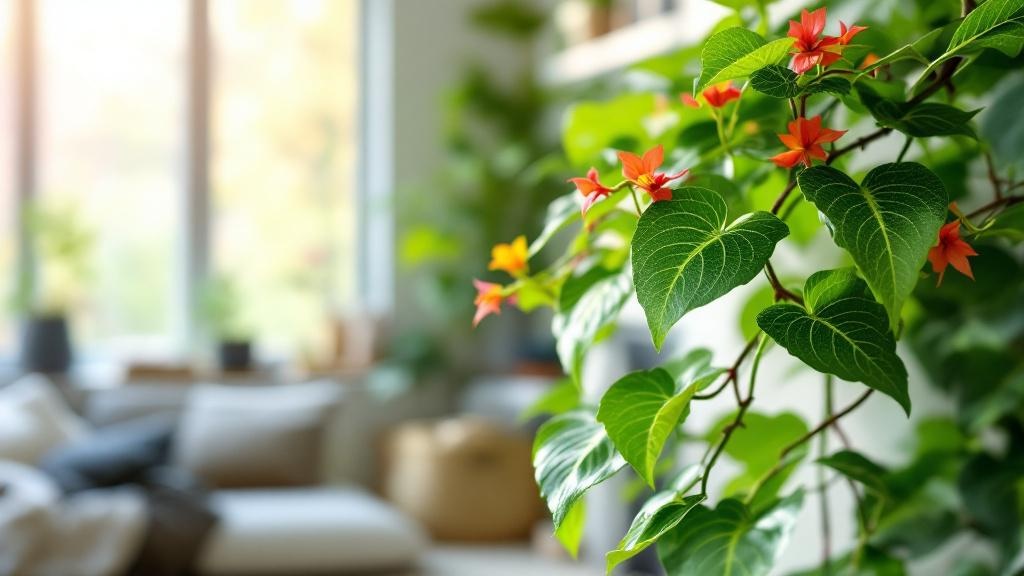
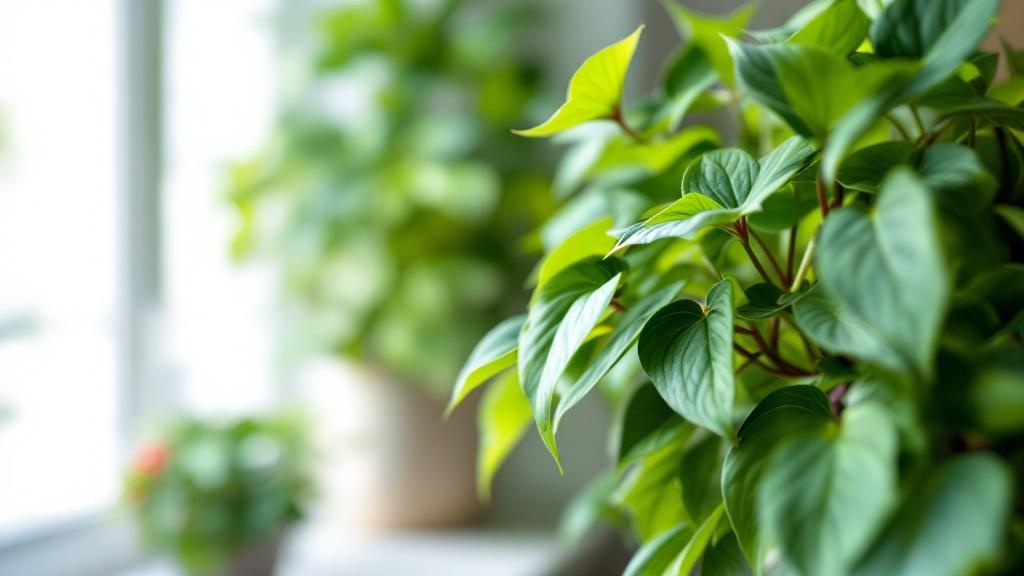
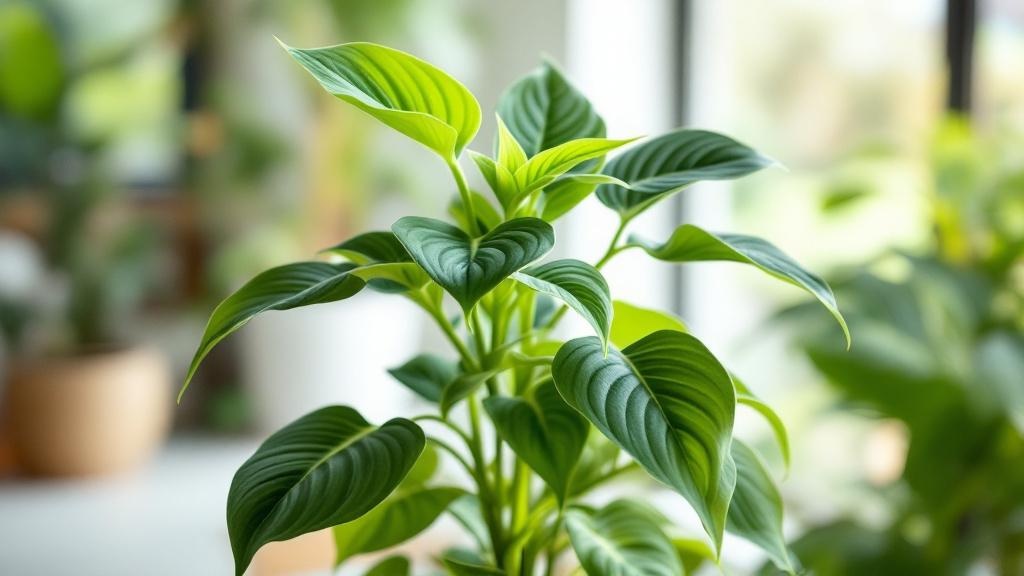
Virginia creeper (Parthenocissus quinquefolia) is one of the most reliable and rewarding climbing vines for temperate gardens, thriving across USDA zones 3-9. Its five-leaflet foliage turns brilliant crimson-red in autumn, making it a natural choice for wildlife-friendly gardens and structural coverage. The most common question gardeners ask: how do I encourage dense growth and prevent it from becoming woody and bare at the base?
Watering Virginia Creeper
Virginia creeper is surprisingly drought-tolerant once established, but young plants need consistent moisture during their first growing season. Water deeply every 7-10 days during spring and summer, reducing frequency in autumn as growth slows. In winter, established vines need little to no supplemental watering unless conditions are unusually dry. Always check the top 2 cm of soil before watering—if it feels moist, wait another day or two.
Light Requirements for Virginia Creeper
Virginia creeper performs best in full sun (6+ hours daily) where it develops the most intense autumn colour and densest foliage coverage. It tolerates partial shade but may grow more slowly and produce less vibrant red leaves in autumn. Avoid deeply shaded locations, as growth becomes thin and sparse. North-facing walls are acceptable in warm regions, but south or west-facing sites maximise flowering and colour.
Soil and Repotting Virginia Creeper
Plant Virginia creeper in well-draining soil enriched with compost or aged manure—it adapts to most soil types but prefers slightly acidic to neutral pH (6.0-7.0). Once established, it needs little feeding or amendment. For container-grown specimens (temporary or for patios), use a rich potting mix and move to larger pots every 2-3 years in early spring. Ensure drainage holes are clear to prevent waterlogging.
Temperature and Humidity for Virginia Creeper
Virginia creeper is fully hardy in temperate zones and thrives in temperatures between -15°C and 25°C, requiring no winter protection. High humidity is not necessary, but the vine appreciates consistent moisture during the growing season. In late spring and early summer, mist young plants occasionally if conditions are very dry to encourage establishment. Humidity naturally increases as the plant matures and provides its own microclimate.
Fertilizing Virginia Creeper
Virginia creeper is not a heavy feeder and often requires no fertiliser in established garden soil rich in organic matter. For young plants or those in poor soil, apply balanced fertiliser (NPK 10-10-10) once in late March and again in June. Avoid high-nitrogen feeds, which encourage lush leaf growth at the expense of flowering and autumn colour. Established vines benefit most from an annual autumn mulch of compost, which gradually releases nutrients.
Common Problems and Solutions
Mildew and powdery fungus can appear in humid, poorly ventilated areas—improve air circulation and remove affected leaves, or use sulphur-based fungicide in late August. Spider mites and scale insects occasionally infest stressed plants in hot, dry conditions; spray with neem oil in June or July if detected. Bare or sparse growth at the base usually indicates insufficient light or neglect during establishment; ensure young plants receive 6+ hours of direct sun and consistent watering in their first season.
Frequently asked questions
How often should I water Virginia creeper?
Water deeply every 7-10 days during the growing season (spring and summer), then reduce frequency in autumn and winter. Once established, Virginia creeper is drought-tolerant and rarely needs watering unless conditions are unusually dry for more than 4 weeks.
Why is my Virginia creeper not turning red in autumn?
Insufficient sunlight is the main reason—Virginia creeper needs at least 6 hours of direct sun daily to develop vivid autumn colour. Cool autumn temperatures (below 15°C) also trigger the red pigmentation, so early frosts in September help intensify the display.
Can Virginia creeper damage walls or fences?
Virginia creeper climbs using adhesive discs on the tips of tendrils that attach directly to surfaces without damaging sound brick or stone. However, it can clog gutters and infiltrate cracks in deteriorating mortar, so avoid planting near weak or friable surfaces. Regular pruning around gutters and downpipes prevents blockages.
When should I prune Virginia creeper?
Prune Virginia creeper in late autumn (November-December) or early spring (February-March) to remove dead wood, control spread, and shape the plant. Light tidying can be done anytime during the growing season, but avoid heavy pruning in summer as it reduces autumn colour development.
Is Virginia creeper invasive or toxic to pets?
Virginia creeper is non-toxic to cats, dogs, and humans, making it safe for family gardens. It is vigorous and self-seeding but not considered invasive in temperate climates when managed with annual pruning; seedlings are easily removed.
🩺 Common diseases and pests
These problems commonly affect this plant. Click any to see full symptom descriptions, organic and chemical treatment, and prevention.