Passion Flower
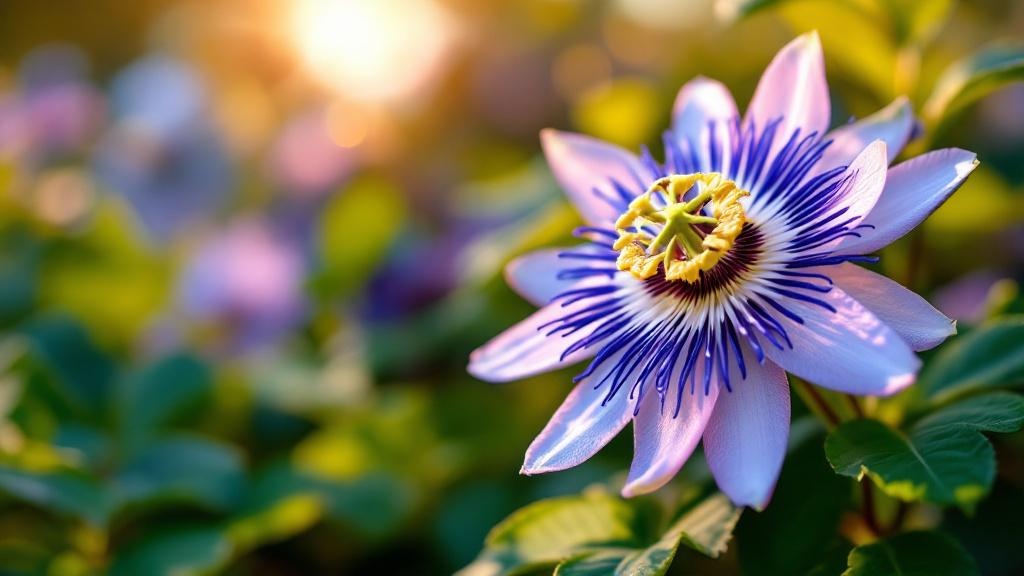
Passion flower (Passiflora caerulea) is prized by gardeners for its spectacular exotic blooms that appear midsummer through early autumn. The intricate corona of blue, white, and purple filaments is instantly recognizable. In temperate climates (USDA zones 5-8), most gardeners wonder how to overwinter this tender vine and whether it needs a trellis or support structure.
Watering Passion Flower
Water passion flower thoroughly every 7-10 days during spring and summer when soil surface feels dry. In autumn, reduce frequency to every 10-14 days as growth slows. During winter dormancy (November-February in temperate regions), water sparingly—only when soil is noticeably dry. Overwatering is the primary killer; ensure pots have drainage holes and empty saucers after watering to prevent root rot.
Light Requirements for Passiflora
Passion flower thrives in bright, indirect light but tolerates full sun (6-8 hours daily produces more flowers). Indoors, place near south or west-facing windows in temperate climates. If light is insufficient in winter, consider supplemental grow lights to prevent leaf drop. Outdoor plants benefit from afternoon shade in the hottest parts of summer to prevent scorching.
Soil and Repotting
Use a well-draining potting mix rich in organic matter—equal parts peat-free compost, perlite, and coir works well. Repot every 2-3 years in late March (early spring in your region) into a container only 2-3cm larger. Passion flower prefers being slightly rootbound, which can encourage flowering. Ensure drainage holes are clear and consider adding a layer of broken crockery at the pot base.
Temperature and Humidity
Passion flower prefers temperatures between 15-25°C and tolerates outdoor growing in USDA zones 6-8. In zone 5, grow in containers and move indoors before October frosts. It tolerates low humidity but appreciates misting 2-3 times weekly in hot summers to deter spider mites. Ensure good air circulation to prevent fungal issues, especially during damp autumn months.
Feeding Your Passion Flower
Apply balanced liquid fertilizer (20-20-20) every 2 weeks from April through August during active growth. Switch to a lower-nitrogen formulation (10-20-20) in August-September to encourage flowering. Reduce feeding to once monthly in autumn, then cease entirely during winter dormancy. Overfertilizing promotes leafy growth at the expense of blooms.
Common Problems and Solutions
Yellowing leaves often indicate overwatering or poor drainage—reduce frequency and repot if necessary. Spider mites thrive in dry indoor conditions (watch for fine webbing and stippled leaves); increase humidity and spray with neem oil every 5-7 days if needed. Failure to flower usually stems from insufficient light or excess nitrogen fertilizer; ensure 6+ hours of direct sun and switch to phosphorus-rich feed in late summer. Powdery mildew can appear in damp autumn conditions; improve air circulation and apply sulfur-based fungicide if affected.
Frequently asked questions
How often should I water passion flower?
Water every 7-10 days during spring and summer when the top inch of soil is dry, then reduce to every 10-14 days in autumn. In winter, water only when soil is noticeably dry—typically every 2-3 weeks. Overwatering causes root rot, so err on the side of underwatering.
Why is my passion flower not blooming?
Insufficient light is the most common cause; passion flower needs at least 6-8 hours of direct sunlight daily to flower reliably. Excess nitrogen fertilizer, overwatering, or temperatures below 12°C can also prevent blooms. Switch to a phosphorus-rich fertilizer in August and ensure the plant isn't in a dark corner.
Can passion flower survive winter outdoors in temperate climates?
Passiflora caerulea survives winters outdoors in USDA zones 6-8 with mulch protection, though it may lose foliage. In zone 5 and colder regions, grow in pots and move indoors to a cool (5-10°C), bright location from October through March. Prune back by half in late autumn before moving indoors.
Is passion flower toxic to cats or dogs?
No, passion flower is non-toxic to cats, dogs, and other pets. It's completely safe even if leaves are nibbled, though you may lose some foliage and flowering potential.
What's the best way to support a passion flower vine?
Passion flower naturally climbs using tendrils and benefits from a moss pole, trellis, or fence. Provide a sturdy support structure at planting time and tie main stems loosely with soft twine; the plant will wrap tendrils around the support. Outdoors in zones 7-8, it can cover a south-facing fence or pergola.