Black Gold Philodendron
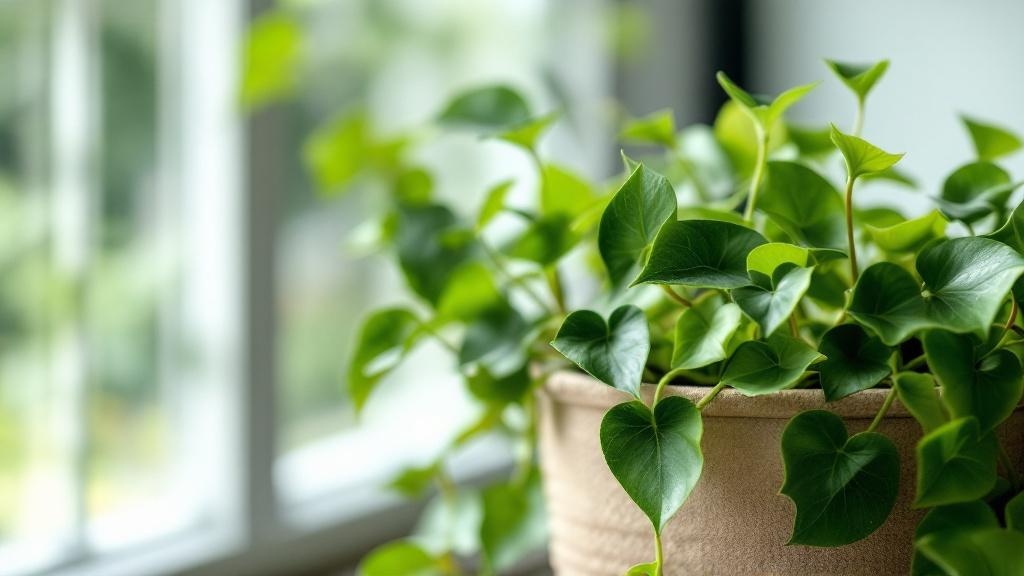
The Black Gold Philodendron, also called the Velvet Philodendron, is a stunning tropical houseplant that rewards attentive growers with dramatic dark foliage and shimmering gold markings. Home gardeners in temperate climates love this plant for its exotic appeal and manageable care requirements. The most common question is how to keep its signature velvety leaves healthy and vibrant without overwatering—a balance that matters in cooler seasons.
Watering Your Black Gold Philodendron
Water every 7-10 days during the growing season (April to September), allowing the top 2 cm of soil to dry slightly between waterings. In autumn and winter, reduce frequency to every 12-14 days as growth slows and evaporation decreases in cooler, temperate homes. Always use room-temperature water and avoid letting the plant sit in standing water, as root rot is a common issue in poorly draining conditions. Check soil moisture with your finger before watering—the plant prefers slightly moist soil but not soggy conditions.
Lighting Conditions
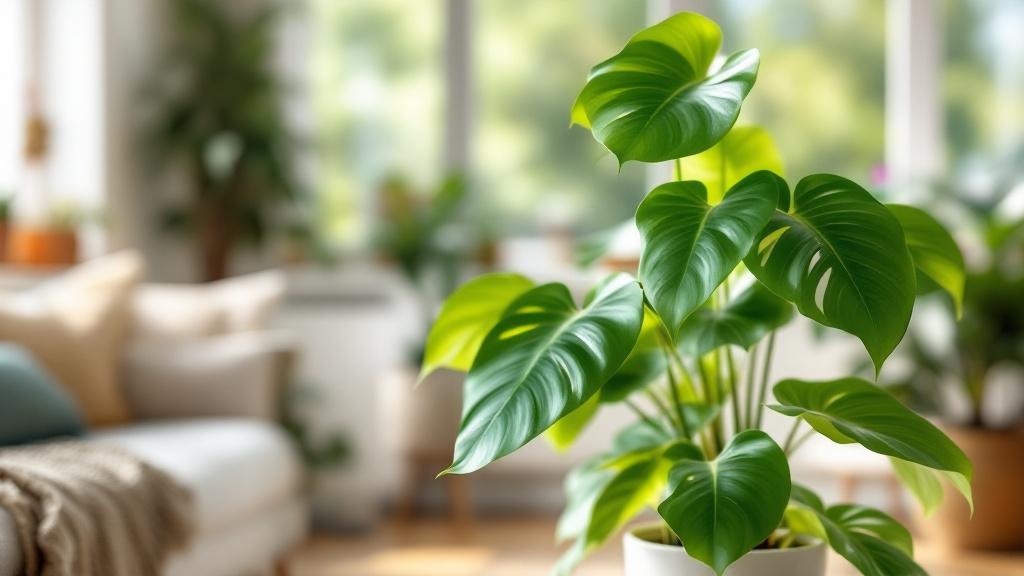
Place your Black Gold Philodendron in bright, indirect light—ideally near an east or west-facing window with a sheer curtain to filter harsh midday rays. Direct summer sun can scorch the delicate velvety foliage and fade the golden veining, while insufficient light will cause slower growth and loss of leaf color intensity. In temperate climates during winter months (November to February), natural light levels are lower, so positioning near a brighter window becomes even more important. If growth stalls or new leaves emerge pale, your plant likely needs more light.
Soil & Repotting Requirements
Use a peat-based or peat alternative potting mix enriched with orchid bark (about 20-30% by volume) to ensure excellent drainage while retaining some moisture. Repot in late spring (May) every 18-24 months or when roots emerge from drainage holes, moving to a pot only 2-3 cm larger than the current one. Black Gold Philodendrons are climbers and appreciate a moss pole or trellis once established, which also improves air circulation and reduces fungal issues common in damp European winters. Ensure the pot has drainage holes and refresh the top 5 cm of soil annually if you're not fully repotting.
Temperature & Humidity
Maintain temperatures between 18 and 26 degrees Celsius; this plant dislikes temperatures below 15 degrees and will suffer if exposed to cold drafts common near north-facing windows in winter. Humidity of 50-70% is ideal—in temperate climates with dry heated homes (October to March), mist the leaves 2-3 times weekly or place the pot on a pebble tray with water to boost ambient humidity. The velvety leaf texture makes the plant susceptible to dust accumulation and fungal spots if humidity is too high without air movement, so gentle air circulation helps. Avoid placing it near heating vents or radiators, as sudden temperature fluctuations damage growth.
Feeding & Fertilizing
Fertilize every 4-6 weeks during the growing season (April to September) using a balanced, diluted liquid fertilizer (NPK ratio 10-10-10 or similar). Switch to a lower-nitrogen formula or stop feeding entirely from October to March when growth naturally slows in cooler temperate conditions. Overfeeding leads to salt buildup in the soil, which causes brown leaf edges—a sign to flush the soil with distilled water. Organic fertilizers or those specifically formulated for foliage plants can enhance the vibrancy of the golden veining.
Common Problems & Solutions
Yellow or brown leaves often indicate overwatering or poor drainage; allow soil to dry slightly and check that drainage holes are clear. Mealybugs and spider mites are frequent indoor pests in temperate climates, especially in winter when dry heating is on—spray affected areas with a 70% isopropyl alcohol solution or insecticidal soap every 7-10 days. Leaf spotting or browning edges can result from low humidity, tap water with high mineral content (use distilled water instead), or fungal issues if the plant is in stagnant air; improve air circulation and reduce misting on foliage.
Frequently asked questions
How often should I water my Black Gold Philodendron?
Water every 7-10 days in summer (April to September) and every 12-14 days in winter, allowing the top 2 cm of soil to dry between waterings. Check soil moisture with your finger before watering to avoid overwatering, which is the most common cause of root rot in temperate-climate homes.
Why are my Black Gold Philodendron leaves yellowing?
Yellowing leaves typically indicate overwatering or poor drainage. Check that your pot has drainage holes, use a well-draining peat-based mix, and let soil dry slightly between waterings. If edges are brown instead, the issue may be low humidity or tap water minerals—try using distilled water and increase humidity with misting.
Can I grow Black Gold Philodendron in low light?
No, this plant needs bright indirect light to maintain its vibrant color and gold veining. In low light, growth slows dramatically and new leaves emerge pale. Place it near an east or west-facing window with filtered light, or use a grow lamp if natural light is limited during winter months.
Is Black Gold Philodendron toxic to cats and dogs?
Yes, it is mildly toxic to cats and dogs. All parts contain calcium oxalate crystals, which cause oral irritation, drooling, and difficulty swallowing if ingested. Keep the plant out of reach of pets and seek veterinary advice if ingestion occurs.
How do I encourage climbing or bushier growth in my Black Gold Philodendron?
Provide a moss pole or trellis for the plant to climb, which also improves air circulation and reduces fungal issues. Prune aerial roots back to a node in spring to encourage branching, and ensure the plant receives bright indirect light and regular feeding during the growing season (April to September).