Lemon Basil
Lemon basil brings a refreshing citrus twist to your herb garden, combining the familiar warmth of sweet basil with bright lemon notes. Native to tropical Asia and Africa, this aromatic annual has become a favorite among home cooks for Southeast Asian dishes, herbal teas, and fresh summer salads. The most common question gardeners ask is when to plant lemon basil outdoors, since this frost-tender herb needs warm soil and reliable temperatures above 10°C to establish successfully.
Watering Your Lemon Basil Correctly
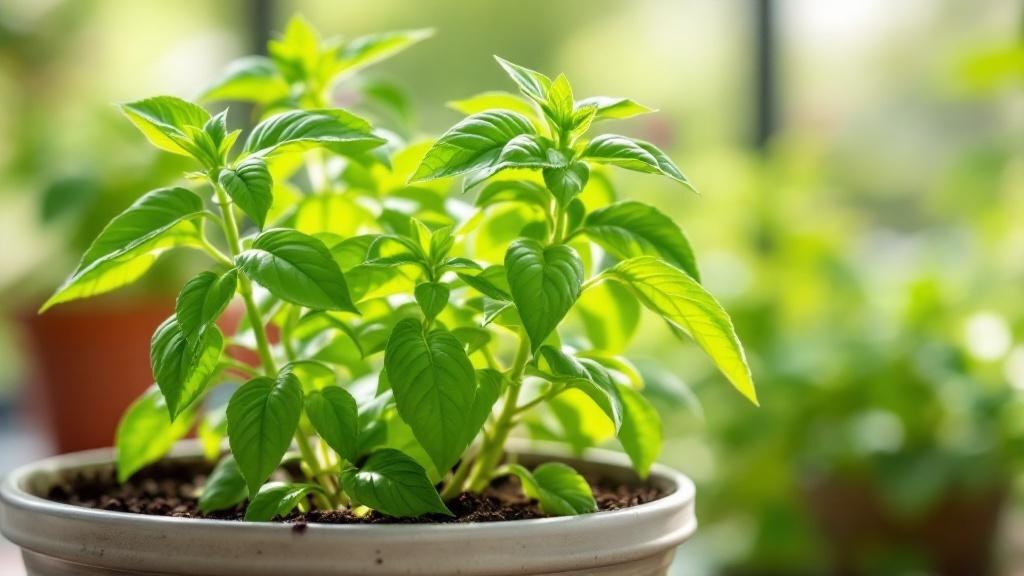
Water lemon basil when the top 2-3 cm of soil feels dry, typically every 2-3 days in summer heat and less frequently in cooler periods. Always water at the base of the plant in the morning to keep foliage dry and prevent fungal issues. Container-grown plants dry out faster than garden beds, so check daily during July and August heatwaves. Consistent moisture promotes lush leaf growth, but soggy roots will cause rapid decline.
Light Requirements for Healthy Growth
Lemon basil needs full sun with at least 6-8 hours of direct sunlight daily for the best flavor and bushiest growth. In the UK and Northern Europe, choose your sunniest south-facing spot or windowsill. Plants grown in partial shade become leggy and produce fewer aromatic oils. If growing indoors through autumn, supplement with a grow light to maintain 10-12 hours of brightness.
Soil and Repotting Essentials
Plant lemon basil in rich, well-draining soil with a pH between 6.0 and 7.0. Mix standard potting compost with perlite or coarse sand for container growing to ensure proper drainage. This annual rarely needs repotting, but if roots emerge from drainage holes, move to a pot 5 cm larger. Refresh garden soil annually with compost before your late May planting.
Temperature and Humidity Preferences
Lemon basil thrives between 18-30°C and will not tolerate frost or temperatures below 10°C. In temperate zones, wait until late May or early June to transplant seedlings outdoors after the last frost date. Bring container plants indoors by mid-September when night temperatures drop. Average household humidity is sufficient, though good air circulation prevents mildew in humid summers.
Fertilizing for Abundant Leaves
Feed lemon basil every 2-3 weeks from June through August with a balanced liquid fertilizer diluted to half strength. Avoid high-nitrogen feeds late in the season, as they encourage soft growth vulnerable to early autumn chills. Container plants benefit from a slow-release granular fertilizer mixed into the soil at planting. Over-fertilizing reduces the concentration of aromatic oils, so less is more for the best flavor.
Common Problems and Solutions
Aphids cluster on tender shoot tips from June onwards; blast them off with water or apply insecticidal soap weekly until controlled. Downy mildew appears as yellowing leaves with grey-purple fuzz underneath during humid summers; remove affected foliage immediately and improve air circulation. Slugs and snails target young seedlings in spring, so protect transplants with copper tape or organic slug pellets during their first two weeks outdoors.
Frequently asked questions
How often should I water lemon basil?
Water lemon basil every 2-3 days when the top few centimeters of soil feel dry. During hot summer weeks, container plants may need daily watering. Always check soil moisture before watering to avoid overwatering, which causes root rot.
Why are my lemon basil leaves turning yellow?
Yellow leaves usually indicate overwatering, nutrient deficiency, or downy mildew infection. Check that your pot drains well and reduce watering frequency if soil stays soggy. If yellowing appears with grey fuzz underneath, remove affected leaves and treat remaining foliage with a copper-based fungicide.
When should I plant lemon basil outside in the UK?
Plant lemon basil outdoors from late May to early June after all frost risk has passed and soil temperatures reach at least 15°C. Start seeds indoors 6-8 weeks earlier on a warm windowsill for transplant-ready seedlings. Hardening off for one week before transplanting reduces shock.
Can I grow lemon basil indoors in winter?
Lemon basil struggles indoors during winter due to low light and short days in temperate climates. You can extend the season through October with grow lights providing 10-12 hours of brightness. For fresh basil year-round, take cuttings in late August to root new plants before the parent declines.
Is lemon basil safe for cats and dogs?
Yes, lemon basil is non-toxic and completely safe around cats and dogs. Unlike some houseplants, all parts of the basil plant are pet-friendly. Your pets may even enjoy nibbling on the leaves, which causes no harm.